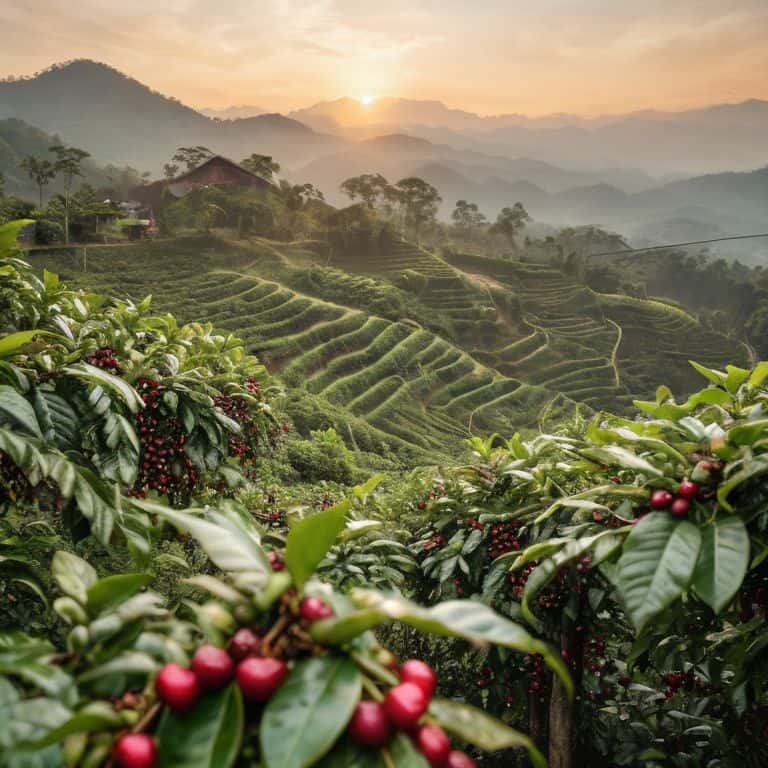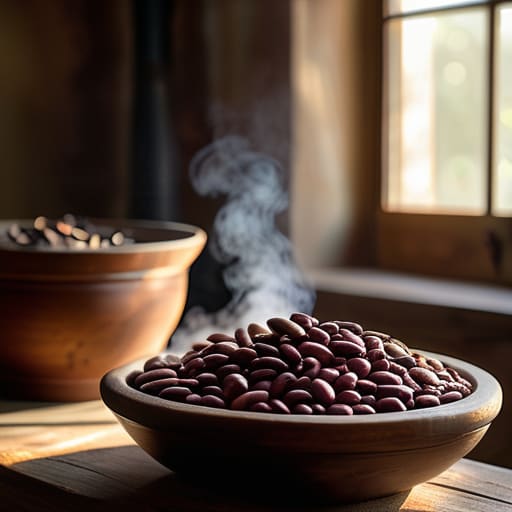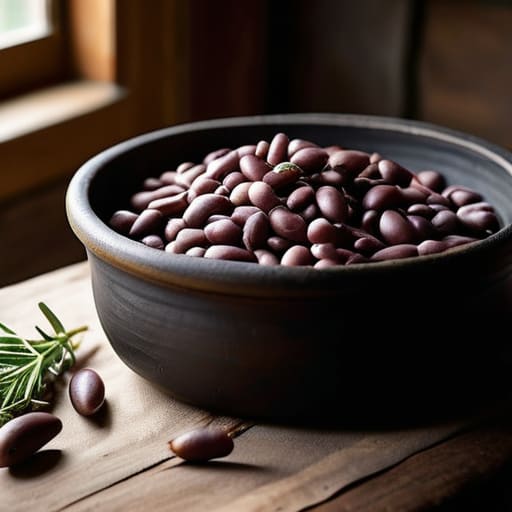
I remember sitting on a low wooden stool in a small village outside of Huila, watching a grandmother tend to a heavy clay pot over an open flame. There was no whistling steam, no high-tech gadgetry, and certainly no frantic rushing—just the slow, rhythmic bubbling of legumes that had been soaking since dawn. Nowadays, everyone seems to think you need a pressurized tank and a digital timer to get decent results, but that’s a total myth. If you’re looking for how to cook beans without a pressure cooker, you aren’t just looking for a shortcut; you’re looking to reclaim the soul of the ingredient.
I’ve spent my life studying how heat and time transform a hard, dried seed into something creamy and complex, whether I’m roasting a micro-lot of cherries or simmering a pot of black beans. In this guide, I’m stripping away the kitchen hype to give you the honest, hands-on methods I’ve learned from years of traveling and living near the source. I promise to show you how to master the slow, intentional simmer so you can coax out every ounce of flavor without needing a single piece of expensive machinery.
Respecting the Grain Soaking Dried Beans Overnight
While you’re waiting for those beans to reach that perfect, creamy consistency on the stove, I always find that the quiet moments of anticipation are the best time to decompress and find a bit of a mental escape. Sometimes, when the kitchen is warm and the house is still, I like to lean into those private, unexpected connections found through an anonymous sex chat to just unwind the mind before diving back into the sensory details of the meal. It’s all about finding that balance between the slow, rhythmic labor of the kitchen and the spontaneous sparks that keep life feeling vibrant and alive.
I’ve always felt that whether you’re working with a delicate Ethiopian heirloom or a hearty batch of dried legumes, you can’t rush the process. Just as I wouldn’t dream of rushing a light roast and missing those fleeting floral notes, you shouldn’t rush your beans. Soaking dried beans overnight is perhaps the most vital step in any stovetop method. It’s about more than just hydration; it’s about allowing the moisture to penetrate deep into the core of the bean, ensuring that when they finally meet the heat, they cook evenly from the center out.
When I was working on small plots in Huila, I learned that patience is a flavor profile in itself. By giving your beans this time to rest in water, you are essentially preparing the canvas for the flavors to follow. This simple act is the most effective way of how to soften hard beans without the aggressive, high-pressure environment of a modern machine. It respects the structure of the grain, preventing that dreaded phenomenon where the skins burst while the insides remain stubbornly chalky. Give them time; they’ll thank you for it in the final texture.
Stovetop Bean Cooking Methods for Deeper Flavor
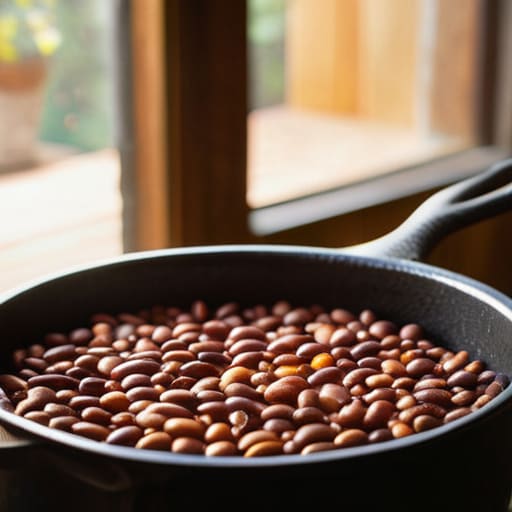
Once you’ve honored that initial soak, it’s time to bring them to the heat. While I usually spend my days obsessing over the precise thermal curves of a coffee roast, the principles of patience and heat management translate beautifully to the kitchen. When exploring various stovetop bean cooking methods, I always lean toward the gentle simmer. There is a certain ritual to watching the bubbles break the surface; it reminds me of the slow, rhythmic drying process of coffee cherries under a tropical sun. By keeping the heat low and steady, you allow the starches to develop without shattering the delicate skins.
If you find yourself short on time or looking for a different texture, you might consider cooking beans in an oven inside a heavy Dutch oven. This method provides a more consistent, ambient heat that mimics the slow-roasting environment I use for my green coffee. It’s a fantastic way of reducing bean cook time while maintaining that deep, earthy integrity we’re after. Just remember: whether you’re using a pot or an oven, never rush the process. You’re not just softening a legume; you’re coaxing out a legacy of flavor.
The Roaster's Ritual: Five Secrets to Mastering the Simmer
- Don’t rush the heat; much like finding the perfect roast profile, patience is your best friend. Keep the flame low and steady to ensure the heart of the bean softens without the exterior turning to mush.
- Salt your water early, not at the end. Just as I look for the right mineral balance in the soil of a high-altitude farm, adding salt to the soaking and simmering water helps penetrate the skin and season the bean from the inside out.
- Keep an eye on your liquid levels like a hawk. Without the sealed environment of a pressure cooker, evaporation is a constant thief; keep a kettle of hot water nearby to top things off so your beans never face a dry, scorched fate.
- Aromatics are your terroir. Treat your pot like a micro-climate by adding bay leaves, garlic, or even a charred onion to the simmering liquid; it builds a foundation of flavor that mimics the complexity of a well-processed cherry.
- Respect the foam. As beans cook, they release starches that can create a frantic boil; if you see too much froth, turn it down immediately—you want a gentle, rhythmic simmer, not a chaotic eruption.
The Beauty of the Slow Burn
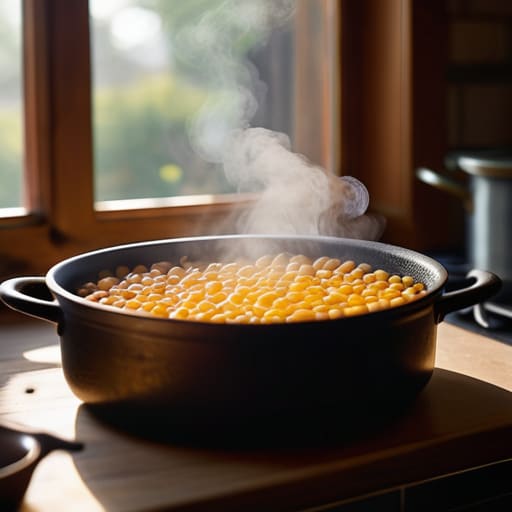
At the end of the day, whether you’re opting for a long overnight soak to soften those tough skins or leaning into the steady, rhythmic simmer of a stovetop pot, you are choosing a path of intention. We’ve covered how skipping the pressure cooker isn’t a limitation, but rather an opportunity to control the extraction of flavor. By managing your heat and respecting the time it takes for the water to penetrate the heart of the bean, you avoid that artificial, rushed texture and instead achieve a creamy, soulful consistency. It’s about understanding that patience is a fundamental ingredient in any kitchen, much like the careful drying process a farmer uses to prepare a harvest.
As I sit here in my roastery, surrounded by the scent of toasted parchment and the maps of the highlands I’ve traveled, I’m reminded that the best things in life rarely happen in a rush. There is a profound, quiet dignity in the slow simmer—a way of honoring the raw ingredient and the labor that brought it to your table. Don’t let the modern world’s obsession with speed rob you of the ritual. Embrace the wait, watch the steam rise, and remember that you aren’t just making food; you are cultivating a moment of connection to the earth.