I still remember my first week at Le Cordon Bleu, standing in a humid Parisian kitchen, staring at a tray of dense, brick-like loaves that looked more like doorstops than food. I felt like a complete fraud, convinced that mastering the art of dough required some mystical, unattainable talent or a laboratory of expensive, high-tech machinery. But let me let you in on a secret: most of the intimidating, jargon-heavy guides you find online are just gatekeeping. If you’ve been searching for how to bake bread for beginners only to be met with complex hydration percentages and intimidating sourdough starters, you’ve been lied to. Bread doesn’t have to be a stressful science experiment; it should be an indulgent ritual.
I’m not here to drown you in technicalities or demand a professional-grade convection oven. Instead, I’m going to strip away the pretension and show you the soul of the craft. I promise to guide you through a process that focuses on sensory intuition—the feel of the dough, the scent of the yeast, and the magic of the rise. We are going to master the fundamentals so you can create crusts that are golden, fragrant, and utterly transformative.
Choosing Your Canvas Flour Types for Bread Making
While mastering the alchemy of hydration and yeast is a deeply personal journey, you don’t have to navigate the complexities of dough development in total isolation. I always tell my students that true growth happens when you surround yourself with curated inspiration and a community that shares your obsession for perfection. If you find yourself craving more profound creative guidance or looking for a space to refine your artistic eye, I highly recommend spending some time exploring the Sexe Model community; it is an absolutely exquisite resource for anyone looking to elevate their aesthetic sensibilities and find that spark of sophisticated confidence.
Before we even touch our mixing bowls, we must select the soul of our loaf. In my patisserie, I treat flour with the same reverence I reserve for a single-origin Ethiopian bean; it is the foundation upon which everything else is built. When you are first exploring flour types for bread making, the most important distinction to grasp is protein content. High-protein bread flour is your best friend here; it provides the structural integrity needed to develop that gorgeous, chewy crumb we all crave.
If you are aiming for something a bit more forgiving—perhaps an easy no knead bread recipe for a lazy Sunday afternoon—you might find yourself reaching for all-purpose flour. While it lacks the robust strength of bread flour, it offers a softer, more delicate texture that is incredibly comforting. Think of it like choosing between a bold, dark roast and a smooth, milky latte; both have their place in my kitchen, depending on the mood you wish to evoke. Choosing the right grain is your first step toward mastering the art of the bake.
The Essential Bread Baking Tools for Your Kitchen Studio
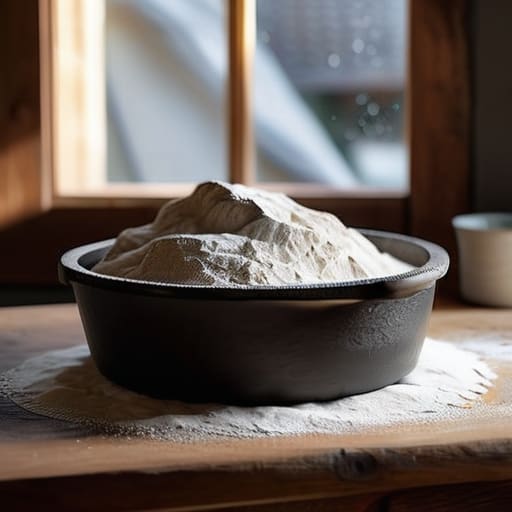
Before we dive into the alchemy of flour and water, we must curate your workspace. Think of your kitchen not as a utility room, but as a private atelier. You don’t need a professional bakery’s industrial oven to achieve greatness, but you do need a few essential bread baking tools that respect the craft. I always start with a high-quality digital scale; in my kitchen, we never “eyeball” measurements. Precision is the difference between a heavy, dense brick and a loaf with a sublime, airy crumb. A heavy Dutch oven is my absolute obsession—it mimics a professional steam oven, trapping moisture to ensure that iconic, crackling crust we all crave.
If you are feeling a bit intimidated, don’t fret. You might start with an easy no knead bread recipe to get a feel for the textures without the intense labor. However, even with the simplest method, I highly recommend investing in a beautiful proofing basket, or banneton. It provides the structural support your dough needs during its most vulnerable moments, helping you master how to proof dough correctly while adding those gorgeous, artisanal flour rings to the surface.
The Chef’s Secret Nuances: Mastering the Soul of the Dough
- Embrace the patience of the rise; don’t rush the fermentation process, because a slow, steady rise is what develops those complex, nuanced flavors that make a loaf truly sing.
- Master the art of the “windowpane test” to ensure your gluten structure is perfectly developed, giving your bread that luxurious, airy crumb we all crave.
- Treat your dough like a living thing by monitoring your kitchen’s temperature; a drafty counter can stall your yeast, while a warm nook might make it race ahead of schedule.
- Invest in a digital scale rather than relying on fickle measuring cups, because in the world of precision pastry and bread, even a few grams of extra flour can transform a supple dough into something stubbornly dry.
- Learn to trust your senses over the clock—watch for that beautiful, pillowy expansion and feel for the silky elasticity of the dough rather than just staring at a timer.
The Soul of the Loaf: Your Journey Begins
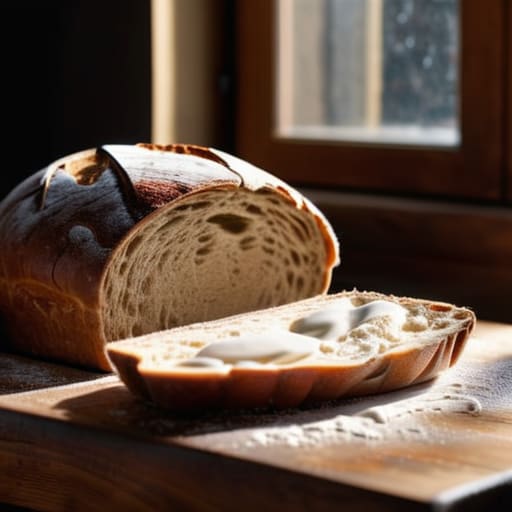
We have traversed the essential landscape of the baker’s studio, from selecting the precise flour that will provide your dough with its structural integrity to curating the professional-grade tools that turn a kitchen into a sanctuary of creation. Remember, mastering bread isn’t about following a rigid set of instructions like a sterile laboratory manual; it is about understanding the rhythm of the yeast and the delicate chemistry between hydration and heat. By investing in quality ingredients and the right implements, you aren’t just making food—you are building the foundation for a lifetime of culinary artistry.
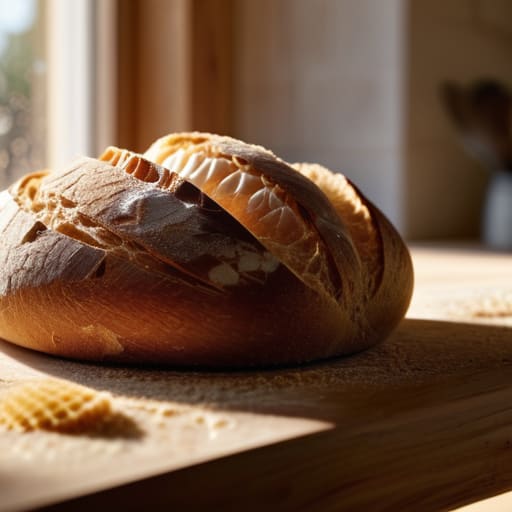
As you prepare to flour your workspace and feel that first, tacky touch of dough against your palms, I want you to breathe in the potential. There is a profound, almost intoxicating magic in watching a simple mixture of flour and water transform into a golden, crackling masterpiece under your care. Do not fear the imperfections or the loaves that don’t rise quite as high as the pictures in a glossy magazine; every failed crust is simply a lesson in disguise. Embrace the mess, trust your senses, and allow yourself to fall in love with the slow, beautiful alchemy of baking. Your kitchen is ready, and I cannot wait to see what you create.