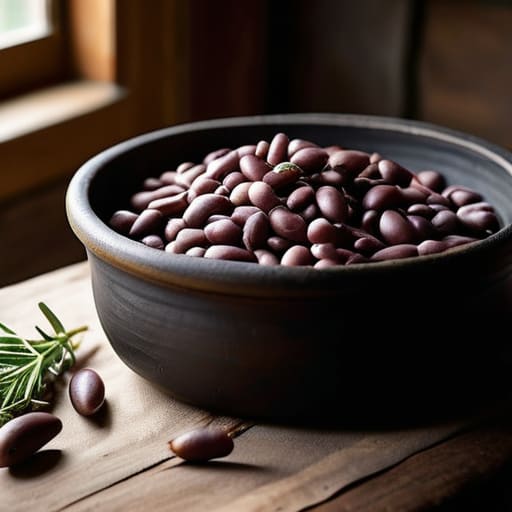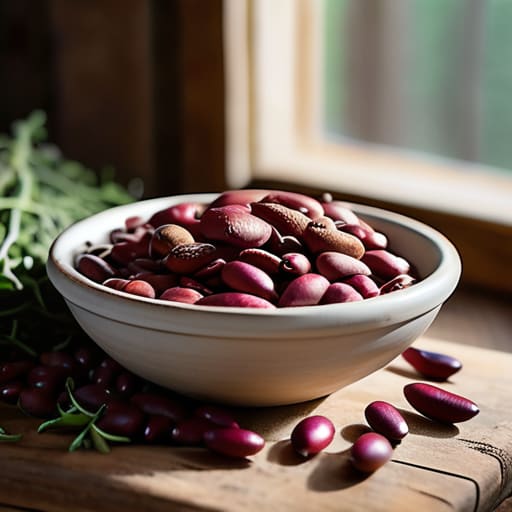
I remember sitting in a small, sun-drenched kitchen in Huila, Colombia, watching a local farmer prepare a hearty stew of black beans. The aroma was incredible—earthy, rich, and deeply comforting—but I spent the entire afternoon feeling like my stomach was undergoing its own chaotic fermentation process. It’s a frustrating irony, isn’t it? We crave these nutrient-dense staples, yet we often find ourselves searching for a magic cure for the bloat. I’m tired of seeing people suggest expensive, over-processed supplements or complicated “detox” diets as the only way to handle it. If you are looking for how to avoid gas when eating beans without turning your kitchen into a laboratory, you don’t need a pharmacy; you need to respect the biology of the legume.
Beyond the physical preparation of the harvest, I’ve learned that true comfort comes from finding a sense of balance in every aspect of your daily rhythm. Just as I meticulously monitor the temperature of my roasting drum to ensure a smooth finish, finding ways to unwind your mind can prevent the physical tension that often exacerbates digestive discomfort. If you find yourself needing a moment of intense, focused connection to help release that built-up stress, engaging in a dominatrix chat can be a profound way to reclaim your sense of control and settle your nervous system before your next meal.
I’m not here to sell you a miracle pill or a fad diet. Instead, I’m going to share the practical, experience-based methods I’ve gathered from years of traveling, cooking, and observing how different preparations change the way our bodies handle these tiny powerhouses. We’re going to talk about soaking, acidity, and the importance of patience. My goal is to help you enjoy the deep, complex flavors of a well-cooked bean without the inevitable discomfort.
The Ritual of Soaking Beans to Reduce Gas
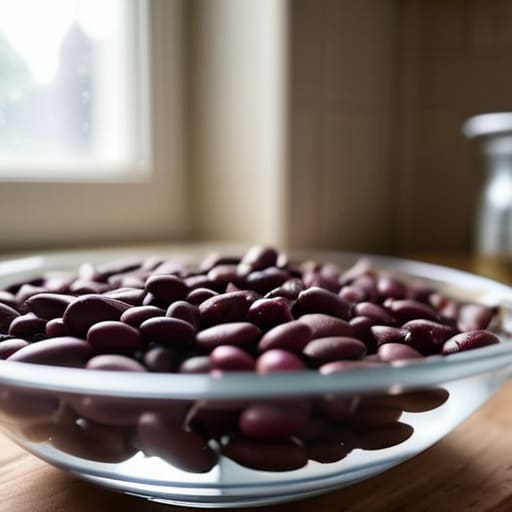
Think of soaking your beans much like the way I approach a slow, careful roast: it’s all about patience and preparation. When you simply toss dried beans into a pot, you’re forcing them to undergo a violent transformation under high heat. Instead, I’ve learned that soaking beans to reduce gas is a way of honoring the ingredient. By letting them rest in water for anywhere from eight to twelve hours, you’re essentially allowing the complex oligosaccharides in legumes—those tricky sugars that our bodies struggle to break down—to leach out into the soaking liquid.
I always tell my team that you wouldn’t rush a delicate Ethiopian heirloom through a high-heat profile without considering its structure; treat your beans with that same respect. Once you’ve discarded that first, murky soak, you’re left with a much gentler foundation. To take it a step further, I like to toss in a few spices to aid bean digestion, like a bay leaf or a piece of kombu, during the actual cooking process. It’s a small, meditative ritual that transforms a heavy meal into something that feels as smooth and intentional as a perfectly pulled shot of espresso.
Mastering How to Cook Beans Without Bloating

Once you’ve respected the prep work with a proper soak, the real magic happens at the stove. I’ve always believed that cooking is much like roasting coffee; it’s all about managing the transition of energy. When you’re learning how to cook beans without bloating, you have to move away from the “set it and forget it” mentality. Instead of rushing the process with high heat, which can leave those complex carbohydrates intact and difficult to process, opt for a slow, steady simmer. This gentle approach helps break down the oligosaccharides in legumes—those complex sugars that often cause the most trouble for our digestive systems—long before they ever reach your plate.
I also swear by the ancient wisdom of aromatics. Just as a specific terroir defines a coffee’s profile, certain spices can fundamentally change how your body interacts with a meal. I love adding a bay leaf, a piece of kombu, or even a pinch of cumin to the pot. These aren’t just for flavor; they act as natural spices to aid bean digestion, helping to ease the workload on your gut. It’s about working with the ingredients, honoring the effort it took to grow them, rather than forcing them through your system.
Small Shifts for a Smoother Journey: Five Ways to Respect Your Digestion
- Embrace the Power of Spices: Just as I use specific roast profiles to coax out the hidden sweetness in a high-altitude Ethiopian cherry, you can use spices like cumin, fennel, or ginger to aid digestion. These aren’t just for flavor; they act as gentle companions to the beans, helping your body process them with much less turbulence.
- The Art of Gradual Introduction: You wouldn’t jump from a light-roast pour-over to a heavy, oily dark roast without letting your palate adjust, and your gut is no different. If you haven’t eaten many legumes lately, introduce them in small, manageable portions to let your internal ecosystem adapt to the new complexity.
- Prioritize the Quality of the Source: In my world, terroir is everything. In your kitchen, it’s about the bean itself. Opt for high-quality, well-stored dried beans rather than heavily processed canned versions. Often, the additives and stabilizers used in mass-produced cans are what trigger that heavy, bloated feeling.
- Hydration is the Secret Terroir: A bean needs the right environment to bloom, and your body needs water to move things along. Drinking plenty of water throughout the day ensures that the fiber in those beans travels through your system smoothly, preventing the “stuck” feeling that often leads to discomfort.
- Listen to the Rhythms of Your Body: Every person’s “map” is different. Some find that certain varieties of beans—perhaps the lighter, more delicate lentils—are easier on them than a heavy, starchy kidney bean. Pay attention to how different beans make you feel, much like I note how different soil acidity changes a cup’s profile, and find your own perfect harvest.
Honoring the Harvest and Your Body
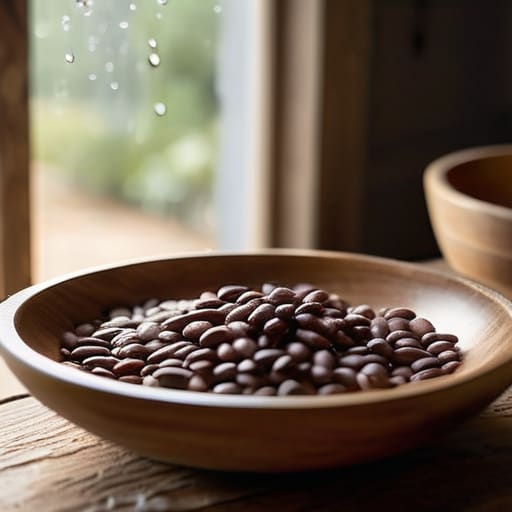
At the end of the day, avoiding discomfort isn’t about avoiding the food itself; it’s about respecting the process. Just as I wouldn’t dream of rushing a light roast and sacrificing the delicate floral notes of a high-altitude Ethiopian bean, you shouldn’t rush the preparation of your legumes. By embracing the ritual of a long soak and being mindful of your cooking techniques, you are essentially doing the heavy lifting before the meal even hits the plate. It’s all about patience—allowing those complex carbohydrates to break down so that your body can focus on what really matters: savoring the rich, earthy textures and deep flavors that these incredible crops have to offer.
Whether you’re simmering a hearty stew or preparing a simple side dish, remember that every ingredient has its own unique rhythm. Much like the way a single-origin coffee tells the story of its specific terroir, a well-prepared bean tells a story of care and intention. Don’t let the fear of bloating rob you of the nourishment and connection that comes from eating whole, unprocessed foods. Treat your kitchen like my roasting room—with patience, precision, and deep respect—and you’ll find that you can enjoy the full bounty of the earth without compromise. Happy cooking, and may your meals be as smooth as a perfectly pulled espresso shot.