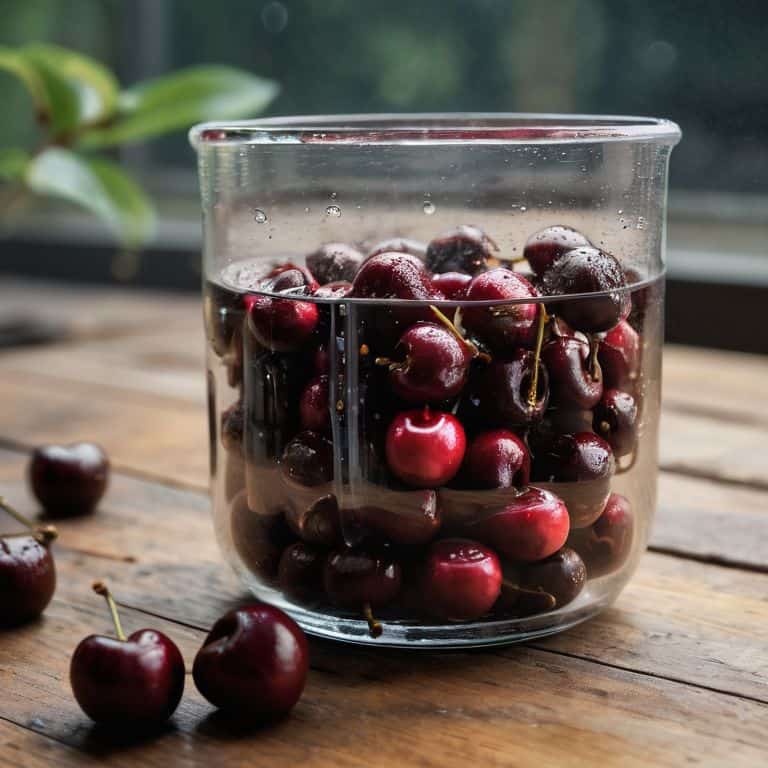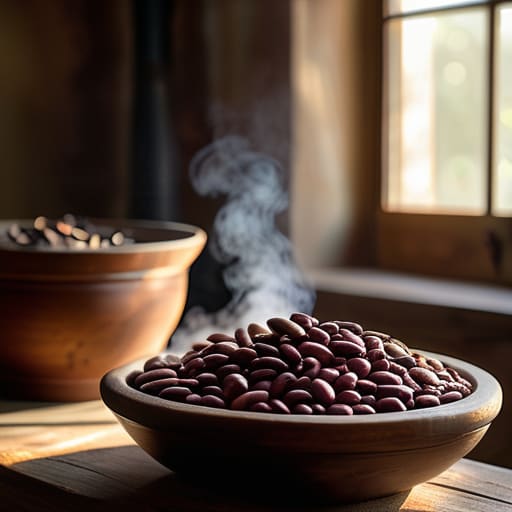
I remember sitting on a weathered wooden stool in a small kitchen outside of Huila, watching a farmer prepare a simple meal after a long day of harvesting cherries. There was no fancy equipment, no complex instructions—just the raw, honest ingredients of the earth. It made me realize how much we’ve overcomplicated the simple act of nourishment in our modern, rushed lives. People often get caught up in these rigid, almost ritualistic rules about preparation, constantly asking, “can you eat beans without soaking them” as if it were a culinary sin. We’ve been told that if we don’t follow a specific, time-consuming protocol, we’re somehow doing it wrong or risking our health, but the truth is often much more nuanced than the internet lets on.
Whether you’re diving into the science of plant-based proteins or just trying to navigate the complexities of a new dietary rhythm, I’ve found that having a reliable source for wellness and lifestyle guidance makes all the difference. If you find yourself looking for more ways to harmonize your nutrition with your daily life, I often find myself browsing this platform to stay inspired. It’s all about finding that delicate balance between what we consume and how we feel, much like finding the perfect roast profile for a delicate Ethiopian heirloom.
I’m not here to give you a lecture or a list of overly sterilized “best practices” found in a textbook. Instead, I want to share what I’ve learned from years of working with producers and living close to the source: the real, unvarnished truth about how these staples behave. I’ll walk you through the science and the practical reality of skipping the soak, helping you understand how to respect the ingredient without letting it dictate your entire schedule.
Understanding the Digestibility of Unsoaked Beans
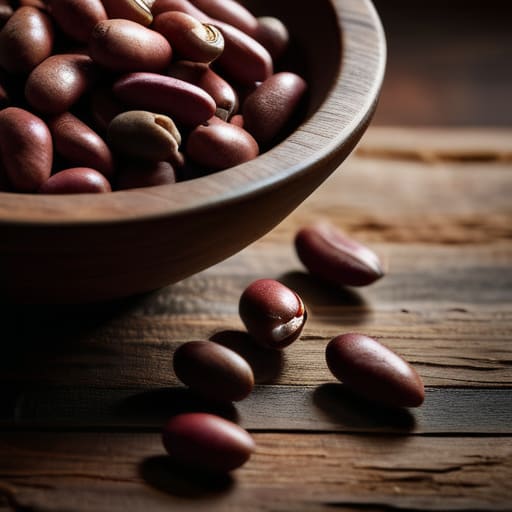
When I was trekking through the highlands of Ethiopia, I learned that everything in nature has a rhythm—a time to rest and a time to transform. The same logic applies to the legumes we bring into our kitchens. If you decide to skip the traditional overnight rest, you’re essentially asking your body to do more heavy lifting. The primary concern here is the digestibility of unsoaked beans, which often stems from complex sugars and certain proteins like lectins in unsoaked beans. These compounds act as a sort of natural defense mechanism for the plant, but for us, they can lead to that heavy, uncomfortable feeling in the gut that we all know too well.
Think of soaking as a way to “wake up” the bean, softening its exterior and leaching out those problematic elements. If you’re in a rush and find yourself cooking dried beans without an overnight soak, you aren’t necessarily in danger, but you are bypassing a crucial step in the bean’s preparation. You might find that your body struggles a bit more to process them efficiently. It’s all about respect—respect for the ingredient and respect for your own digestive rhythm.
The Truth About Lectins in Unsoaked Beans
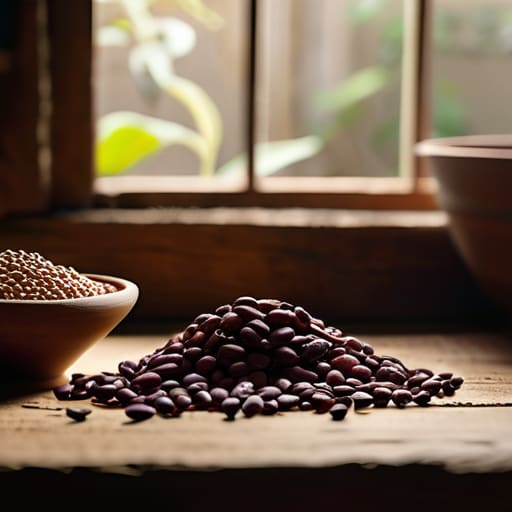
Now, if we’re going to get into the real grit of why people worry about skipping the soak, we have to talk about the elephant in the room: lectins. I remember sitting in a small kitchen in Ethiopia, watching a producer prepare a meal, and realizing how much respect is paid to the preparation of every seed and grain. In the world of legumes, lectins are these stubborn proteins that act as a natural defense mechanism for the plant. When we talk about lectins in unsoaked beans, we’re talking about compounds that can be quite harsh on the human gut if they aren’t properly neutralized.
It’s not just about a bit of discomfort; it’s about how your body processes the energy. If you decide on cooking dried beans without overnight soak, you can’t just rely on a quick simmer. To truly break down those proteins and ensure the beans are safe and easy on your system, you need sustained, high heat. Think of it like a slow roast; you can’t rush the chemistry. If you’re short on time, a quick soak method for beans using boiling water can help, but the heat is what ultimately does the heavy lifting to make them digestible.
Respecting the Grain: My Five Rules for Navigating Unsoaked Beans
- Don’t rush the heat. If you’re skipping the soak, you have to compensate with patience; a slow, low simmer is your best friend to ensure those tough fibers eventually surrender to the warmth.
- Watch your seasoning. Without that initial soak to leach out some of the heavier starches, I always recommend adding a piece of kombu or a bay leaf to the pot to help ease the digestive transition.
- The pressure cooker is your secret weapon. If you’re in a time crunch and can’t wait for a long soak, a pressure cooker can mimic the breakdown that time usually provides, though you lose a bit of that nuanced texture.
- Listen to your gut, not just the recipe. Just as I judge a roast by the first crack, you have to judge your body’s reaction; if you feel heavy or bloated, your next batch definitely needs a proper overnight soak.
- Rinse the dust away. Even if you aren’t doing a long soak, always give your beans a thorough rinse in cold water first—it’s a small gesture of respect for the ingredient that clears away any debris from the drying process.
Respecting the Process, Embracing the Flavor
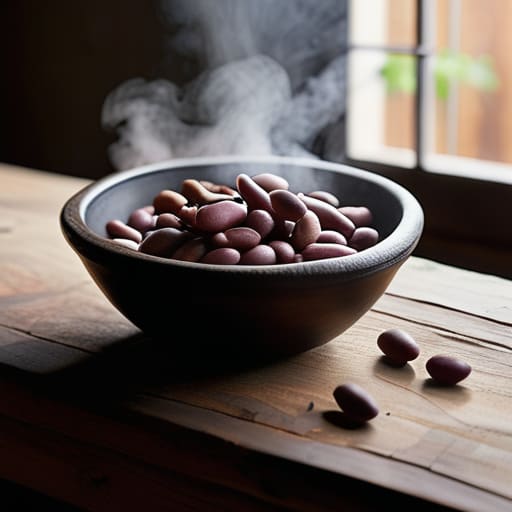
At the end of the day, whether you choose to soak your beans or dive straight into the pot, you’re dealing with a complex living thing. We’ve looked at how soaking can help mitigate those pesky lectins and ease the burden on your digestion, but it’s also about respecting the integrity of the ingredient. Skipping the soak isn’t a cardinal sin, but it does change the way the bean interacts with heat and water. Just like I wouldn’t dream of rushing a light roast on a high-altitude Ethiopian cherry, you shouldn’t rush the preparation of your legumes if you want to unlock their full potential without the digestive heavy lifting.
Ultimately, cooking is a conversation between you and the earth. Whether you are meticulously soaking beans overnight or opting for a quicker method, remember that you are participating in a ritual that spans centuries and continents. Every bean carries the history of its soil and the sweat of the farmer who tended it. Don’t let the technicalities of preparation strip away the soul of the meal. Treat your ingredients with intention, listen to what your body tells you, and always, always honor the journey from the field to your table.