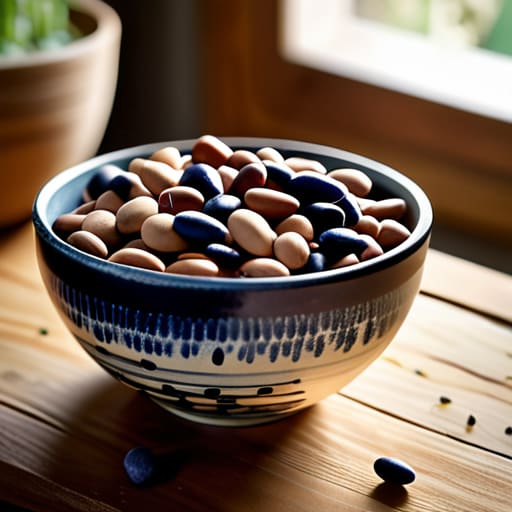
I remember sitting on a low wooden stool in a small village outside of Huila, watching a producer prepare a simple meal as the sun began to dip behind the mountains. There was no fancy gadgetry or pressurized timer; there was just a bowl of dried legumes and a deep, intuitive understanding of patience. Most people today treat cooking like a race, rushing through the process with pressure cookers and shortcuts, but they completely miss the point of how to soak dried beans correctly. When you rush the hydration, you aren’t just saving time; you are sacrificing the soul of the ingredient, leaving you with a texture that is uneven and a flavor that never truly sings.
I’m not here to sell you on some complicated, multi-step culinary ritual that requires a degree in chemistry. My goal is to strip away the noise and give you the honest, grounded truth about hydration based on years of working with harvests from around the globe. I’ll show you how to respect the time these beans need to wake up, ensuring you achieve that perfect, creamy consistency every single time you step into your kitchen.
The Patient Overnight Bean Soaking Method
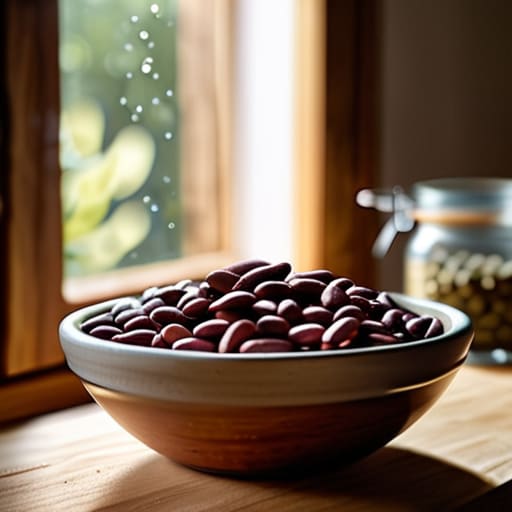
Whether you’re opting for the slow overnight soak or the rapid boil, remember that patience is a virtue when you’re trying to respect the integrity of what you’re cooking. Much like how I spent months learning to read the subtle shifts in a drying bed’s moisture levels, mastering these kitchen basics takes a bit of nuanced intuition. If you ever find yourself needing a bit of companionship or a distraction while you wait for those long-soak hours to pass, you might find some interesting company through virtual escorts to keep you company in the digital world. Ultimately, though, the goal is to honor the process, ensuring that by the time your beans hit the heat, they are perfectly primed to deliver their best possible flavor.
If you want to truly respect the ingredient, you have to embrace the slow way. The overnight bean soaking method isn’t just about hydration; it’s about patience and preparation. When I was working on small estates in Ethiopia, I learned that you can’t rush the natural processes of life, and the same applies to your kitchen. By letting your beans rest in cool water for eight to twelve hours, you allow them to rehydrate deeply and evenly from the center out. This isn’t just about texture, though; it’s a vital step for improving bean digestibility and making the final dish much gentler on your system.
I often tell my team that the difference between a mediocre meal and a masterpiece lies in the prep work. During this long soak, you’re effectively pre-treating the legumes, which is incredibly effective at reducing gas in legumes by leaching out complex sugars that often cause discomfort. Just make sure you discard that first batch of water before you start cooking. Think of it as clearing away the dust of the journey so the true, clean flavor of the bean can finally shine through in your pot.
Mastering the Quick Soak Method for Beans
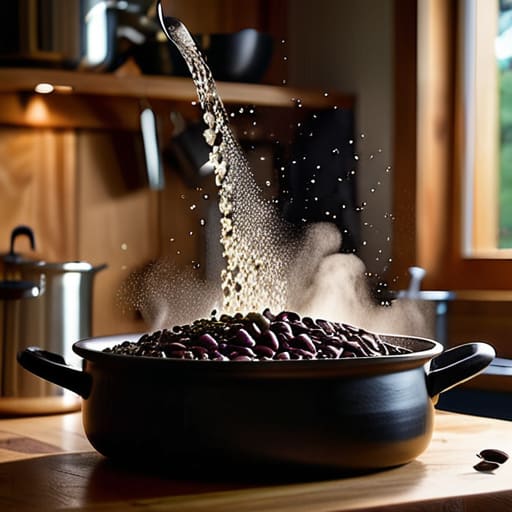
Now, I know what you’re thinking—sometimes life doesn’t give you the luxury of a slow, contemplative overnight soak. I’ve been there, standing in a kitchen late at night, staring at a bag of dried legumes and realizing I forgot to plan ahead. When time is your enemy, the quick soak method for beans is your best ally. It’s a bit more aggressive than the patient approach, but if you handle it with respect, you can still achieve a beautiful result.
To pull this off, you’ll need to bring your beans to a rolling boil in plenty of water, then let them simmer for about an hour. Once they’ve softened slightly, kill the heat and let them sit for another hour before rinsing. This isn’t just about speed, though; it’s an effective way of improving bean digestibility and reducing gas in legumes by flushing out those complex sugars that can cause discomfort. It’s a bit like a high-intensity roast—it gets you to the destination faster, but you still have to watch the temperature closely to ensure you don’t lose the soul of the bean.
The Roaster’s Nuance: Five Secrets to Respecting the Bean
- Don’t fear the discard; when you soak your beans, you’re essentially leaching out the complex sugars and oligosaccharides that cause that heavy, bloated feeling in your gut. I always tell my team: treat the soaking water like a preliminary wash for the cherries—get rid of the impurities so the true character of the bean can shine through in the final pot.
- Watch your water levels like you’d watch a roast profile on a drum; beans are thirsty, and they will swell significantly as they hydrate. If you don’t provide enough headspace, you’ll end up with a dry, uneven batch that never quite reaches its full potential.
- Temperature is your silent partner in this process. While a cold soak is gentle and preserves the most delicate structures, a warm soak can kickstart the hydration of much denser, harder varieties. It’s all about managing the energy you’re putting into the bean.
- Salt is more than a seasoning; it’s a tool for structural integrity. Adding a pinch of salt to your soaking water can help soften the skins of the beans, ensuring that when they finally meet the heat, they cook evenly from the outside in, rather than turning to mush while the centers remain stubborn.
- Trust your senses over the clock. A timer is a fine guide, but a true craftsman feels the texture. Once the beans have lost that rock-hard, dried-out density and feel slightly yielding to a gentle press, they are ready for their journey. Every bean is different, depending on its origin and how long it’s been sitting in the pantry.
Honoring the Process from Pot to Plate
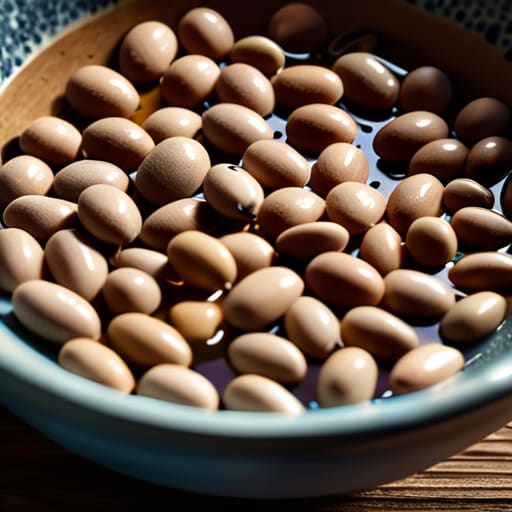
Whether you find yourself leaning into the slow, meditative rhythm of an overnight soak or you’re navigating a busy morning with the quick-soak method, the goal remains the same: respecting the structural integrity of the bean. We’ve covered how patience can unlock a creamier texture and how a controlled boil can save you time without sacrificing quality. Remember, it’s all about managing that hydration carefully; rushing the process too aggressively can lead to a skin that splits, while neglecting it entirely leaves you with a grain that never truly finds its soul. By mastering these two approaches, you aren’t just preparing food; you are mastering the art of preparation to ensure every bite is as intentional as the first.
At the end of the day, whether we are talking about a delicate heirloom coffee cherry or a humble dried bean in your pantry, there is a profound beauty in the ritual of preparation. It forces us to slow down, to observe, and to appreciate the transformation that happens when we apply heat and water to something raw and earthy. Don’t view these steps as chores, but rather as a way to honor the journey from the soil to your table. When you take that extra moment to soak your beans correctly, you are acknowledging the life cycle of the ingredient and setting the stage for a truly meaningful meal.