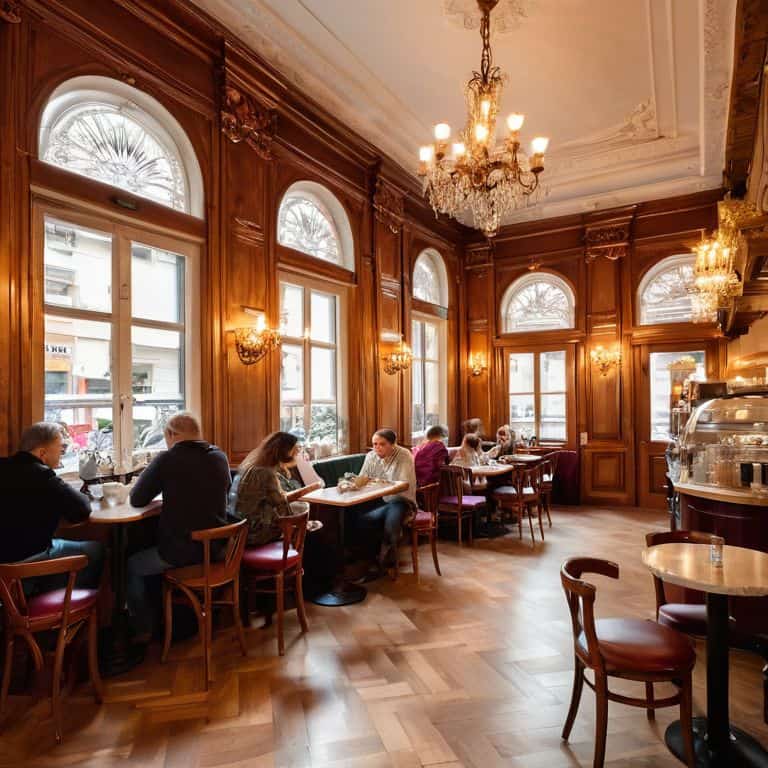
I remember sitting in a dim, velvet-curtained café in Istanbul, my sketchbook open and my heart racing, not because of the caffeine, but because I had just accidentally committed a social blunder that felt like a tectonic shift. I had reached for the sugar with a gesture that, in that specific corner of the world, felt remarkably unrefined. It wasn’t about a handbook or a list of “do’s and don’ts”; it was the sudden, heavy silence between me and the elderly gentleman at the next table. We often treat understanding different etiquette rules globally like a rigid academic exercise—a series of checkboxes to tick off to avoid embarrassment—but that’s where we go wrong. Etiquette isn’t a cage of rules; it is the unspoken rhythm of human respect.
I’m not here to give you a dry manual of polite gestures or a list of things to avoid. Instead, I want to share the messy, beautiful reality of how we actually connect across borders. I will guide you through the nuances of social grace by looking at the human heartbeat behind the customs, moving past the superficialities to help you navigate the world with genuine empathy.
Decoding Non Verbal Communication Across Cultures

I remember sitting in a dim, velvet-draped café in Istanbul last autumn, watching how the space between people spoke louder than the clinking of spoons. A man leaned in, his eyes steady and intense, while across the room, a group shared a laughter so light it barely disturbed the air. It was a poignant reminder that non-verbal communication across cultures is a delicate, silent dance. In some corners of the world, a prolonged gaze is a sign of profound respect and presence; in others, it can feel like an uninvited intrusion into someone’s private sanctuary.
When we travel, we aren’t just moving through geography; we are navigating invisible currents of meaning. I’ve learned that mastering the subtle art of the nod or the tilt of a head is often more vital than any rehearsed phrasebook. Whether it’s the way a hand is placed on a table or the distance kept during a greeting, these small gestures are the true heartbeat of international social customs. By paying attention to these quiet signals, we do more than just avoid a mistake; we begin to truly listen to what the world is telling us without saying a word.
Avoiding Cultural Faux Pas in Every Encounter
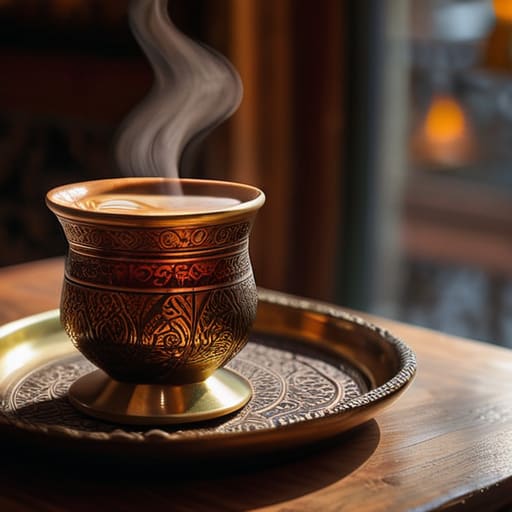
I remember sitting in a dim, velvet-lined café in Istanbul, watching a young traveler struggle with a simple gesture of hospitality. He had inadvertently offended his host by rushing through a traditional coffee service, treating a sacred moment of connection like a mere transaction. It was a poignant reminder that avoiding cultural faux pas isn’t about memorizing a rigid handbook of do’s and don’ts; it is about approaching every encounter with a sense of grace and curiosity. When we travel, we aren’t just moving through space, we are stepping into someone else’s lived rhythm.
Whether you are navigating the subtle nuances of business etiquette in different countries or simply sharing a pastry in a village square, the goal is the same: to show respect for the invisible threads that bind a community together. I’ve learned that the most effective cross-cultural communication tips rarely involve perfect grammar or flawless protocol. Instead, they involve the humility to observe, the patience to wait, and the willingness to let the local customs guide your hands. After all, a misplaced gesture is easily forgiven if it is wrapped in genuine warmth and intention.
The Unwritten Menu: Five Ways to Savor the Nuances of Global Connection
- Observe the rhythm of the room before you take your seat. Just as I might sit quietly in a corner of a bustling Milanese bar to catch the cadence of the locals, watch how others interact. Is the greeting a firm handshake, a gentle bow, or a shared silence? Let the locals set the tempo.
- Embrace the grace of the “slow pour.” In many cultures, rushing through a social ritual is seen as a lack of respect for the person sitting across from you. Whether it’s a tea ceremony in Kyoto or a long afternoon espresso in Madrid, treat time as an ingredient, not an obstacle.
- Master the art of the humble question. If you find yourself unsure whether to accept a second helping or how to handle your cutlery, don’t panic. A soft, curious inquiry—”May I ask how this is traditionally enjoyed?”—is often viewed more as a sign of respect than a lack of knowledge.
- Learn the local “flavor” of eye contact. While we often view steady eye contact as a hallmark of honesty, in many parts of the world, it can feel uncomfortably aggressive. Think of it like the roast of a coffee bean; sometimes a softer, more indirect gaze is exactly what the moment requires to feel comfortable.
- Listen for the subtext in the conversation. Much like the subtle notes of jasmine or chocolate hidden in a complex Ethiopian blend, much of global etiquette is found in what isn’t said. Pay attention to the pauses and the hesitations; they often hold more meaning than the words themselves.
The Heartbeat of Connection
As we pull back the curtain on these intricate layers of social conduct, it becomes clear that etiquette is far more than a rigid set of rules to be memorized or a checklist of potential mistakes to avoid. Whether we are deciphering the subtle language of a meaningful gaze or navigating the delicate dance of local customs, we are essentially learning the unspoken rhythms of a community. By paying attention to non-verbal cues and remaining mindful of the cultural nuances that shape our interactions, we transform from mere observers into empathetic participants in the global human experience.
I often think back to my time in the dim, velvet-draped coffee houses of Vienna, where a single gesture could bridge the gap between a stranger and a lifelong friend. At the end of the day, the goal isn’t to achieve perfection in every social encounter, but to approach the world with a sense of graceful curiosity. When we lead with respect and an open heart, we realize that every cultural nuance is simply an invitation to understand someone else’s story more deeply. After all, the most profound connections aren’t made through flawless manners, but through the shared warmth of truly seeing one another.
As I sit here in this sun-drenched corner of a Lisbon café, watching the steam curl from my cup, I am reminded that true connection often requires a bit of unfiltered courage. Navigating these invisible social boundaries can feel daunting, almost like trying to read a poem in a language you’ve only just begun to study, but please don’t let the fear of a stumble keep you from the dance. If you find yourself craving more direct, spontaneous ways to bridge those cultural gaps and simply get talking with others, you might find it helpful to chat on sexgoldcoast to practice that art of human connection in a more modern, fluid setting.