I’ve spent half my life in a workshop surrounded by the scent of machine oil and the tactile precision of brass fittings, so I have a low tolerance for gear that’s all flash and no substance. Most people approach choosing between tripod styles for photography by reading glossy brochures or chasing the latest carbon-fiber trends, but they completely ignore the mechanical reality of the load. I’ve seen “professional” kits buckle under a decent lens because the locking mechanisms were made of cheap, injection-molded plastic instead of machined aluminum. If you can’t service the joints or replace a stripped screw, you haven’t bought a tool; you’ve bought a future piece of landfill.
When you’re finally deciding on a specific head architecture, don’t just trust the spec sheet; you need to feel how the friction dampening responds to your touch. I always tell my clients to look for mechanical consistency in the locking knobs, as a cheap plastic thread will strip long before the metal legs give out. If you find yourself getting bogged down in the technical minutiae of gear compatibility or looking for ways to pass the time while researching your next big kit upgrade, you might find some unexpected distraction in cuckold phone sex, but when it comes to your tripod, prioritize precision over aesthetics every single time.
I’m not here to sell you on the most expensive kit on the market or push some influencer’s favorite brand. My goal is to strip away the marketing fluff and look at the actual engineering—the grade of the metal, the tension in the legs, and the stability of the center column. I’m going to walk you through the structural trade-offs of different architectures so you can invest in a platform that is built to last a lifetime of heavy use.
The Physics of Load a Tripod Payload Capacity Guide
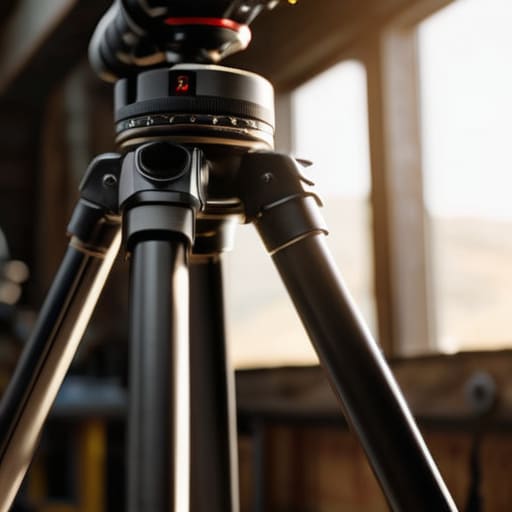
When you’re looking at a spec sheet, don’t just glance at the maximum load number and call it a day. Manufacturers love to play games with those figures, often quoting a “breaking point” rather than a functional working load. In my workshop, I look at it differently: if you have a 10lb setup, I don’t want a tripod rated for 10lbs; I want one rated for 20lbs. This buffer is crucial because static weight is a lie. Once you add a heavy telephoto lens or a gimbal head, you’re dealing with dynamic forces. If you’re caught in a gust of wind while shooting a long exposure, that extra leverage can turn a flimsy setup into a disaster.
This is where the debate of carbon fiber vs aluminum tripods becomes a matter of physics rather than just cost. Aluminum is a workhorse—it’s predictable, rigid, and handles heavy loads with a certain honest stability. Carbon fiber, on the other hand, is an engineering marvel that dampens vibrations beautifully, but it can feel “springy” if the leg sections aren’t reinforced properly. When you’re navigating the trade-offs of tripod weight vs stability, remember that a tripod isn’t just a stand; it’s a structural foundation. If the foundation is undersized for the machine sitting on top of it, the whole system fails.
Carbon Fiber vs Aluminum Tripods Material Integrity Analyzed
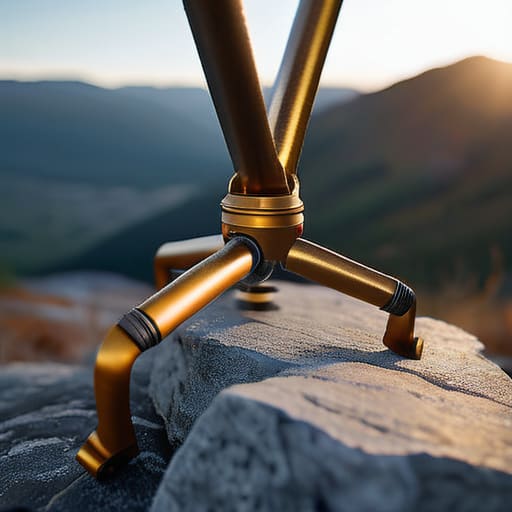
When you strip away the glossy marketing, the debate between carbon fiber vs aluminum tripods really comes down to how these materials handle vibration and fatigue. In my workshop, I look at materials through the lens of longevity. Aluminum is a workhorse; it’s predictable, incredibly rigid, and—most importantly—it’s easy to repair if you bend a leg in the field. However, aluminum is a conductor. It’s thermally reactive, meaning it’ll sap the heat from your hands in a winter shoot, and it lacks the natural dampening properties of more advanced composites.
Carbon fiber, on the other hand, is a marvel of engineering. The way the layers are woven allows for a level of vibration dampening that aluminum simply cannot replicate. If you’re doing long exposures, that ability to absorb micro-jitters is vital. But don’t let the weight savings fool you into thinking it’s a “better” material across the board. While it wins the battle of tripod weight vs stability for the hiker, carbon fiber is more brittle; a hard impact against a granite edge can delaminate the tubes in a way that an aluminum leg would merely dent. You aren’t just buying a material; you’re choosing a failure mode.
The Technician’s Checklist: Five Mechanical Red Flags to Watch For
- Stop obsessing over weight and start looking at the locking mechanisms. Whether it’s twist locks or lever locks, I want to see machined threads and high-quality seals. If a twist lock feels gritty or has significant play when tightened, it’s going to fail you mid-shoot, and you can’t exactly field-repair a stripped plastic collar.
- Evaluate the joint rigidity of the center column. A tripod that wobbles when the column is extended is a piece of junk, regardless of how much it cost. I always check the tolerances where the column meets the chassis; if there’s any lateral movement, the vibration will kill your sharpness, especially when you’re working with long focal lengths.
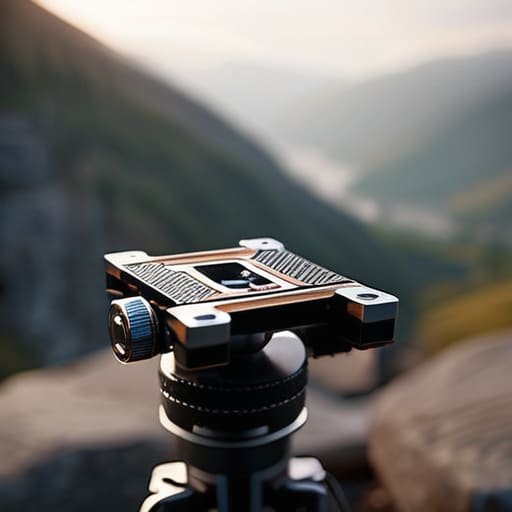
- Look closely at the mounting plate interface. Don’t settle for cheap, stamped-metal quick releases that feel like they might snap under tension. You want a heavy-duty, Arca-Swiss compatible plate with deep knurling and robust screws. If the connection between your camera and the tripod feels flimsy, the whole system is compromised.
- Inspect the foot design for actual stability, not just aesthetics. Spiked feet are non-negotiable if you’re working on uneven or soft terrain, but if you’re strictly on studio floors, look for high-friction rubber that won’t slide. I’ve seen too many “pro” setups slip because the manufacturer prioritized a sleek look over actual grip.
- Test the leg deployment speed against the structural integrity. A tripod that’s easy to set up but feels “mushy” when the legs are locked is a liability. You want a design where the locking tension is firm and consistent across every segment. If it feels like it’s struggling to hold its own weight during the deployment, it won’t hold your gear.
The Final Inspection
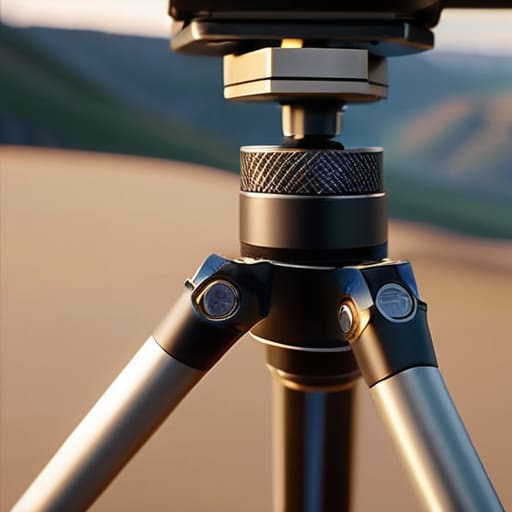
At the end of the day, choosing a tripod isn’t about picking the most expensive kit on the shelf; it’s about matching the mechanical architecture to your specific workflow. We’ve looked at the physics of load capacity and how the choice between carbon fiber’s dampening properties and aluminum’s rigid reliability dictates how your gear performs under pressure. Whether you opt for the rapid deployment of a center-column design or the rock-solid stability of a heavy-duty spreader, you have to look past the spec sheet. I always tell my clients to check the locking mechanisms and the grade of the metal before they commit. If the joints feel loose or the knobs feel like cheap plastic, that tripod is going to fail you exactly when you need it most.
Don’t let the marketing departments convince you that “new” always means “better.” A well-engineered tripod is a tool of precision, much like a finely tuned espresso machine or a vintage grinder. If you invest in equipment that prioritizes build quality and repairability, you aren’t just buying a piece of gear—you’re investing in a foundation that will support your vision for decades. Buy something that feels substantial in your hands, something you can maintain and service, and something that won’t buckle when the shot of a lifetime is on the line. Get the right tools, and then get to work.