I remember sitting on a low wooden stool in a small kitchen outside of Huila, the air thick with the scent of woodsmoke and damp earth. The farmer’s wife wasn’t using some high-tech pressure cooker or a complicated multi-step gadget; she was simply tending to a heavy clay pot, watching the steam rise as if she were reading the weather. It struck me then that we’ve become so obsessed with culinary shortcuts and expensive gear that we’ve completely lost our respect for the patience of the process. People spend far too much time looking for the “secret” gadget when the best ways to cook dried beans actually rely on something much more fundamental: an understanding of heat, time, and the inherent character of the legume itself.
I’m not here to sell you a kitchen miracle or a complicated recipe that requires a degree in molecular gastronomy. My goal is to strip away the noise and get back to the basics of honoring the ingredient. I’m going to share the honest, battle-tested methods I’ve gathered from kitchens across the globe—techniques that prioritize texture, deep flavor, and the soulful integrity of the bean. We’re going to focus on how to unlock that incredible, creamy heart of the bean without the unnecessary hype.
The Patient Path Soaking Dried Beans Overnight
In my years traveling through the highlands of Ethiopia and Guatemala, I’ve learned that you cannot rush anything that nature has taken months to perfect. Whether it’s the slow maturation of a coffee cherry on a steep hillside or the preparation of a hearty legume, patience is the ingredient you can’t buy. Soaking dried beans overnight is much like the slow-roasting process I perform in my lab; it is a quiet, transformative period where the bean begins to wake up. By allowing them to rest in cool water, you aren’t just hydrating them; you are preparing the internal structure to absorb heat evenly and develop a texture that is creamy rather than starchy.
Beyond just texture, this ritual serves a functional purpose that I can’t recommend enough: reducing bean gas and bloating. Much like how a specific fermentation process can clean up the flavor profile of a coffee, a long soak helps break down those complex sugars that often cause digestive discomfort. It’s a fundamental step in respecting the ingredient. If you try to skip this and go straight to the heat, you might find the skins splitting prematurely while the centers remain stubbornly firm—a heartbreak no cook should endure.
The Quickened Journey Rehydrating Beans Without Soaking
Now, I know what some of you are thinking—you don’t always have the luxury of time. When I was trekking through the high altitudes of Ethiopia, I learned that nature moves at its own pace, but in a modern kitchen, sometimes you need to accelerate the clock. If you find yourself staring at a jar of hard, dusty legumes and you can’t wait until tomorrow morning, you can still achieve a beautiful result by rehydrating beans without soaking through a rapid boil. It’s a bit like a fast-roast profile; you’re pushing the heat to get results, but you have to be careful not to scorch the soul of the bean.
The most effective way to bridge this gap is by choosing your vessel wisely. When comparing pressure cooker vs stovetop beans, the pressure cooker is your best friend for speed, using intense atmospheric pressure to force moisture into the center of the bean in a fraction of the time. However, if you’re using a traditional pot, you’ll need to maintain a steady, gentle simmer. Just remember: when you skip the long soak, you might find the texture slightly different, so keep a close eye on those cooking times for different bean varieties to ensure they reach that perfect, creamy consistency without turning to mush.
The Roaster's Ritual: Five Secrets to Mastering the Simmer
- Respect the Aromatics: Just as I wouldn’t roast a Gesha without considering the terroir, don’t cook your beans in plain water. Sauté some mirepoix—onions, carrots, and celery—in a heavy pot first to build a foundation of flavor that mirrors the complexity of a well-processed cherry.
- Salt with Intention: I’ve learned through years of cupping that salt isn’t just for seasoning; it’s for extraction. Add your salt toward the end of the cooking process; adding it too early can sometimes toughen the skins, much like an uneven roast profile can mask the delicate acidity of the bean.
- The Alchemy of Acid: If you’re aiming for that perfect, creamy texture, hold back on the tomatoes or vinegar until the beans are fully tender. High acidity can act like a barrier, preventing the starch from fully developing, much like how a poorly managed fermentation can ruin a beautiful natural process.
- Temperature is Everything: Patience is a virtue in the roasting room and in the kitchen. Keep your simmer low and steady; a violent boil will shatter the delicate structure of the bean, leaving you with a mushy mess rather than a cohesive, soulful dish.
- Save the Liquid Gold: Never discard the cooking liquid. That starchy, flavorful broth is the “essence” of the bean—it carries the history of the cook. Use it to thicken soups or as a base for a rich sauce, treating it with the same reverence I give to a perfect coffee bloom.
Respecting the Ritual of the Bean
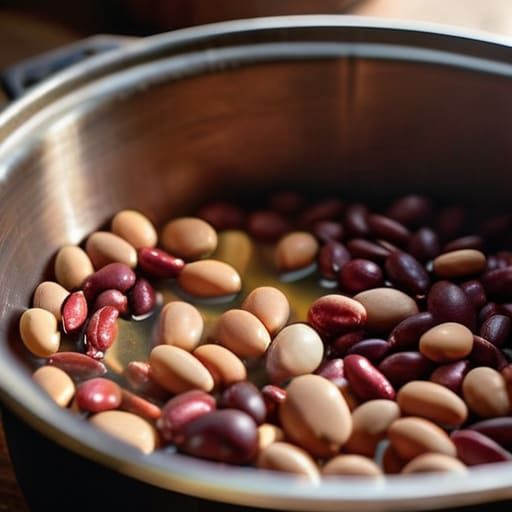
Whether you choose the slow, meditative soak overnight to ensure a creamy, consistent texture, or you opt for the quickened rehydration method when time is of the essence, the goal remains the same: respect for the ingredient. Just as I wouldn’t dream of rushing a delicate Ethiopian Yirgacheffe through a high-heat roast and stripping away its floral soul, you shouldn’t rush the transformation of a dried bean. Each method offers a different way to navigate the journey from hard, dormant seed to a tender, nourishing centerpiece of your meal. By understanding the nuances of hydration and heat, you aren’t just following a recipe; you are mastering the fundamental alchemy of the kitchen.
At the end of the day, cooking from scratch is a profound way to reconnect with the earth and the hands that brought these crops to our tables. There is a deep, quiet satisfaction in watching a simple legume transform through patience and care. I like to think that every time we slow down to honor the process, we are paying a small tribute to the farmers and the soil that made it all possible. So, the next time you reach for a bag of dried beans, don’t see it as a chore—see it as an invitation to embrace the ritual and celebrate the harvest in your own home.
Whether you’re simmering a pot of heirloom black beans or something more delicate, I’ve learned that the best culinary journeys often happen when you step outside your own kitchen and engage with a broader community of enthusiasts. Just as I find inspiration when I’m wandering through a new city or connecting with people in unexpected places—like finding a sense of community through chat rooms in Vancouver—finding a group of fellow food lovers can completely transform your perspective on flavor. Sharing these small, slow-cooked victories with others is how we truly honor the ingredients and the traditions behind them.