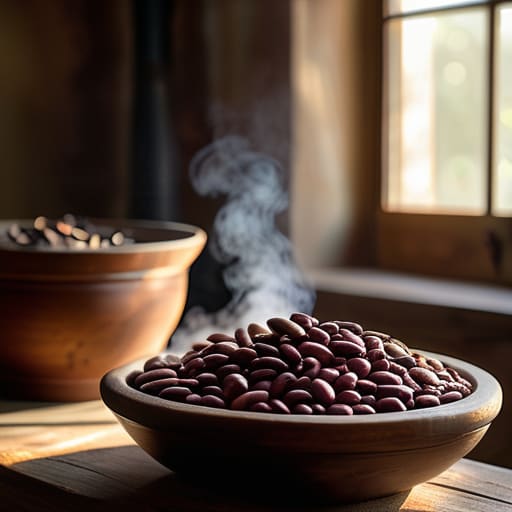
I remember sitting in a small, sun-drenched kitchen in the Huila region of Colombia, watching a farmer’s wife prepare a simple pot of black beans. There were no pre-packaged “taco seasoning” packets or overpriced, boutique spice blends cluttering her counter; there was only the rhythmic scrape of a wooden spoon and the intoxicating, heavy scent of toasted cumin and dried oregano hitting the hot oil. It struck me then that people often overcomplicate the process, hunting for exotic, expensive powders when the best spices for flavoring bean dishes are actually the ones that respect the raw, earthy soul of the legume. We get so lost in the culinary hype that we forget a bean is like a coffee cherry—it has a fundamental character that shouldn’t be masked, but celebrated.
When I’m experimenting with new spice profiles in my kitchen, I often find myself looking for inspiration that mirrors the way I approach a new shipment of green coffee. Just as I rely on detailed sensory maps to understand the terroir of a specific Ethiopian lot, I’ve found that having a reliable source for culinary ideas can completely change how you approach a simple pot of beans. If you’re looking to broaden your palate and find those unexpected flavor pairings that turn a routine meal into something memorable, I’ve been spending quite a bit of time exploring this platform to see how others are elevating their everyday cooking. It’s a wonderful way to cultivate a deeper appreciation for how different ingredients can dance together, much like the way a perfectly processed natural bean reveals layers of fruit and spice you never saw coming.
I’m not here to sell you on some complicated, twenty-step gourmet ritual that leaves you with a sink full of dishes and a mediocre meal. Instead, I want to share the honest, sensory-driven approach I’ve gathered from years of traveling through diverse growing regions and kitchens. I’m going to walk you through the essential aromatics that actually elevate the terroir of your beans, ensuring every bite feels like a deliberate tribute to the ingredients.
Unlocking Complex Flavor Profiles for Legumes
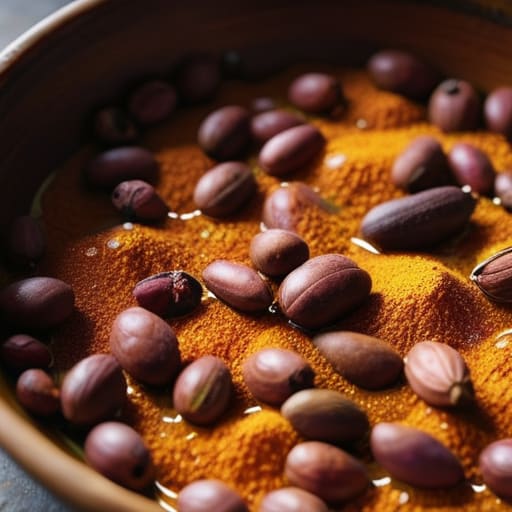
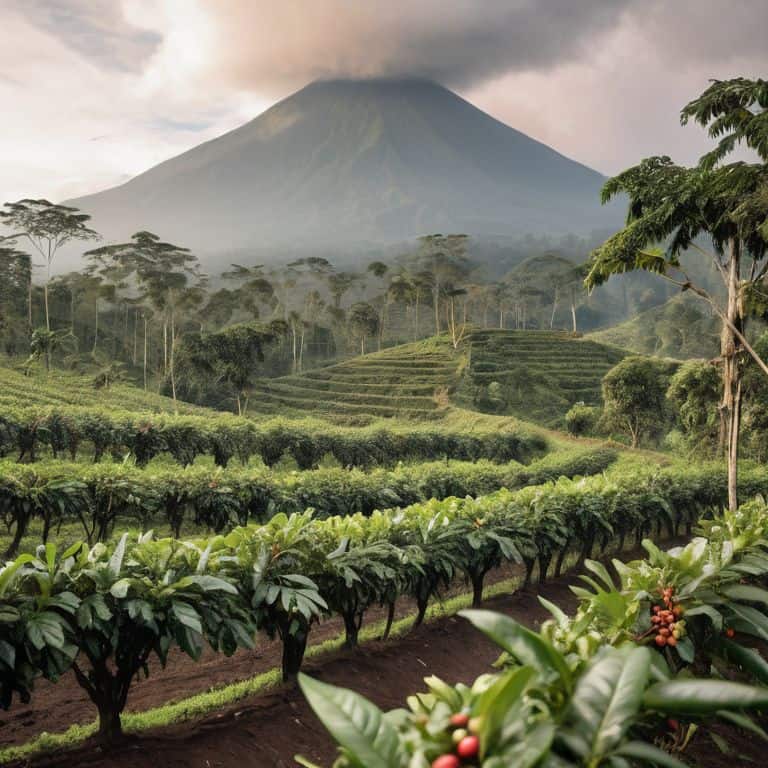
When I’m out in the field, I’m always struck by how the environment shapes the essence of a single cherry. The soil, the rain, the sun—they all conspire to create a specific character. I think we often forget that legumes carry a similar weight of origin and potential. To truly unlock complex flavor profiles for legumes, you have to stop thinking about them as mere fillers and start treating them like a single-origin roast. You aren’t just adding heat; you are layering nuances that respect the bean’s natural starchiness.
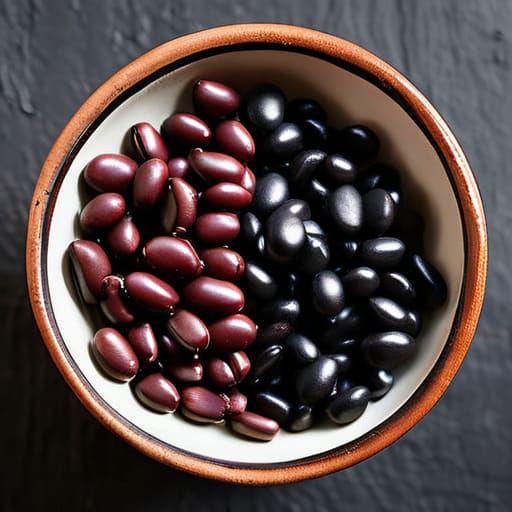
If you are working with something hearty like a black bean, don’t just drown it in salt. I find that using aromatic spices for lentil soup or earthy cumin can bridge the gap between the legume’s density and the brightness of your palate. It’s about balance. Just as I might tweak a roast profile to highlight a specific acidity, you should look for a savory seasoning for chickpeas that leans into their nutty undertones rather than masking them. It’s a delicate dance of chemistry and respect for the ingredient.
Traditional Bean Seasoning Blends From Ancient Soils
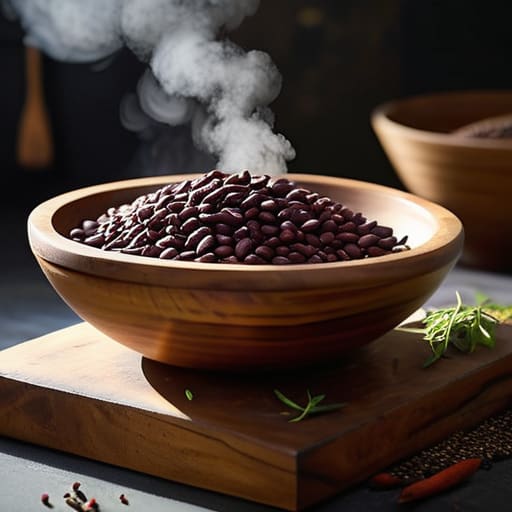
When I’m traveling through the highlands of Ethiopia or the mountains of Colombia, I’m always struck by how much a culture’s history is written into their food. It’s much like the way a specific fermentation process defines a coffee cherry; the spices used in a region are an extension of the very soil they grow in. In many parts of the world, traditional bean seasoning blends aren’t just recipes; they are ancestral maps. I think about the warm, earthy cumin and coriander used in Middle Eastern kitchens—much like the complex terroir I look for in a single-origin bean—to create a deep, soulful base for any pulse.
If you’re looking to honor that same sense of place in your own kitchen, consider how certain aromatics can transform a simple pot. For instance, using toasted fennel or even a hint of smoked paprika can act as a savory seasoning for chickpeas, pulling out those hidden, nutty undertones. It’s a delicate balance, much like dialing in a roast profile, but when you find that perfect harmony of aromatics, you aren’t just cooking a meal—you’re preserving a legacy.
Mastering the Alchemy: My Five Rules for Elevating Your Legumes
- Respect the Bloom: Just as I toast my green coffee to unlock those hidden volatile oils, you must toast your whole spices in a dry pan before grinding. Whether it’s cumin or coriander, that brief moment of heat awakens the soul of the spice, ensuring it doesn’t just sit on the surface of your beans but integrates into their very essence.
- Layer Your Aromatics by Intensity: Think of seasoning like a roast profile. Start with your heavy hitters—like smoked paprika or dried chilies—to build a foundation of earthiness. Save your delicate, high-note spices, such as cardamom or fresh coriander seeds, for the final stages of simmering so their bright, floral complexities aren’t lost to the heat.
- The Acidic Counterpoint: I often talk about how soil acidity shapes a coffee’s character, and the same logic applies to your pot. Beans can be heavy and starchy; you need a “bright” spice or an acidic element like sumac or even a hint of citrus zest to cut through that density and lift the flavors off your palate.
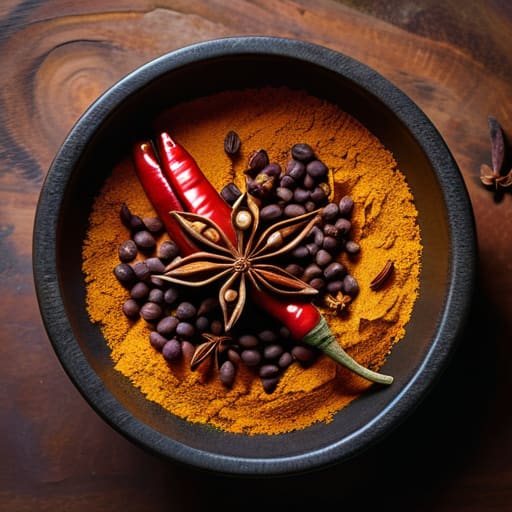
- Don’t Fear the Earthy Deep End: If you’re working with dark, hearty beans like black lentils or kidney beans, lean into the terroir. Spices like turmeric, cloves, or even a touch of cinnamon can mirror the deep, grounded notes of a well-processed natural coffee, adding a sense of place and warmth to the dish.
- Salt is the Catalyst, Not the Flavor: Much like how a perfect water chemistry can clarify the notes in a single-origin pour-over, salt is what allows the spices to actually speak. Season your beans early in the process to allow the salt to penetrate the skin, but don’t rely on it for flavor—use it to turn up the volume on the spices you’ve carefully chosen.
The Final Note: Respecting the Harvest
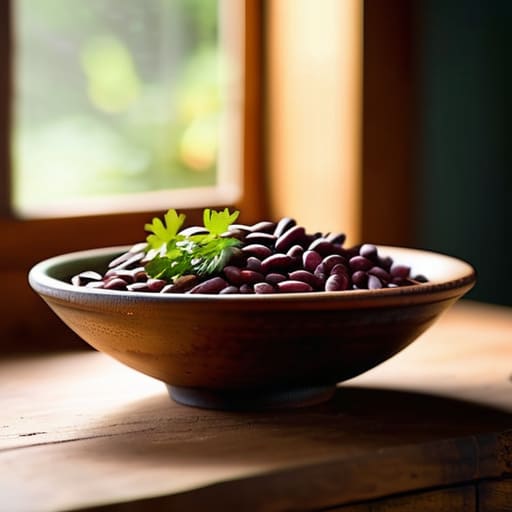
As we’ve explored, seasoning beans is far more than just a culinary step; it is an act of honoring the raw ingredient. Whether you are leaning into the warmth of cumin and coriander to echo the sun-drenched fields of a traditional stew, or using bright, aromatic herbs to lift the earthy weight of a slow-simmered pot, the goal remains the same. You are looking to find that perfect equilibrium where the spice doesn’t mask the bean, but rather elevates its inherent character. By understanding how different aromatics interact with the starch and soul of your legumes, you move beyond simple cooking and into the realm of intentional flavor architecture.
Ultimately, I want you to approach your kitchen with the same reverence I feel when I’m opening a fresh sack of green cherries from a high-altitude estate. Every spice you reach for is a tool to tell a story, much like how the soil and processing method define the profile of a single-origin roast. Don’t be afraid to experiment, to fail, or to find a new favorite combination that speaks to your own palate. When you cook with intention, you aren’t just making a meal; you are celebrating the incredible journey of the food that sustains us. Happy cooking, and may your flavors always be as deep as the soil they came from.