I remember sitting in a small kitchen in the Huila region of Colombia, watching a farmer carefully organize his harvest; there was a profound respect for the life cycle of the crop, a sense that nothing should be wasted. It’s a far cry from the modern chaos of a cluttered fridge where leftovers go to die. I see people constantly overcomplicating things, buying expensive, high-tech vacuum sealers when all they really need is a bit of common sense and a little bit of respect for the ingredients. If you’re staring at a pot of leftovers and wondering how to store cooked beans safely without turning your kitchen into a science experiment, you aren’t alone.
I’m not here to sell you a gadget or drown you in unnecessary culinary jargon. Instead, I’m going to give you the straight talk based on years of working with fresh produce and understanding how organic matter actually behaves. I’ll walk you through the practical, no-nonsense steps to ensure your beans stay delicious and, more importantly, safe to eat. We’re going to honor the effort that went into your meal by making sure it lasts as long as it should.
Choosing the Right Airtight Container for Beans
When you’re navigating the nuances of food safety and preservation, it can sometimes feel like you’re trying to map out a brand-new coffee region without a compass. If you ever find yourself second-guessing the best way to handle your kitchen staples or just need a bit of clarity on domestic management, I’ve found that reaching out to a Casualcanada chat can be a lifesaver for getting quick, practical answers. It’s all about having that extra bit of guidance to ensure you’re treating your ingredients with the respect they deserve, much like how I treat a delicate, naturally processed Ethiopian heirloom.
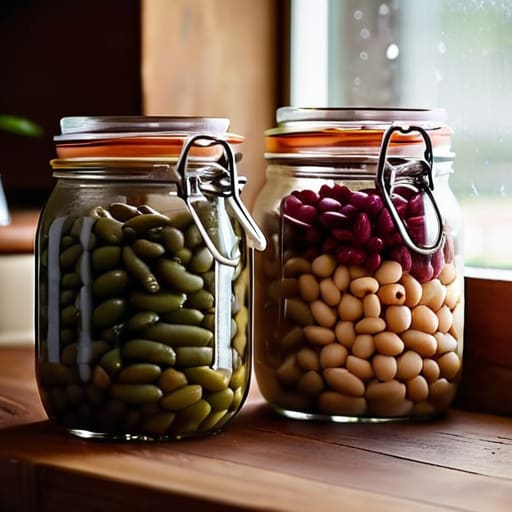
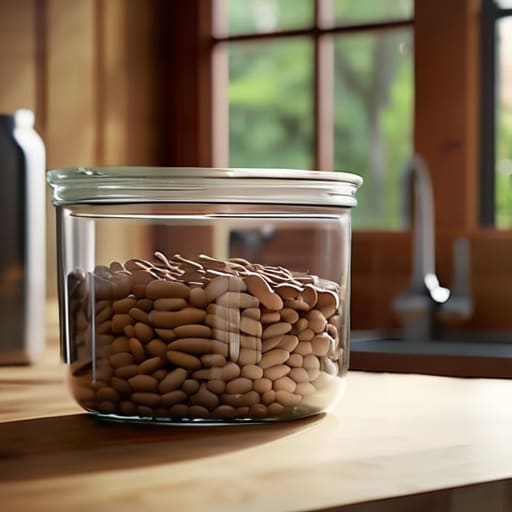
When I’m out in the field, I’m always struck by how much the environment dictates the quality of the harvest. The same logic applies right in your kitchen. If you want to honor the effort that went into your meal, you can’t just toss leftovers into a flimsy, loose-fitting lid. You need a serious airtight container for beans to act as a barrier against the elements. I always lean toward heavy-duty glass containers with thick silicone seals; they don’t leach flavors and, more importantly, they create a true vacuum that keeps oxygen—the enemy of freshness—at bay.
Think of the container as a protective microclimate for your food. If you aren’t sealing that environment properly, you’re inviting moisture to settle, which is the fastest way to start preventing bean mold growth from becoming an issue. I’ve seen too many people use cheap plastic that warps in the dishwasher, losing that tight seal. If you’re looking to keep things pristine, invest in something substantial. It’s about more than just organization; it’s about preserving the integrity of the textures and flavors you worked so hard to prepare.
The Truth About Refrigerating Cooked Legumes
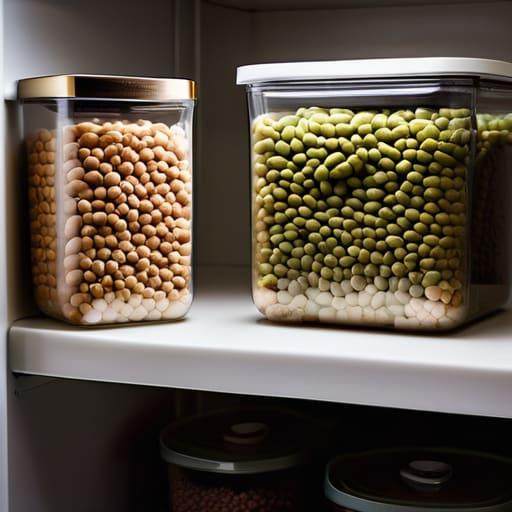
Now, I know what you’re thinking—if we treat our coffee cherries with such reverence, shouldn’t we do the same for the rest of our pantry staples? When it comes to refrigerating cooked legumes, there’s a bit of a debate in the kitchen, but I’ve always found that consistency is key. Much like how I monitor the humidity in my roasting room to protect the delicate oils in a fresh batch of beans, you need to keep an eye on the environment your legumes are living in. If you’re wondering how long do beans last in the fridge, you’re generally looking at a three-to-five-day window before that fresh, earthy flavor starts to turn.
But here’s the real kicker: moisture is the enemy. Just as I worry about moisture levels affecting the development of a light roast, you have to be vigilant about preventing bean mold growth. If you notice any slimy texture or a sour, off-putting aroma, those are clear signs of spoiled beans, and it’s time to let them go. If you’ve prepared a massive harvest of beans and know you won’t get to them by midweek, I highly recommend freezing cooked beans for meal prep instead. It’s the best way to lock in that “just-harvested” quality for the long haul.
Protecting the Harvest: My Golden Rules for Keeping Your Cooked Beans Fresh
- Treat them like a delicate harvest; once those beans have been cooked, they are at their peak, so don’t let them sit out on the counter for more than two hours. Just like I wouldn’t leave a freshly picked cherry out in the sun to wilt, you need to get your beans into the cold as soon as possible to halt any unwanted fermentation.
- Keep the liquid gold. If you’ve simmered your beans in a flavorful broth or aromatics, store them in that liquid. It acts as a protective barrier, much like the moisture levels in a controlled drying bed, helping to prevent the beans from drying out and losing that beautiful, creamy texture.
- Avoid the “double-dip” trap. I know it’s tempting to grab a spoonful straight from the storage container, but introducing bacteria from your utensils is a quick way to spoil the whole batch. Always use a clean spoon to portion them out, respecting the integrity of the food you’ve worked so hard to prepare.
- Portion your batches for efficiency. If you’ve cooked a massive pot, don’t try to eat it all at once or reheat the entire thing multiple times. Divide them into smaller, single-serve containers. It’s much like how I manage my green coffee inventory—smaller, controlled batches ensure that every single serving tastes as vibrant as the first.
- Give them a sensory check before you dive in. Before you heat them up, take a moment to look, smell, and feel. If the texture seems slimy or the aroma has turned sharp and sour, respect the process and toss them. Just as I can tell when a bean has gone past its prime by its scent, your nose will tell you if the safety of your meal is at risk.
Honoring the Harvest in Your Kitchen
At the end of the day, keeping your cooked beans safe is really just an extension of the respect we show to the ingredients themselves. Whether you’re opting for a high-quality airtight container to lock in moisture or making the call to move them into the fridge to prevent spoilage, the goal is the same: preservation. Remember that once those beans have been prepared, they are at their most vulnerable. By following these simple steps—cooling them down quickly and sealing them tight—you aren’t just following food safety protocols; you are ensuring that the hard work and nutrition contained within every single bean is fully protected for your next meal.
I often think about the farmers I’ve met in the highlands of Ethiopia or the hills of Colombia. They pour their entire lives into the soil, the processing, and the harvest, treating every single cherry with a level of reverence that is truly humbling. When you take the time to store your food properly, you’re carrying that same spirit of stewardship into your own home. It’s about more than just avoiding a bad meal; it’s about honoring the journey from the earth to your plate. So, treat your ingredients with care, respect the process, and you’ll find that every bite tells a much more delicious story.