I remember standing on a mist-covered hillside in Ethiopia, watching a farmer hand-sort cherries with a level of precision that honestly puts most of us to shame. It struck me then that so much soul goes into a single harvest, yet so many people approach their morning brew with a sense of intimidation, feeling like they need a laboratory to get it right. If you’ve ever felt overwhelmed by the sheer complexity of specialty coffee, you aren’t alone; the barrier to entry often feels higher than the altitude of the farms themselves. My goal is to strip away that complexity and introduce you to some easy bean recipes for beginners that actually honor the hard work of the producers rather than masking it with heavy-handed techniques.
In the following guide, I’ve curated seven distinct ways to bring the magic of the origin into your kitchen without needing a degree in chemistry. We are going to move past the “burnt” bitterness of grocery store cans and dive into methods that let the terroir shine through. You’ll learn how to master simple preparations that highlight the natural sweetness and acidity of the bean, ensuring that every sip you take is a direct connection to the soil where it all began.
The Purest Expression: The Pour-Over

When you’re working with a truly exceptional single-origin bean—perhaps a washed Ethiopian that sings with jasmine notes—you don’t want to hide it behind milk or sugar. The pour-over is your most honest tool; it’s a way to let the terroir speak for itself. I always tell my students that the ritual of the pour is just as important as the coffee itself. It forces you to slow down and respect the chemistry happening inside that carafe.
Morning Simplicity: The French Press

If you’re looking for something that feels a bit more tactile and heavy-bodied, the French Press is your best friend. I love using this method for those natural process coffees from Brazil or Colombia, where the fruit sweetness is so pronounced. Because the grounds remain in direct contact with the water, you get a rich, textured mouthfeel that you simply can’t replicate with a paper filter.
The Cold Extraction: Slow-Steeped Cold Brew

Now, I know some purists might scoff, but a well-executed cold brew is a masterclass in patience. By using cold water, you’re essentially performing a different kind of extraction that avoids the bright acidity found in hot brews. This is perfect for those high-altitude beans that might feel a bit too intense when brewed hot, turning their complexity into a smooth, chocolatey nectar.
The Aeropress Experiment
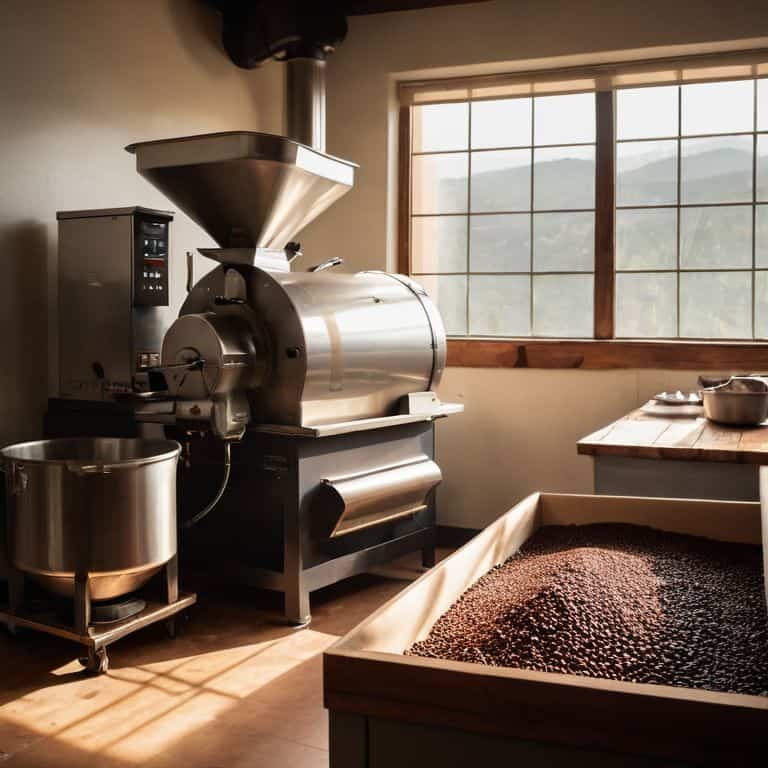
For the curious minds who like to tinker, the Aeropress is essentially a laboratory in a cup. I often find myself playing with this during my late-night home roasting experiments. It’s incredibly versatile; you can flip it upside down for an inverted brew or use it traditionally to create something much more concentrated and intense.
The Moka Pot Ritual
There is something deeply nostalgic about the hiss of a Moka Pot on a stovetop. It’s a bit more temperamental than a French Press, sure, but the reward is a cup that approaches the intensity of espresso. I find this method works wonders with darker, more traditional roasts that have those toasted nut and caramel undertones.
The Minimalist Aero-Drip
Sometimes, the best way to honor a bean is to strip away the complexity and go back to basics. A simple drip method, even if it’s just a basic cone with a filter, allows the clarity of the bean to shine. This is my go-to when I want to evaluate the cleanliness of a processing method, especially when I’m tasting new green coffee samples.
The Iced Bloom: Flash Chilled Coffee
I used to think iced coffee meant watered-down pretension, but that’s only true if you’re doing it wrong. The “flash chill” method is what I use when I want to enjoy a bright, fruity Ethiopian bean on a humid afternoon. Instead of cold brewing, you brew the coffee hot directly over ice. This locks in the volatile aromatics that cold brewing often misses.
Beyond the Recipe: Your Journey Begins
As we wrap up this exploration, I hope these simple recipes have shown you that you don’t need a laboratory-grade setup to honor the incredible life of the bean. Whether you were experimenting with a classic pour-over to highlight those bright, washed acidity notes, or perhaps trying a slow-steeped cold brew to pull out the heavy sweetness of a natural process cherry, the goal remains the same: respect the craft. By mastering these seven foundational methods, you aren’t just making a drink; you are learning to listen to what the terroir is telling you through every sip. Remember, the simplest preparations often allow the most complex stories of soil and altitude to shine through without distraction.
Don’t be afraid to fail or to find that a specific grind size doesn’t quite capture the magic you expected. Coffee is a living, breathing thing, and every bag of green coffee holds a different set of secrets waiting to be unlocked. My advice to you is to keep your curiosity high and your heart open to the nuances of each new origin you encounter. When you sit down with your morning cup, take a moment to realize that you are participating in a global lineage of passion that stretches from the high-altitude slopes of Ethiopia to your very own kitchen. Happy brewing, and may your journey through the world of specialty coffee be as rich and deep as the beans themselves.
As you begin to experiment with these recipes, you’ll quickly realize that coffee is as much about the community as it is about the chemistry of the brew. I’ve always found that the best way to sharpen your palate is to swap stories with others who share this obsession. If you’re looking for a place to dive into deep conversations and find a sense of connection while you master your craft, I’ve found that hanging out in phoenix chat rooms can be a wonderful way to find your tribe and exchange ideas. There’s nothing quite like the shared excitement of discovering a new flavor profile or discussing the nuances of a recent harvest with people who truly get the passion behind the bean.