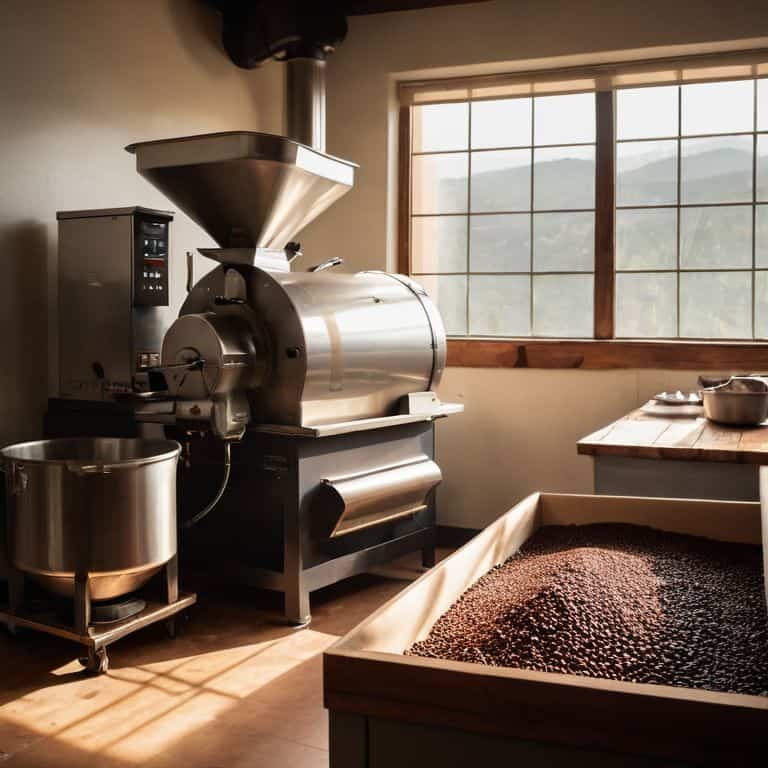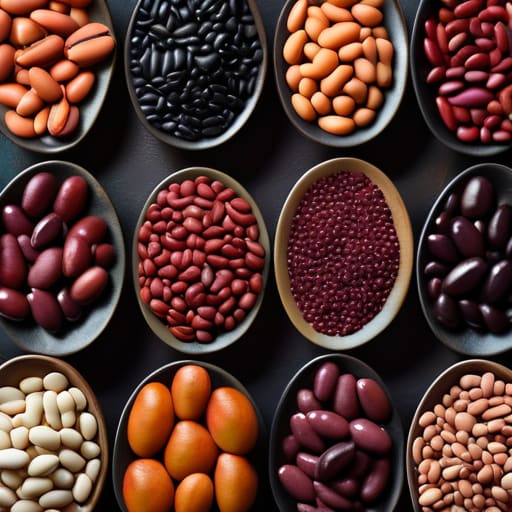
I remember sitting on a weathered wooden bench in a small village outside of Huila, watching a farmer sort through a mountain of dried cherries. He wasn’t looking for some “superfood” label or a marketing gimmick; he was looking for the soul of the crop. It struck me then how much we overcomplicate nutrition by chasing expensive, trendy supplements while ignoring the absolute powerhouse sitting right in our pantry. We tend to get stuck in a rut, eating the same two or three things every single week, completely missing out on the benefits of eating different bean varieties. Just like how a single-origin Ethiopian bean offers a bright, floral acidity that a heavy-bodied Brazilian bean simply can’t replicate, every legume brings its own unique terroir of nutrients to your body.
I’m not here to give you a lecture filled with clinical jargon or hollow health trends. Instead, I want to pull back the curtain and show you how to approach your plate with the same respect I give my roasting drum. I’ll be sharing the honest, grounded reality of how diversifying your beans can transform your health, treating every meal like a discovery of flavor and function.
Tracing the Diverse Legume Nutritional Profiles Across the Globe
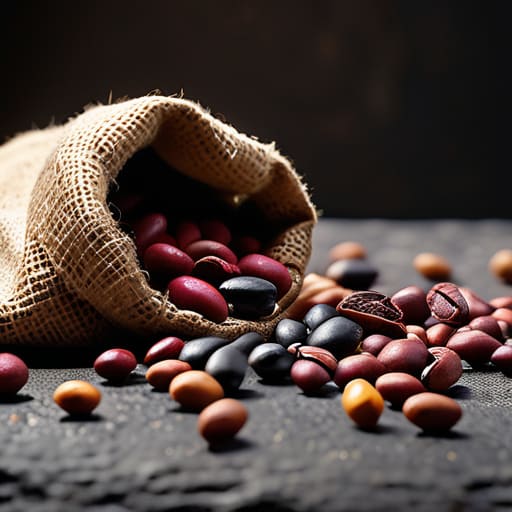
When I’m trekking through the high altitudes of Ethiopia or the rolling hills of Colombia, I’m constantly struck by how the environment dictates everything—not just the acidity of a coffee cherry, but the very essence of what the earth provides. I look at legumes through that same lens of geography. Just as a volcanic soil profile creates a distinct cup, the legume nutritional profiles found across different continents are shaped by the unique terroir of their origins. A lentil grown in the arid stretches of the Middle East carries a different density of nutrients than a kidney bean nurtured in the rich, loamy soils of the Americas.
To truly understand what we’re putting into our bodies, we have to look past the surface and examine the macronutrient breakdown of beans as if we were analyzing a cupping score. Some varieties act as heavy-hitters for sustained energy, while others are specialized for their incredible fiber content in different beans, supporting long-term gut health. It’s about more than just fuel; it’s about recognizing that every variety of edible legume is a concentrated vessel of the land’s history and vitality.
A Journey Through Vital Plant Based Protein Sources
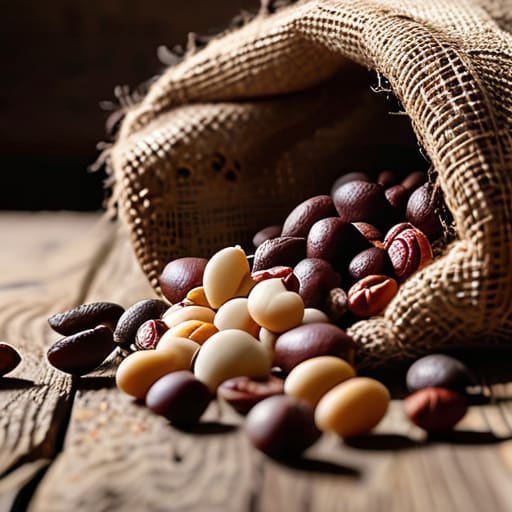
When I’m trekking through the high-altitude slopes of Ethiopia or the rolling hills of Guatemala, I’m constantly reminded that life is sustained by the earth’s most humble offerings. Just as a coffee farmer understands that the specific mineral composition of the volcanic soil dictates the brightness of a cherry, we must recognize that the diverse varieties of edible legumes act as the foundational architecture for our own vitality. Each bean is a tiny vessel of energy, shaped by the climate and the soil it called home.
If we look closely at the macronutrient breakdown of beans, we see a complexity that rivals the most intricate flavor profiles I’ve ever roasted. It isn’t just about sheer volume; it’s about the nuance. Whether you are reaching for the dense, earthy strength of a black bean or the creamy, delicate nature of a cannellini, you are tapping into a sophisticated network of nutrients. Exploring these different plant-based protein sources is much like exploring a new coffee origin—it requires a willingness to taste, to learn, and to respect the incredible biological history packed into every single seed.
Cultivating a Diverse Plate: Lessons from the Bean Harvest
- Embrace the Spectrum: Just as I wouldn’t judge a single-origin Ethiopian Yirgacheffe by the same standard as a heavy-bodied Sumatran, don’t limit your palate to just one type of bean. Rotating through lentils, chickpeas, and kidney beans ensures you aren’t just hitting one nutritional note, but creating a full-bodied profile of vitamins and minerals.
- Respect the Texture and Terroir: Every bean has a unique structural character shaped by its growth. When you mix varieties, you’re layering different textures—the creaminess of a cannellini against the bite of a black bean—which mimics the complexity of a well-balanced roast profile and keeps your digestion engaged.
- Seasonal and Varietal Awareness: I’ve learned in the high altitudes of Africa that timing is everything. Treat your legumes with that same respect; seek out heirloom varieties or seasonal pulses when possible. These often carry a more intense “nutritional terroir” than mass-produced, uniform crops.
- Slow Roasting vs. Slow Simmering: You wouldn’t rush a light roast, and you shouldn’t rush your beans. Preparing different varieties with appropriate soaking and simmering times preserves their integrity. This careful approach ensures you extract the maximum nutrient density, much like how I carefully manage the heat to unlock the sweetness in a cherry.
- Mindful Pairing for Completeness: Think of your meal like a perfect coffee pairing. Combining different bean varieties with whole grains creates a complete amino acid profile. It’s about harmony—ensuring that the “flavor notes” of your nutrition are as well-rounded and intentional as a masterfully brewed cup.
The Final Harvest
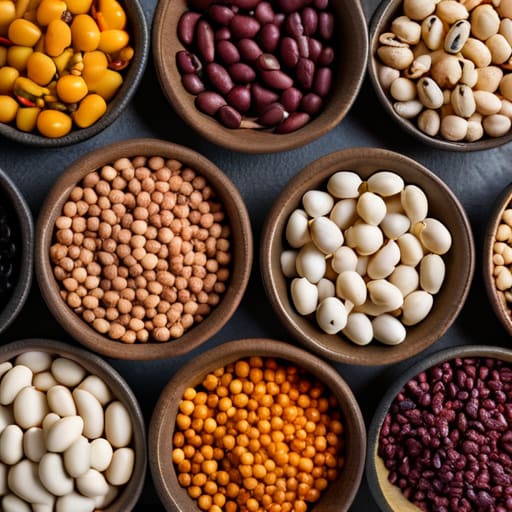
As we’ve traced the journey from the global soil to your dinner plate, it becomes clear that diversifying your pantry is much like diversifying your coffee bag. Just as I wouldn’t dream of drinking only one single-origin roast, limiting yourself to one type of legume means missing out on a vast spectrum of essential nutrients and textures. We have seen how different varieties offer a unique map of vitamins, minerals, and proteins that work in harmony to sustain your body. By embracing everything from the hearty black bean to the delicate lentil, you aren’t just eating; you are cultivating a more resilient and nourished version of yourself through the simple act of variety.
Ultimately, whether we are talking about the delicate acidity of a washed Ethiopian heirloom or the earthy richness of a well-seasoned kidney bean, the lesson remains the same: there is profound beauty in the diversity of the earth. I spent years walking through coffee groves, learning that the magic happens when we respect the unique character of every single seed. I encourage you to approach your next meal with that same sense of curiosity and reverence. Don’t just settle for what is easy; seek out the new, the unexpected, and the diverse. When you honor the incredible story behind every bean, you turn a simple meal into a celebration of life itself.
Whether you’re exploring the dense nutritional profile of a hearty lentil or the subtle nuances of a kidney bean, I’ve found that the best way to truly understand these ingredients is through shared experience and community knowledge. Just as I often find myself swapping stories with fellow roasters about the specific volcanic soil of a new harvest, you might find incredible value in connecting with people who live and breathe these culinary traditions every day. If you happen to be navigating the vibrant, multicultural food scene in Ontario, checking out a local chat in Toronto can be a fantastic way to discover authentic recipes and local tips directly from the people who know these ingredients best.