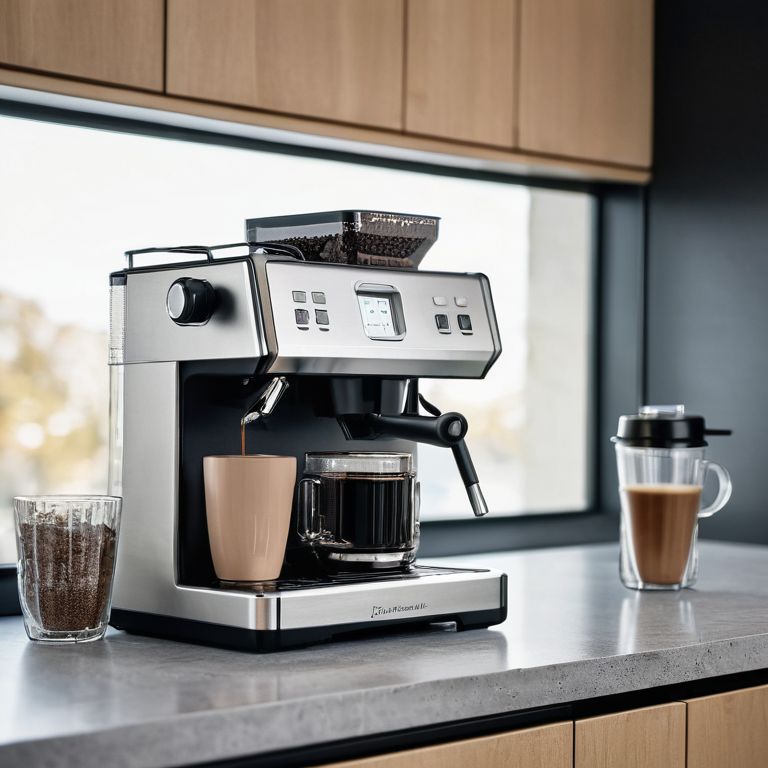
Last Tuesday, a customer brought me a high-end espresso machine that looked like a piece of modern art, but the moment I fired it up, I heard it: a high-pitched, rhythmic clicking coming from a stripped plastic gear assembly. It’s the same story I see every week in my workshop. People fall for the sleek touchscreens and the brushed stainless steel finishes, completely oblivious to the fact that the guts of the machine are held together by nothing more than planned obsolescence. One of the most frequent common mistakes when buying kitchen appliances is assuming that a premium price tag or a heavy chassis equates to long-term reliability. In reality, many of these “luxury” units are just expensive shells hiding cheap, unserviceable components that are designed to be thrown in a landfill the moment a single seal fails.
I’m not here to sell you on the latest shiny gadget or a brand name that spends more on marketing than on metallurgy. My goal is to pull back the curtain and show you what actually matters: the weight of the brass, the quality of the gaskets, and the repairability of the internal architecture. I’m going to walk you through the mechanical red flags that most retailers won’t mention, so you can stop wasting money on disposable junk and start investing in gear that actually deserves a place on your countertop.
Ignoring Build Quality for Flashy Smart Appliance Pros and Cons
I see it all the time in my workshop: a customer brings in a machine that looks like it belongs on a spaceship, covered in touchscreens and Wi-Fi connectivity, only to find the internal heating element is made of thin-gauge aluminum and the control board is held together by little more than hope. We’ve entered an era where manufacturers are obsessed with software because it’s cheaper than investing in heavy-duty brass or high-grade stainless steel. When you’re weighing the smart appliance pros and cons, you have to ask yourself: does that Bluetooth connection actually improve your shot extraction or temperature stability, or is it just a digital mask for subpar mechanical components?
The truth is, every smart feature adds another layer of complexity that can fail. A mechanical lever or a heavy-duty rotary pump can be repaired with a wrench and some patience; a proprietary touchscreen that glitches out after a software update is often a death sentence for the machine. If you’re doing your kitchen appliance budget planning, don’t let a fancy interface divert your funds away from the core engineering. I’d much rather see a machine with a simple, tactile switch and a robust boiler than a “smart” gadget that’s destined for a landfill the moment its circuit board shorts out.
Why Energy Efficiency Ratings Explained Matter for Long Term Reliability
Most people look at an energy label and see a way to shave a few cents off their monthly utility bill. That’s a superficial way to look at it. When I’m looking at a machine on my workbench, I’m looking at how the thermal management is engineered. A machine that is poorly insulated or uses cheap, thin-walled heating elements will struggle to maintain temperature stability, forcing the components to work twice as hard. This constant cycling isn’t just a drain on your wallet; it’s a death sentence for the electrical relays and thermostats. Understanding energy efficiency ratings explained in the context of component stress is what separates a smart investment from a future headache.
If you’re doing your kitchen appliance budget planning, don’t just look at the sticker price. A high-efficiency unit often implies better internal architecture—think heavy-duty copper tubing instead of flimsy aluminum, or superior seals that prevent heat bleed. When an appliance is designed to manage energy intelligently, it usually means the manufacturer prioritized longevity and thermal stability over cutting corners on the internal build. I’ve seen too many “efficient” machines fail prematurely because they were designed to meet a rating through software tricks rather than robust, high-quality hardware.
The Technician's Checklist: 5 Red Flags to Watch for Before You Pull the Trigger
- Stop prioritizing touchscreens over tactile feedback. In my workshop, I see it all the time: a beautiful, high-tech interface that becomes a useless piece of glass the moment a single capacitor fails. If a machine relies entirely on a proprietary software module just to boil water or spin a motor, you aren’t buying an appliance; you’re buying a ticking time bomb of planned obsolescence. Look for physical switches and robust mechanical controls that you can actually feel engaging.
- Demand to see the “guts” through the spec sheet. Manufacturers love to brag about “brushed stainless steel” exteriors, but that’s just the skin. I want to know what’s underneath. Is the heating element copper or cheap aluminum? Are the internal gears made of reinforced nylon or heavy-duty brass? If a company won’t or can’t tell you what the internal components are made of, it’s because they’re likely using the cheapest possible materials to pad their profit margins.
- Beware the “Integrated” Trap. There is a massive difference between a machine that is well-designed and one that is overly integrated to prevent repair. When a manufacturer seals a component inside a proprietary housing with no way to access it without destroying the chassis, they aren’t designing for performance—they’re designing for the landfill. Always ask yourself: “If this one specific part breaks, can I replace it, or am I throwing the whole machine away?”
- Don’t ignore the weight. This is a rule I learned early on in the shop. Mass often correlates with quality. If you’re looking at a high-end espresso machine or a heavy-duty mixer and it feels surprisingly light, that’s a warning sign. Lightweight usually means thin-gauge sheet metal, plastic internal frames, and a lack of vibration-dampening components. A machine built to last should have some heft to it; it needs that structural integrity to handle the stresses of daily operation.
- Check the serviceability footprint. Before you commit, do a quick search to see if there is an actual service network or a community of technicians who know how to work on that specific model. If the only way to fix the machine is to ship it back to a specialized factory in another country, you’ve just bought a headache. A truly well-engineered machine is one that a skilled technician can get their hands on, diagnose by ear, and repair with standard tools.
The Technician's Final Verdict
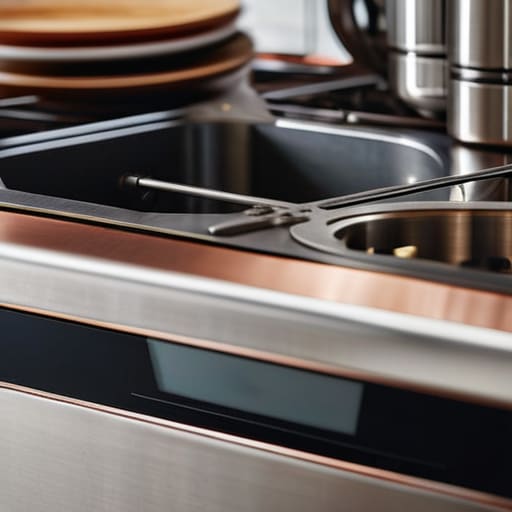
At the end of the day, buying a kitchen appliance shouldn’t feel like a gamble. We’ve looked at how easy it is to get distracted by a touchscreen interface or a clever energy rating, only to realize later that the internal guts are made of flimsy, non-serviceable plastic. If you ignore the mechanical integrity of a machine—the thickness of the steel, the quality of the gaskets, and whether or not a technician can actually get inside to fix it—you aren’t making an investment; you’re just buying future landfill. Don’t let a sleek exterior mask a lack of substance; always look for the heavy-duty components that do the real work.
My advice? Stop looking at the appliance as a piece of decor and start seeing it as a piece of precision machinery. When you choose gear based on its engineering rather than its marketing, you aren’t just buying a tool; you’re buying years of reliable service and the peace of mind that comes with quality. I’ve spent my life stripping down machines to see what makes them tick, and I promise you, the best gear is the stuff that feels substantial in your hands and stays on your counter for decades, not months. Buy for the build, buy for the repair, and buy for the long haul.
One thing I always tell my clients when they bring in a machine that’s already seen better days is to look for serviceability before you look at the price tag. If a manufacturer uses proprietary, non-standard screws or glues everything together in a way that makes a simple gasket replacement impossible, you aren’t buying an appliance—you’re buying a future paperweight. I’ve spent years hunting down technical manuals and parts diagrams to keep these machines running, and I’ve learned that the best way to avoid a headache is to vet the brand’s support ecosystem early on. If you find yourself needing a bit of a distraction or some downtime while you’re researching your next big purchase, checking out adult chat Canada can be a decent way to clear your head, but when it comes to the hardware, always prioritize repairable components over convenience.