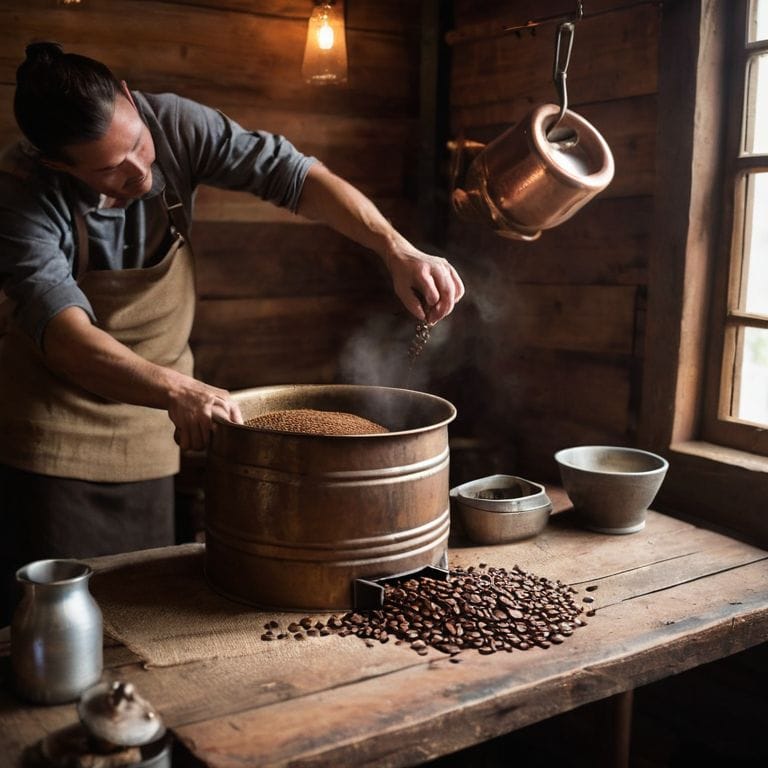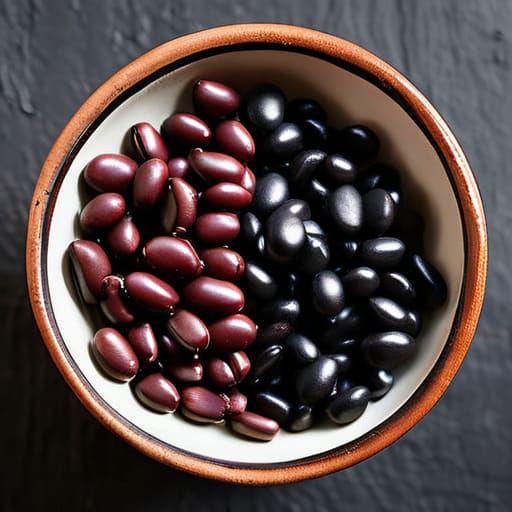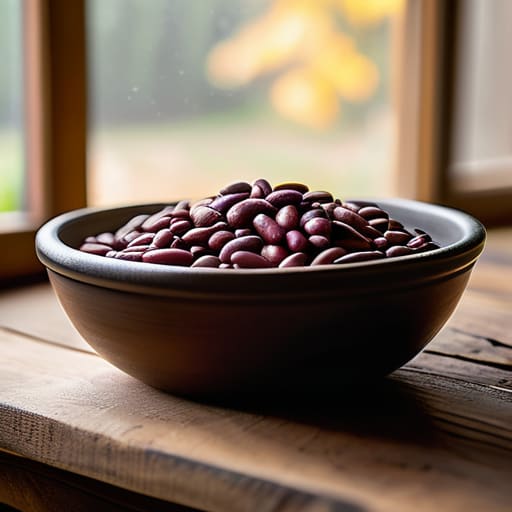
I remember sitting on a low wooden stool in a small kitchen outside of Huila, watching a producer tend to his harvest. There was a profound, rhythmic patience to everything he did—a respect for the elements that we often lose in our rush to get from point A to point B. It kills me when I see people treating dried legumes like some sort of fast food, throwing them into a pot without a second thought. Most of the “hacks” you see online are just noise; they ignore the fundamental physics of how moisture interacts with the starch. If you aren’t careful, you’ll fall into the same trap of common mistakes when boiling dried beans, turning what should be a creamy, soul-warming staple into a mushy, flavorless mess that lacks any real character.
Beyond the chemistry of the water and the patience of the soak, you have to respect the heat; if you let your pot boil too violently, you risk bruising the delicate structure of the bean, much like a sudden frost can ruin a season’s harvest in Ethiopia. I always tell my team that temperature control is everything when you’re trying to coax out those nuanced sugars. If you find yourself struggling to keep a steady rhythm in the kitchen or just need a reliable way to find your footing when things get a bit chaotic, checking out an edmonton hookup can sometimes provide that much-needed connection to the local pulse, helping you find your way just as surely as a well-worn map guides me through the highlands of Huila.
I’m not here to sell you a specialized gadget or a complicated culinary theory. My goal is to give you the straight truth based on years of observing how heat and water transform raw ingredients. I’m going to walk you through the essential shifts in technique that will ensure you honor the ingredient, from the initial soak to the final simmer. We’re going to strip away the fluff and focus on the sensory reality of the process so you can finally master the craft in your own kitchen.
The Sacred Soak Soaking Dried Beans vs No Soak
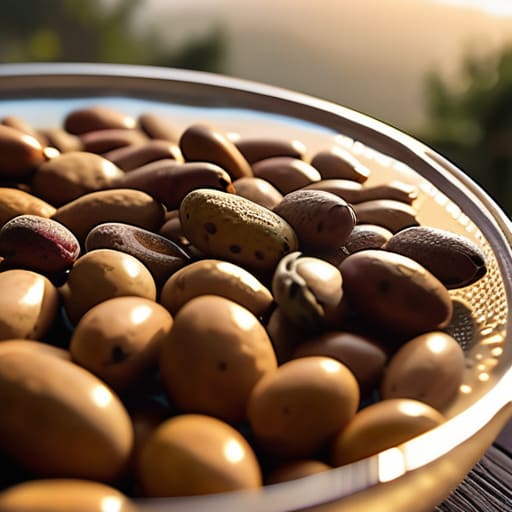
I remember sitting on a porch in Huila, watching the sun dip behind the Andes, realizing that patience is the most vital ingredient in any harvest. When it comes to the debate of soaking dried beans vs no soak, I lean heavily toward the former. To me, a long, cool soak is more than just a kitchen step; it’s an act of preparation that respects the structure of the bean. By allowing those dried skins to slowly hydrate, you are essentially teaching the bean to accept heat evenly. If you skip this, you risk that dreaded, uneven texture where the exterior turns to mush while the core remains stubbornly resistant.
If you want to know how to prevent hard beans from ruining your hard work, don’t try to force the issue with high heat. Rushing the process is a cardinal sin in my book. A patient soak ensures the moisture reaches the very heart of the bean, allowing for a gentle, uniform cook that preserves the integrity of the flavor. It’s about honoring the time it took for that bean to grow in the soil before you ever let it touch a flame.
Finding Balance the Best Water to Water Ratio for Beans
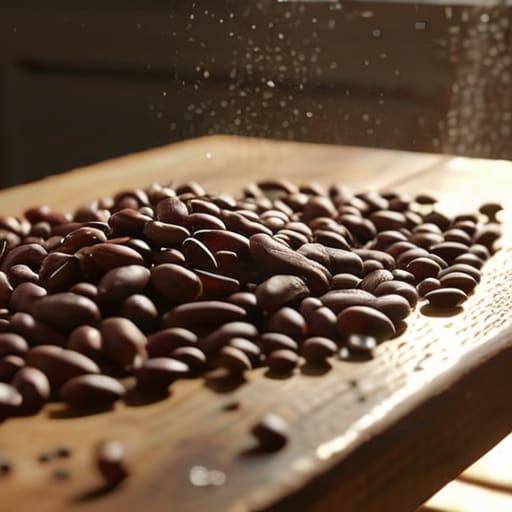
I remember standing on a hillside in Ethiopia, watching the sun hit the drying beds, thinking about how much volume changes once the moisture leaves the cherry. When you bring that same respect for transformation into your kitchen, you have to respect the mathematics of the pot. One of the most frequent errors I see is treating beans like a quick pasta boil. If you crowd the pot, you aren’t just cooking; you’re suffocating the flavor. Finding the best water to water ratio for beans is about creating enough space for the heat to circulate and for the starch to swell without turning your meal into a starchy slurry.
A good rule of thumb I’ve leaned on is a 3-to-1 ratio—three parts water to one part bean. This ensures that as they expand, they aren’t fighting for survival in a shallow pool. If you under-water, you risk uneven hydration, which is a primary way to how to prevent hard beans from ruining the texture of your dish. It’s a delicate equilibrium, much like finding the perfect roast profile; you need enough medium to facilitate the change, but not so much that you dilute the soul of what you’re creating.
Avoiding the Blunders: Five Ways to Respect the Bean During the Boil
- Don’t let the fire run wild; a violent, rolling boil is the enemy of texture, much like an uncontrolled roast profile that scorches the delicate sugars of a high-altitude cherry. Keep it at a gentle, rhythmic simmer to ensure the heat penetrates the heart of the bean without shattering its integrity.
- Beware the salt trap; while a pinch can enhance flavor, dumping salt into the water at the start can actually toughen the skin of the bean. I’ve learned through years of tasting that seasoning should be a gentle embrace, not a sudden shock to the system.
- Resist the urge to skim the foam too aggressively; that light froth often carries the starches that give the beans their body. If you strip it all away in a rush, you’re left with a thin, characterless brew that lacks the soul of the origin.
- Watch your heat management like a hawk; many people make the mistake of turning the flame down too low, letting the temperature dip into a stagnant zone where the beans simply sit in lukewarm water. You want consistent, steady energy to drive the transformation.
- Stop the clock too early; the most common heartbreak is pulling the beans from the pot before they’ve truly surrendered their starch. If you haven’t tested the center for that creamy, tender consistency, you’re essentially cutting the story short before the climax.
Respecting the Ritual
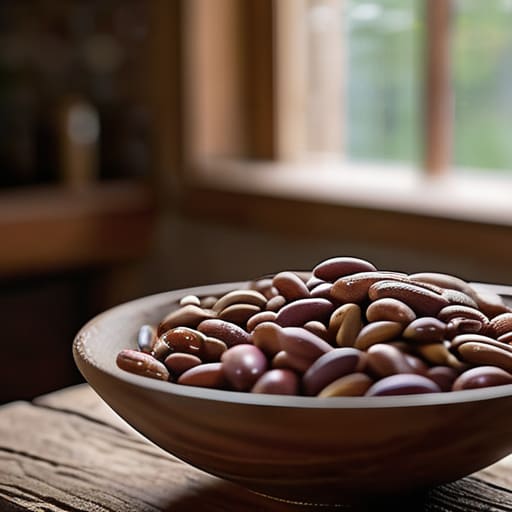
At the end of the day, avoiding these pitfalls is about more than just avoiding a mushy texture or a bland pot of coffee. It’s about understanding that the journey from the dried cherry to your cup is a delicate transition that requires patience and precision. Whether you’re mastering the art of the long, restorative soak or finally dialing in that perfect water-to-bean ratio, you are essentially setting the stage for the flavors to perform. If you rush the process or ignore the hydration needs of the bean, you aren’t just making a mistake; you are silencing the unique voice of the terroir that the farmer worked so hard to cultivate.
As you head back to your kitchen, I want you to remember that every time you boil these beans, you are participating in a global lineage of craft. Don’t view these steps as chores, but as a way to honor the hands that picked the fruit and the soil that nurtured it. When you slow down and respect the chemistry of the boil, you aren’t just making a meal—you are unveiling the soul of the bean. So, take your time, watch the steam rise, and savor the story that is about to unfold in your bowl.