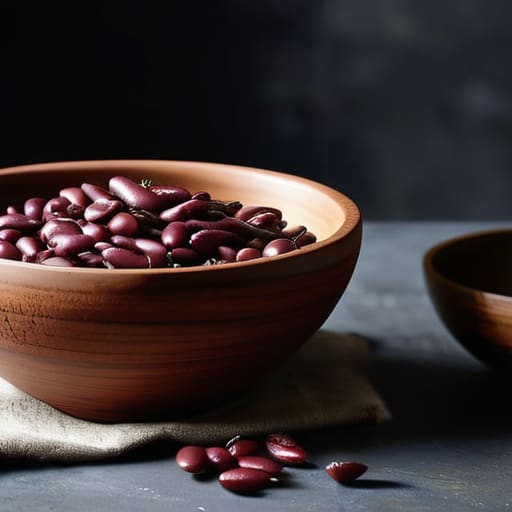
I remember sitting in a small kitchen in Oaxaca, watching a farmer prepare a simple meal, and realizing that whether you’re working with a coffee cherry or a legume, the preparation is everything. Most people treat pantry staples as an afterthought, standing in the grocery aisle paralyzed by the choice between convenience and quality. They wonder about the real difference between canned and dried beans—is it just about the time saved, or are we sacrificing the very soul of the ingredient? To me, it’s a question of respecting the journey of the food, much like how a rushed roast can never capture the nuance of a high-altitude harvest.
I’m not here to give you a sanitized, textbook answer or some marketing fluff. I want to pull back the curtain on how these two methods actually affect the texture, the flavor profile, and the ritual of your cooking. I’ll walk you through the honest, experience-based realities of both options so you can decide which one honors your time and your palate. Whether you’re looking for a quick weeknight fix or a slow-simmered masterpiece, we’re going to find the right path for your kitchen.
The Patient Art of Dried Beans
When you finally sit down to enjoy that perfectly simmered pot of beans, I find that the experience is always heightened when you lean into the sensory details of the moment. Whether you’re savoring the earthy depth of a slow-soaked heirloom variety or just need the reliable comfort of a quick pantry staple, it’s all about creating a space where you can truly unwind and connect. Sometimes, finding that mental escape is just as vital as the meal itself; I often find myself seeking out a bit of human connection or a lively erotic chat to spark a different kind of intimate energy after a long day of laboring over the stove. It’s those small, personal diversions that turn a simple meal into a full-bodied experience.
Dried beans are legumes that have been harvested and left to dehydrate naturally, preserving their structural integrity and shelf life for months or even years. By removing the moisture content, you are essentially locking in the raw potential of the legume, allowing it to remain in a state of suspended animation until you decide to rehydrate it.
When I look at a bag of dried beans, I don’t just see pantry staples; I see a commitment to the process. Much like the way I meticulously monitor the drying beds on a farm in Ethiopia to ensure the perfect moisture profile, working with dried beans requires a certain level of intentionality and respect for time. There is a profound, tactile satisfaction in the long soak—watching a hard, stone-like seed slowly swell and soften, transforming into something creamy and soulful. It’s a slow ritual that honors the ingredient, demanding that you slow down and participate in its journey from a simple seed to a centerpiece of your meal.
The Instant Gratification of Canned Beans
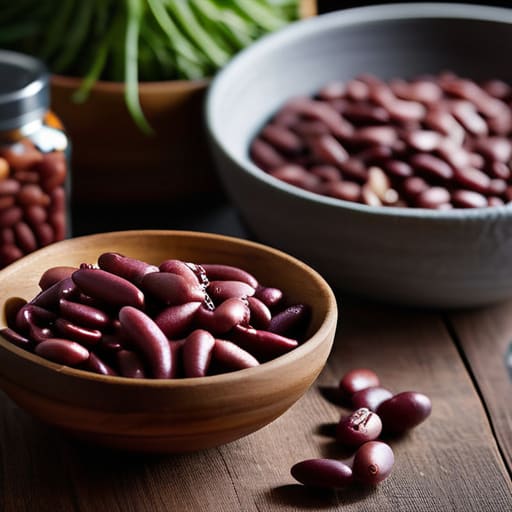
Canned beans are legumes that have been cooked in water or brine and then sealed in airtight metal containers to ensure immediate readiness for consumption. The primary advantage of this method is the unrivaled convenience it offers, providing a fully prepared ingredient that bypasses the lengthy soaking and simmering stages required by their dried counterparts.
In my line of work, I spend a lot of time obsessing over the minute details of processing, but I also understand the reality of a busy life. While I’ll always have a deep reverence for the traditional ways, there is a practical beauty in the efficiency of a well-made can. Sometimes, after a long day of cupping and roasting, you don’t want to manage a twelve-hour soak; you just want the nourishment. Canned beans offer a reliable, consistent texture that can act as a dependable foundation for a quick meal, serving as a bridge between the desire for wholesome food and the unforgiving pace of the modern world.
Comparison of Canned vs. Dried Beans
| Feature | Canned Beans | Dried Beans |
|---|---|---|
| Preparation Time | Instant (ready to eat) | Long (requires soaking/boiling) |
| Cost per Serving | Higher | Lower |
| Shelf Life | Moderate (years) | Very Long (years/decades) |
| Texture Control | Soft/Uniform | Highly customizable |
| Sodium Content | Higher (in brine) | Minimal (user-controlled) |
| Best For | Quick meals/Salads | Slow cooking/Bulk prepping |
| Storage Space | Bulky (cans) | Compact (bags/jars) |
Honoring the Slow Soak How to Prepare Dried Beans From Scratch
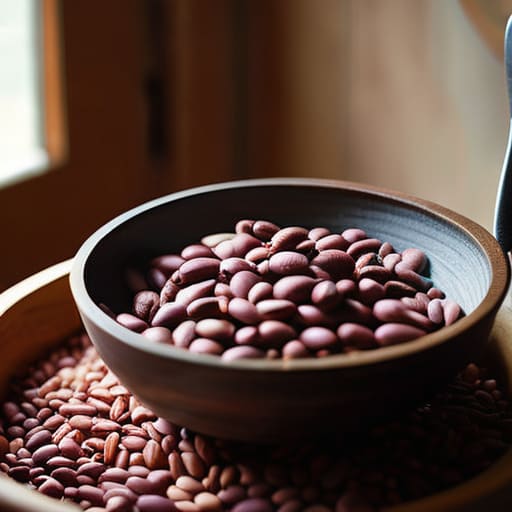
There is a certain meditative quality to the ritual of preparation that canned goods simply cannot touch. When we talk about the difference between canned and dried beans, we aren’t just talking about convenience; we are talking about the integrity of the ingredient. To me, prepping dried beans is much like the slow, careful drying of a coffee cherry on a raised bed—it requires patience, but that patience is what allows the true character of the bean to emerge.
With canned beans, the story is already written; they are steamed in a pressurized environment, which offers instant gratification but often leaves them with a uniform, slightly mushy texture. You’re essentially eating a finished snapshot. Dried beans, however, demand your participation. Through a long soak and a gentle simmer, you control the hydration and the seasoning from the inside out, allowing the starch to develop a creamy, soulful mouthfeel that a tin can simply can’t replicate.
If you are looking for a shortcut, the can wins. But if you want to honor the journey of the bean and achieve a depth of flavor that lingers, dried beans are the undisputed champion.
The Quick Simmer Finding the Best Beans for Quick Meals
Sometimes, life moves faster than a slow-drip pour-over. There are those evenings when you’ve spent all day chasing the perfect light for your film photography or navigating the complexities of a new harvest, and the last thing you want to do is wait hours for a soak. In the debate between canned and dried beans, this is where the rhythm of your kitchen meets the reality of your schedule.
When you’re staring down a deadline or a hungry family, canned beans are your immediate lifeline; they are ready to hit the pan the moment they’re opened, offering a seamless transition from pantry to plate. Dried beans, however, demand a level of foresight that doesn’t always align with a frantic Tuesday night. While a dried bean can certainly be cooked quickly if you’ve pre-soaked it, the raw, unsoaked variety is a commitment that simply cannot be rushed without sacrificing texture.
If your goal is efficiency and reclaiming your time without a massive ritual, the canned bean is the undisputed winner for quick meals. It’s not about perfection; it’s about honoring your own pace.
Choosing Your Path: The Heart of the Meal
When you strip away the convenience and the labels, the choice between canned and dried beans really comes down to what you want to honor in your kitchen. If you are chasing that deep, complex profile that only comes from a long, slow soak and a gentle simmer, dried beans are your undisputed champion; they offer a texture and a soulful depth that no factory can replicate. On the other hand, canned beans aren’t a failure of craft—they are a tool for the modern life, providing a reliable, quick way to bring nourishment to the table when time is your scarcest resource. Both have their place in a well-stocked pantry, whether you are seeking the unmatched nuance of a slow-cooked stew or the efficiency of a mid-week sauté.
Ultimately, whether you are tending to a pot on the stove for hours or simply popping a lid, remember that you are participating in a tradition that spans centuries and continents. Just as I look at a map of the Ethiopian highlands to understand the terroir of a coffee cherry, I view every bean as a gift from the earth and the hands that harvested it. Don’t let the method dictate your passion; let your intent guide you. Cook with respect for the ingredient, and you will find that even the simplest meal can become a profound celebration of the journey from the field to your fork.