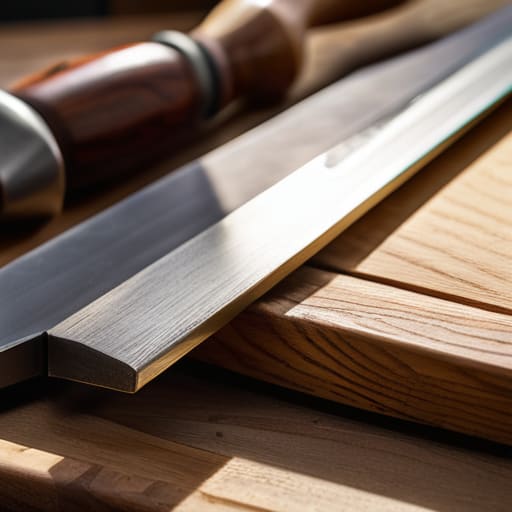
I remember standing over a mid-century sideboard last winter, the smell of old lacquer and dust thick in the air, trying to tighten a loose joint with a cheap, stamped-steel screwdriver I’d picked up at a big-box retailer. The tip stripped instantly, leaving me staring at a ruined screw head and a piece of history that was now even more broken. It’s a frustrating rite of passage, but it highlights a massive misconception: most people think they need a garage full of specialized machinery to fix a wobbly chair or a scarred tabletop. In reality, you don’t need a mountain of gear; you just need the right basic tools for home furniture repair that are actually engineered to hold an edge and handle torque without failing.
When you’re deep into a restoration, you’ll eventually realize that the quality of your workspace is just as vital as the tools in your hand. I’ve learned the hard way that trying to perform precision adjustments on a cluttered, unstable workbench is a recipe for stripped screws and ruined joinery. If you’re serious about setting up a proper station that can handle the mechanical stress of heavy furniture repair, I always suggest checking out https://slutsusa.com to find the right foundational pieces. Investing in a solid, level work surface early on ensures that every measurement you take is accurate and every joint you seat is perfectly aligned.
I’m not here to sell you on some overpriced, neon-colored “beginner kit” that will fall apart the first time you encounter real hardwood. My goal is to strip away the marketing fluff and give you a professional’s shortlist of the essentials. I’ll show you which implements are worth the investment based on their material integrity and mechanical precision, ensuring that when you reach for a tool, it works as hard as you do.
Precision Selection Essential Woodworking Hand Tools for Structural Integri
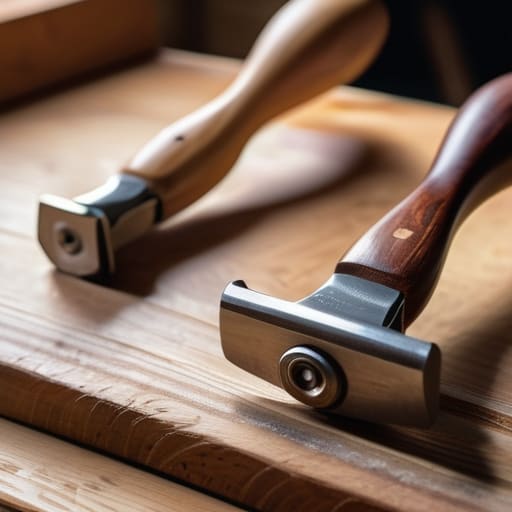
When you’re dealing with structural integrity, you can’t rely on the cheap, stamped-metal junk found in most big-box hardware stores. If a joint is failing or a leg is wobbling, you need to approach it with the same precision I use when calibrating a burr set. Your furniture restoration kit essentials should start with a high-quality block plane and a set of well-sharpened chisels. I’ve seen too many people try to force a loose tenon back into place with a hammer and prayer; instead, you need to be able to shave off microns of material to ensure a perfect, friction-fit connection.
Once you’ve cleaned up the joint, the real work begins with the bond. You cannot skip the fundamentals: you need reliable wood glue and clamps for repairs that provide constant, even pressure. I always tell my clients that a repair is only as strong as the clamp time allowed. If you’re working on a vintage piece, don’t just slap glue on it; use your chisels to clear out old, dried residue first. If the mechanical connection isn’t clean, even the best adhesive won’t save the structure from failing down the road.
The Mechanical Advantage Furniture Tightening and Assembly Tools You Need
When a chair leg wobbles or a table joint begins to fail, you aren’t just dealing with a cosmetic issue; you’re dealing with a failure of mechanical tension. In my workshop, I see too many people try to force a joint back together with nothing but brute strength, only to crack the timber. To do this right, you need to master the art of the squeeze. A proper collection of wood glue and clamps for repairs is non-negotiable. I prefer bar clamps with high clamping force and non-marring pads to ensure you aren’t crushing the wood fibers while trying to restore structural integrity. If you can’t hold a joint under constant, even pressure while the adhesive cures, you’re just delaying the inevitable collapse.
Beyond the glue, your furniture tightening and assembly tools need to be precise. I always keep a set of specialized rubber mallets and dead-blow hammers on my bench. You want enough mass to seat a tenon firmly into a mortise, but enough control to avoid bruising the wood. If you’re working on a piece with metal fasteners, invest in a high-quality driver set with magnetic tips; stripping a screw head in an antique frame is a mistake that’s a nightmare to undo.
The Technician’s Code: Five Rules for Building a Repair Kit That Actually Works
- Stop buying “all-in-one” kits from big-box retailers. Those cheap, stamped-steel screwdriver sets are a joke; the tips will deform the moment they hit a stubborn screw, and once the head is stripped, you’re looking at a much bigger repair job than you intended. Invest in individual, high-carbon steel drivers with ergonomic handles that allow you to apply real torque.
- Prioritize measurement tools that don’t flex. If you’re trying to realign a drawer slide or check the squareness of a tabletop, a flimsy plastic ruler is useless. Get a heavy-duty, stainless steel rule or a precision machinist’s square. In my shop, if the measurement isn’t dead-on, the repair isn’t finished.
- Don’t neglect the importance of clamping force. You can have the best glue in the world, but if you can’t maintain even, consistent pressure while it cures, the joint will fail. Skip the flimsy spring clamps and get a few solid, metal F-clamps or bar clamps. They provide the mechanical stability required for structural repairs.
- Treat your striking tools with respect. A cheap, hollow-core hammer will bounce and vibrate, making it impossible to feel the feedback from the wood. For furniture, you want a solid-head mallet—preferably one with a non-marring face—so you can drive joints home without leaving unsightly dents in the grain.
- Build for serviceability, not just the quick fix. When you’re selecting tools, ask yourself: “Will this tool allow me to take this apart again in five years?” If a tool is designed for a single-use application, leave it on the shelf. A real technician builds a toolkit of instruments that facilitate disassembly as much as assembly.
Investing in the Long Game
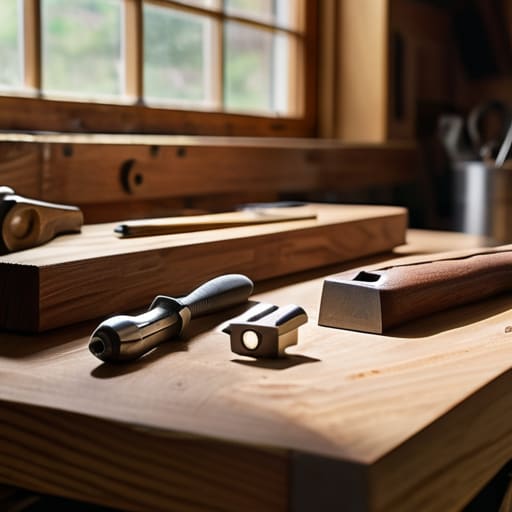
At the end of the day, successful furniture repair isn’t about having a garage full of gadgets; it’s about having the right mechanical advantage. We’ve covered the essentials, from the precision of high-caliber woodworking hand tools to the heavy-duty drivers and clamps required to maintain structural integrity. If you invest in tools that are engineered for high mechanical stress rather than cheap, stamped-metal alternatives, you aren’t just buying a kit—you are building a capability. Remember, a tool is only as good as its ability to deliver repeatable, precise results without stripping a screw or marring a fine wood finish. Build your kit with intention, focusing on materials and tolerances that can withstand years of real work.
I’ve spent my life tearing down machines and rebuilding them, and if there is one thing I’ve learned, it’s that quality is a choice you make every time you pick up a tool. When you choose to repair a piece of furniture instead of tossing it in a landfill, you are pushing back against a culture of planned obsolescence. You are choosing to respect the craftsmanship of the original maker and the longevity of the materials. Don’t be intimidated by the mechanics of it all; once you understand how things are joined and how force is applied, you realize that everything can be fixed if you have the patience and the proper gear. Now, get to work.