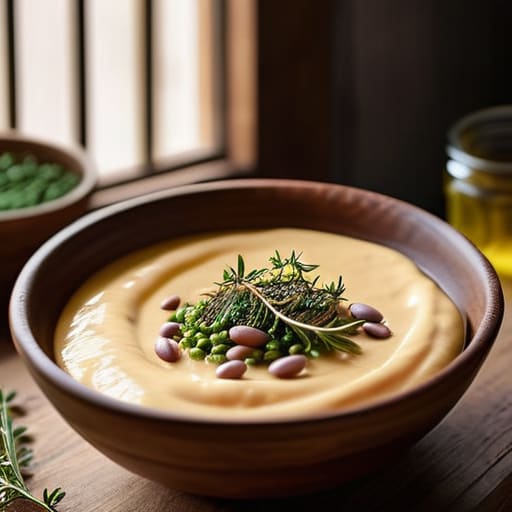
I remember standing in a small, sun-drenched kitchen in the highlands of Ethiopia, watching a local producer prepare a simple mash of legumes that had been soaking since dawn. Most people think that learning how to make homemade bean puree requires expensive gadgets or a complicated list of additives to get that perfect, creamy consistency. They treat it like a chemistry experiment, but they’re missing the soul of the ingredient. The truth I learned amidst the scent of drying cherries and rich, volcanic soil is that simplicity is your greatest tool; it’s about respecting the texture and the inherent character of the bean itself.
In this guide, I’m going to strip away the fluff and show you the honest, tactile way to approach this process. I won’t give you any of that over-processed, factory-style nonsense; instead, I’ll share the experience-based techniques I’ve gathered from years of observing how food is prepared in the world’s most incredible growing regions. We are going to focus on honoring the texture and the natural essence of your beans, ensuring that every spoonful feels as intentional as a perfectly pulled shot of espresso.
Recipe Details
Ingredients
- 2 cups dried cannellini beans, soaked overnight
- 4 cups vegetable broth
- 2 tablespoons extra virgin olive oil
- 1 clove garlic, smashed
- 1/2 teaspoon sea salt
- 1/4 teaspoon black pepper
Recipe Instructions
Step 1
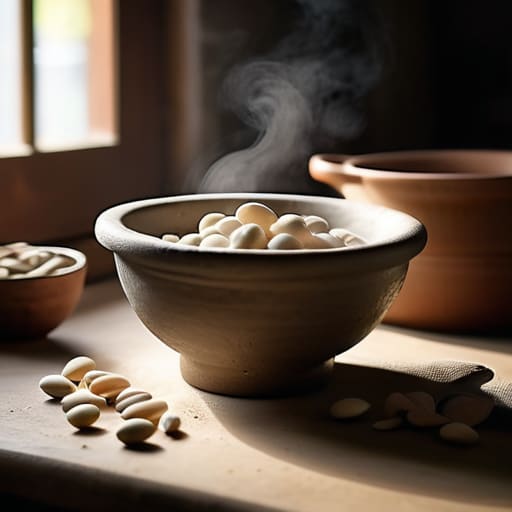
Before you even touch a blender, you need to select your base with the same intention I use when choosing a new micro-lot of cherries. Whether you’re working with creamy cannellini or hearty chickpeas, ensure they are thoroughly rinsed to remove any excess starch or debris that might cloud the final texture.
Step 2
Place your beans into a heavy-bottomed pot and cover them with fresh, filtered water, making sure there is at least two inches of liquid above the surface. Bring the water to a gentle simmer—never a violent boil—to respect the delicate structure of the bean, allowing them to soften without breaking apart too prematurely.
Step 3
As the beans cook, keep a close eye on the water levels; you want them tender enough that they yield easily to a gentle press, much like a perfectly ripe coffee cherry. If you find they are absorbing liquid too quickly, add a splash more water to ensure they stay perfectly hydrated throughout the process.
Step 4
Once the beans have reached that ideal, velvety softness, drain any excess liquid and transfer them into your blender or food processor. I always recommend adding a small amount of the cooking liquid or a high-quality olive oil to help create a seamless emulsion that honors the natural richness of the legume.
Step 5
Begin blending on a low speed, gradually increasing it to find that specific consistency you’re looking for. If you want a rustic, textured puree that feels grounded, stop early; however, if you crave something as smooth as a perfectly pulled espresso, continue blending until the mixture is completely uniform and luscious.
Selecting the Best Beans for Pureeing Each Origin
When you’re deep in the process of experimenting with different textures, I’ve found that the mental headspace you bring to the kitchen is just as vital as the quality of your cherries. Much like how I find clarity while developing a roll of film in a darkroom, finding a moment of personal connection can turn a simple culinary task into a meditative ritual. If you ever find yourself needing a little extra distraction or a way to unwind after a long day of perfecting your craft, exploring a community like Adultchatusa can be a wonderful way to recharge your spirit before diving back into your next batch.
When I’m scouting new lots in the highlands of Ethiopia or the volcanic slopes of Guatemala, I’m always thinking about the soul of the fruit. For this particular preparation, you aren’t just looking for any legume; you are looking for the best beans for pureeing based on their starch content and density. I always lean toward varieties that have been grown in nutrient-rich, well-drained soil, as this often translates to a more robust structure. If you want to achieve that elusive, velvety mouthfeel that mimics the richness of a high-altitude harvest, look for beans that feel substantial and firm to the touch.
The secret to a truly professional result lies in how the bean’s natural sugars interact with your aromatics. While I usually obsess over the acidity of a coffee cherry, when it comes to a savory mash, I focus on how the bean’s origin profile can be enhanced. To ensure a creamy bean puree texture, I recommend selecting older, more matured beans which tend to break down more gracefully under heat. It’s all about respecting the integrity of the ingredient, ensuring that every spoonful honors the journey from the earth to your table.
Mastering Creamy Bean Puree Texture Through Patient Craft

Achieving that perfect, velvety mouthfeel isn’t just about the mechanics of your blender; it’s about respecting the structural integrity of the legume. I often tell my team that much like a delicate light roast, you can’t rush the process without losing the soul of the ingredient. To achieve a truly creamy bean puree texture, patience is your most vital tool. If you find the mixture resisting, don’t just crank up the speed—add a splash of warm, seasoned liquid. This allows the starches to hydrate fully, ensuring the final result isn’t just thick, but luxuriously smooth.
I also find that the way you handle the mash after blending can change everything. If you’re looking for some smooth bean puree tips, try passing your mixture through a fine-mesh sieve. It’s an old-school technique I learned while traveling through small villages in Oaxaca, and it makes all the difference in removing any lingering skins. Once you’ve reached that ideal consistency, remember that storing homemade bean puree in airtight glass containers will help preserve those delicate, earthy aromatics you worked so hard to cultivate.
The Roaster’s Secrets: Fine-Tuning Your Puree for Maximum Expression
- Respect the Soak: Just as I wait for the perfect development time in the drum, you must give your beans time to hydrate. Soaking them in warm water before blending ensures the texture is velvety rather than gritty, honoring the structural integrity of the bean.
- Temperature is Everything: Don’t rush the heat. Using lukewarm water during the blending process prevents the fats within the bean from separating, which can happen if you go too hot too fast, much like how a roast profile can break if pushed too aggressively.
- Balance the Earthy with the Acidic: When you’re blending, think about the terroir. If you’re using a bean with high acidity, a touch of salt can help bridge the gap between the bright notes and the creamy base, much like how a specific soil pH affects the final cup.
- Don’t Overwork the Texture: There is a fine line between a smooth puree and a broken emulsion. Blend in short, intentional bursts. You want to achieve a consistency that feels intentional and cohesive, not a soupy mess that loses the character of the origin.
- Season with Intention: Treat your ingredients like a micro-lot. Instead of heavy-handed spices, use small amounts of aromatics that complement the bean’s natural profile. If you’re working with a nutty, low-acid bean, a hint of warm spice can elevate the story without masking it.
The Final Pour: Honoring Your Craft
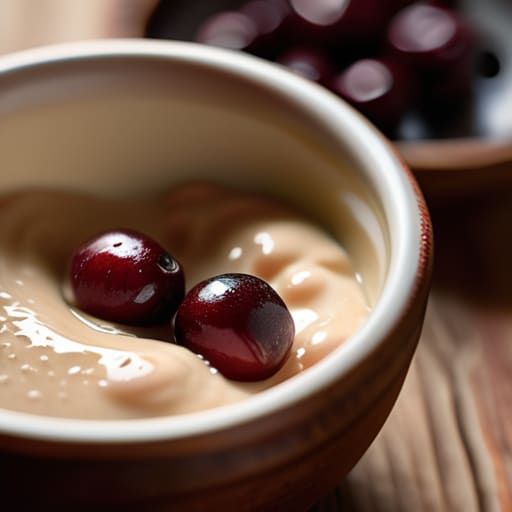
As you pull your final batch of puree from the blender, remember that you haven’t just made a condiment; you have honored the entire lifecycle of the bean. By carefully selecting your origins—whether it’s a bright, washed Ethiopian to lift the palate or a heavy-bodied natural from Brazil—and applying that patient, slow-blend technique we discussed, you have ensured that the terroir isn’t lost in the process. Mastering the texture is about more than just smoothness; it is about respecting the structural integrity of the fruit that was once a vibrant cherry on a hillside thousands of miles away. When you get that consistency right, you are truly capturing the essence of the farm.
I often find myself looking at my old maps of the Huila region or flipping through my film rolls of sun-drenched harvests, and it strikes me how much intention matters. Making something from scratch, even something as simple as a bean puree, is a way to slow down and reconnect with the world. Don’t be afraid to experiment with different processing methods or soil profiles in your next batch. Every time you stir that puree, you are participating in a global lineage of flavor that stretches from the farmer’s weathered hands to your own kitchen. Keep exploring, keep tasting, and never stop seeking the story in the bean.