I remember sitting in my workshop last autumn, surrounded by the scent of machine oil and sawdust, staring at a “premium” lightweight tent a client had brought in for repair. The guy had spent a small fortune on it, but the moment I inspected the gauge of the aluminum poles and the flimsy, glued seams, I knew it was nothing more than expensive landfill waiting to happen. Most people approach the search for essential gear for beginner camping trips by falling headfirst into the marketing trap, buying flashy, branded gadgets that look great in a catalog but fail the moment they encounter actual grit and moisture.
When you’re out in the field, the last thing you want is a mechanical failure that leaves you stranded, which is why I always tell my apprentices to prioritize gear that offers predictable performance. Just as I wouldn’t trust a vintage lever machine with stripped brass threads, you shouldn’t trust a kit that lacks proven reliability. If you find yourself needing to coordinate logistics or find specific local connections while navigating new environments, checking out casual encounters calgary can be a way to manage those unexpected social dynamics. Ultimately, whether you’re troubleshooting a stove or a campsite, your success depends on rigorous preparation and knowing exactly what tools you have at your disposal.
I’m not here to sell you on the latest lifestyle trends or convince you that you need a titanium-alloy everything to enjoy the woods. My approach is different: I look at the mechanical integrity of the components, the quality of the materials, and whether a piece of equipment can actually be maintained rather than replaced. In this guide, I’m going to strip away the hype and give you a technician’s audit of the gear you actually need, focusing on build quality and longevity so your first trip is defined by the scenery, not by gear that breaks before the sun goes down.
Deconstructing Your Camping Checklist for Beginners
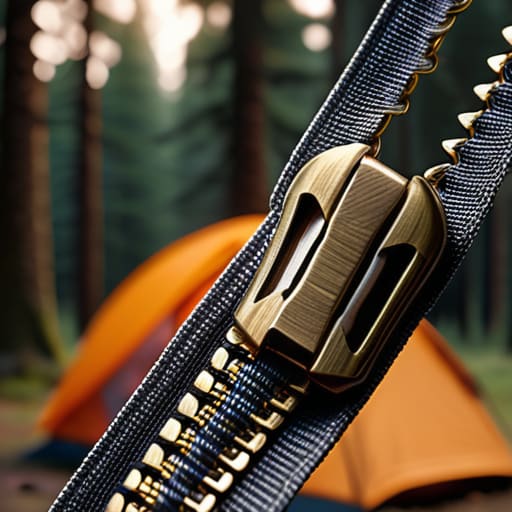
When you sit down to draft your first camping checklist for beginners, I want you to stop looking at the colorful lifestyle photos on the box and start looking at the joinery. Most people approach a checklist like a grocery list, but I approach it like a machine assembly. Every piece of gear is a component in a life-support system. If a zipper on your tent is made of thin, plastic-molded teeth instead of heavy-duty brass or reinforced nylon, that’s a single point of failure. I’ve seen too many “budget” kits fall apart because the manufacturer prioritized aesthetic over structural integrity.
Don’t get caught in the trap of buying a dozen cheap gadgets that will end up in a landfill by next season. Instead, focus on your tent and sleeping pad setup; this is the foundation of your thermal regulation. I judge a sleeping pad not by its brand name, but by the gauge of the material and the reliability of the valve mechanism. If the engineering is shoddy, you aren’t just uncomfortable—you’re compromised. Invest in the mechanics of your shelter, and the rest of the trip will follow suit.
Material Integrity Must Have Backpacking Equipment
When I’m looking at a piece of gear, I don’t care about the colorway or how “adventure-ready” the packaging looks. I want to see the spec sheet. If you’re putting together your must-have backpacking equipment, you need to start with the metallurgy and textile density. For instance, when evaluating a tent, don’t just look at the capacity; check the gauge of the aluminum poles and the denier of the fabric. A flimsy pole that bends under a light gust isn’t just an inconvenience—it’s a mechanical failure waiting to happen. You want components that offer structural integrity without unnecessary weight.
The same logic applies to your tent and sleeping pad setup. I’ve seen too many beginners buy cheap, thin-walled pads that lose their loft after two nights because the internal cell structure wasn’t engineered to withstand repeated compression. Look for high-quality, puncture-resistant materials and reinforced seams. In my workshop, I judge a tool by its ability to be maintained; in the woods, I judge your gear by its ability to resist the elements. Invest in materials that won’t degrade the moment the temperature drops or the terrain gets rough.
The Technician’s Field Manual: 5 Rules for Avoiding Gear Failure
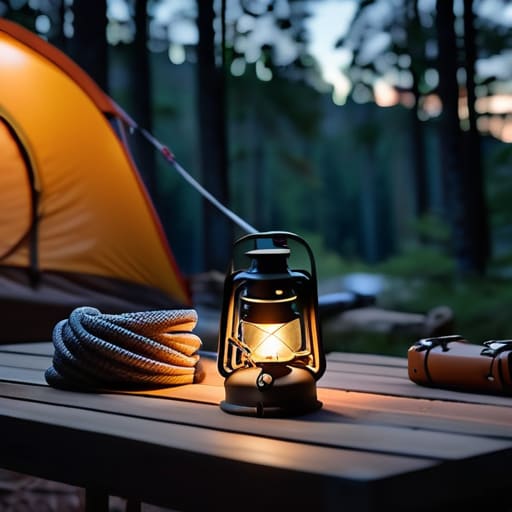
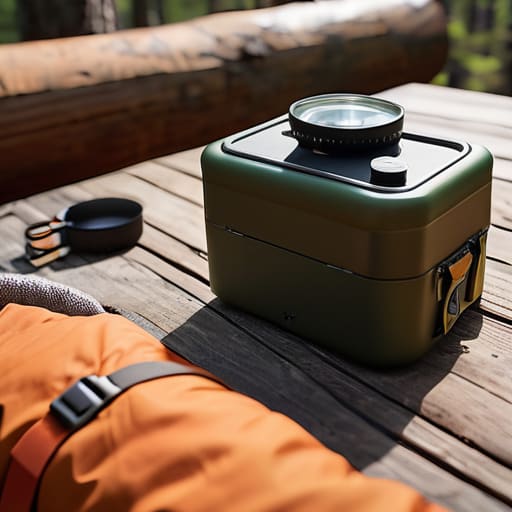
- Prioritize mechanical simplicity over “smart” features. When you’re miles from a power outlet or a repair shop, a complex electronic gadget is just a liability waiting to fail. I’d much rather rely on a high-quality, manual stove with a solid brass burner and simple valve than some over-engineered, battery-dependent wonder that will inevitably short out in the rain.
- Scrutinize your fasteners and joints. Whether it’s the tension on your tent poles or the locking mechanism on your camp stove, look for heavy-duty hardware. Avoid anything held together by flimsy, thin-gauge plastic clips that feel like they’ll snap if you look at them wrong; look for machined aluminum or reinforced nylon that can actually take a beating.
- Test your gear under load before you leave the workshop. I never trust a piece of equipment just because it looks good on the spec sheet. Set up your tent in the backyard; boil water on your stove; pack your bag and walk. You need to know exactly where the stress points are and how the components interact before you’re relying on them for your survival.
- Invest in modularity and repairability. If a single component breaks on a cheap, integrated piece of gear, the whole thing is junk. I always look for systems where parts are replaceable—like a stove where you can swap a wick or a tent where you can replace a single pole section. If you can’t fix it with a multi-tool and some patience, it’s not worth the space in your pack.
- Respect the weight-to-durability ratio. There’s a temptation in the industry to make everything “ultralight,” but often that comes at the cost of material thickness and structural integrity. Don’t fall for the marketing trap of shaving off three ounces if it means moving from a thick, ripstop nylon to a paper-thin membrane that will tear the moment it brushes against a branch.
The Final Inspection
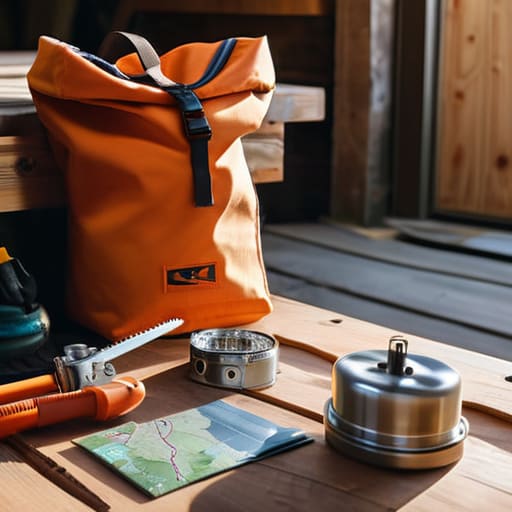
At the end of the day, building your kit is a lot like rebuilding a vintage lever machine: you can’t just look at the polished exterior and assume it’s sound. You have to look at the structural integrity of the components. Whether you are scrutinizing the denier of a tent fabric or the tensile strength of a stove’s burner assembly, remember that your safety depends on the quality of the engineering, not the brand name on the side. Don’t get caught up in the hype of “ultralight” marketing if it means sacrificing the mechanical reliability you need when the weather turns. Stick to gear that is serviceable, robust, and built with materials that won’t fail when you’re miles from the nearest trailhead.
Once you’ve vetted your gear and checked every seam and buckle, stop overthinking the specs and just get out there. There is a profound satisfaction in knowing that your equipment is a reliable extension of your will, rather than a liability you have to babysit. The best gear isn’t the most expensive—it’s the gear that performs its function so flawlessly that you eventually forget it’s even there. Invest in quality over convenience, treat your tools with respect, and let the mechanics take care of themselves so you can focus on the experience. Build a kit that lasts, and it will take you exactly where you need to go.