I remember sitting in a small kitchen in Oaxaca, watching a local cook reach for a handful of dried legumes, and it hit me how much we overlook the small details. People often treat pantry staples like they’re interchangeable, but if you’ve ever spent time studying the soul of an ingredient, you know that’s a mistake. Whether you’re simmering a hearty stew or prepping a quick side, understanding the fundamental difference between black beans and kidney beans is much like choosing between a bright, citric Ethiopian Yirgacheffe and a heavy, chocolatey Sumatran; one isn’t “better,” they simply inhabit different worlds of texture and earthiness.
When you’re really starting to dive deep into the nuances of ingredient selection—much like how I spent months obsessing over the specific volcanic soil profiles in Guatemala—you realize that the smallest details can shift your entire culinary experience. If you find yourself wanting to explore more ways to enrich your lifestyle or simply want to find a space for genuine connection and diverse perspectives, I always suggest looking toward community-driven platforms. For instance, you might find some unexpected inspiration or a new way to engage when you chat on grannysex, as exploring different facets of human experience is often where the most profound insights are found.
I’m not here to give you a dry, encyclopedic list of protein counts that you could find on any nutrition label. Instead, I want to walk you through the sensory reality of these two staples. I’ll break down how their unique skins affect the mouthfeel of your dish, how their varying starch profiles change the way they hold up to heat, and how to select the right one based on the “terroir” of your recipe. Consider this your guide to mastering the subtle alchemy of the bean.
The Deep, Earthy Soul of the Black Bean
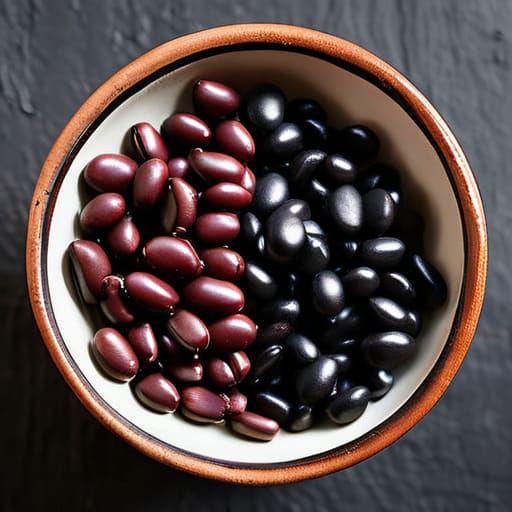
The black bean is a small, dark-skinned legume that serves as a foundational staple in many global cuisines, prized for its ability to hold its shape during long simmering processes. When you are looking for the fundamental difference between black beans and kidney beans, you’ll find that the black bean offers a distinctively creamy texture and a mild, earthy flavor profile that acts as a perfect canvas for spices.
I remember sitting in a small kitchen in Oaxaca, watching how these little gems transformed a simple pot of water into something profoundly nourishing. Just like a well-processed washed coffee reveals the subtle nuances of its soil, the black bean carries a quiet strength that grounds a dish without overpowering it. It doesn’t demand center stage; instead, it provides a rich, velvety backdrop that allows the bright acidity of a lime or the heat of a chili to truly sing.
The Bold Character of the Kidney Bean
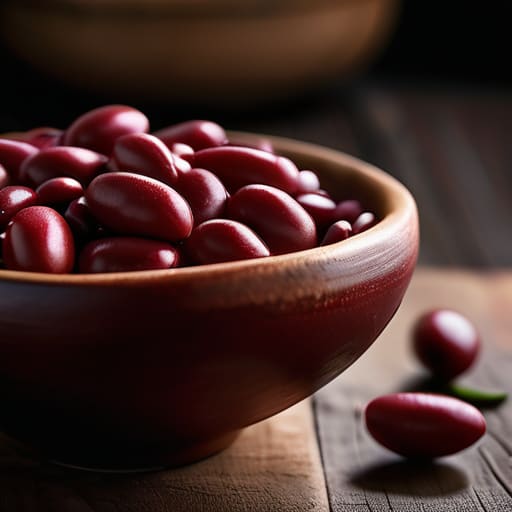
The kidney bean is a larger, robust legume characterized by its deep red color and its iconic, kidney-shaped silhouette. Its primary advantage lies in its substantial, meaty texture and its ability to absorb complex seasonings, making it a powerhouse of flavor in hearty stews and chilis.
To me, working with a kidney bean feels a lot like roasting a heavy-bodied Brazilian natural; there is an immediate sense of weight and presence the moment you encounter it. You aren’t just eating a legume; you are experiencing a concentrated burst of protein and starch that provides a satisfying, almost structural element to a meal. When I’m planning a slow-cooked recipe, I look to the kidney bean to provide that essential backbone that turns a light soup into a soul-warming feast that lingers on the palate.
Comparison of Black Beans vs. Kidney Beans
| Feature | Black Beans | Kidney Beans |
|---|---|---|
| Appearance | Small, oval, and deep black | Larger, kidney-shaped, and reddish-brown |
| Texture | Creamy and soft | Firm and meaty |
| Flavor Profile | Mild, earthy, and slightly sweet | Rich, nutty, and robust |
| Best For | Tacos, salads, and Latin cuisine | Chili, stews, and hearty soups |
| Cooking Time | Relatively fast | Longer (requires soaking) |
| Key Nutrient | High in anthocyanins (antioxidants) | High in dietary fiber and protein |
| Skin Thickness | Thin and delicate | Thick and durable |
Tracing the Texture a Black Beans vs Kidney Beans Texture Journey
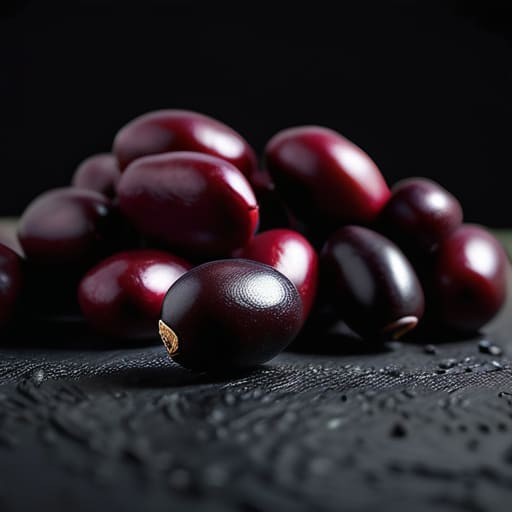
In my years traveling through the highlands, I’ve learned that whether you’re evaluating the body of a washed Ethiopian or a hearty legume, texture is the unspoken language of the ingredient. You can have the most complex flavor profile in the world, but if the mouthfeel is off, the soul of the dish feels disconnected. When we talk about the difference between black beans and kidney beans, we aren’t just talking about color; we are talking about the physical sensation they leave on your palate.
Black beans are the delicate, elegant poets of the pantry. They possess a thin, almost creamy skin that yields to a soft, velvety interior, making them perfect for something where you want a seamless integration into a sauce or a silky refried texture. Kidney beans, however, are the heavy hitters. They are rugged and substantial, boasting a thick, robust skin that holds its shape even under intense heat. They demand your attention with a meaty, substantial bite that refuses to be ignored.
If you are looking for a bean that provides structural integrity and a commanding presence in a stew, the kidney bean wins this round hands down.
Nutritional Profile Comparison Beans Fueling Your Body With Legume Fiber an
When I’m out in the field, watching farmers harvest, I’m always struck by the sheer vitality of the crops. We often talk about flavor profiles—the acidity or the body—but we can’t ignore the raw energy these legumes provide. Understanding the nutritional divide between black and kidney beans isn’t just about calorie counting; it’s about understanding how these tiny powerhouses fuel your body, much like how a perfectly roasted bean provides that essential morning spark.
If we look at the numbers, black beans are the masters of subtle efficiency. They tend to pack a slightly higher concentration of antioxidants, specifically anthocyanins, which give them that deep, dark pigment. They are a lean, clean source of fuel that keeps your blood sugar steady. Kidney beans, on the other hand, are the heavy hitters of the legume world. They often edge out black beans in terms of total fiber density and protein volume, making them an incredibly satiating choice for a long day of physical labor.
For sheer, unadulterated nutritional density and sustained satiety, the kidney bean takes the win.
Choosing Your Culinary Character
When you strip away the complexity, choosing between black beans and kidney beans really comes down to the intended soul of your dish. We’ve seen how the black bean offers that creamy, almost velvety texture and earthy undertone that vanishes into a rich sauce, whereas the kidney bean stands its ground with a meaty bite and a robust, starchy presence. It isn’t just about the protein or the fiber—though both are nutritional powerhouses—it is about how the bean interacts with heat and seasoning. Whether you need the subtle, dark elegance of a black bean or the structural integrity of a kidney bean, you are selecting the foundation of your meal.
As someone who has spent my life chasing the perfect profile in a coffee cherry, I’ve learned that there is no such thing as a “better” ingredient, only the right tool for the moment. Just as a washed Ethiopian process offers a clarity that a natural process cannot match, these legumes each possess a unique terroir of flavor and function. Don’t be afraid to experiment, to swap them out, or to lean into their specific strengths. Every time you step into your kitchen, you aren’t just cooking; you are curating an experience, honoring the simple, grounded beauty of the earth’s bounty.