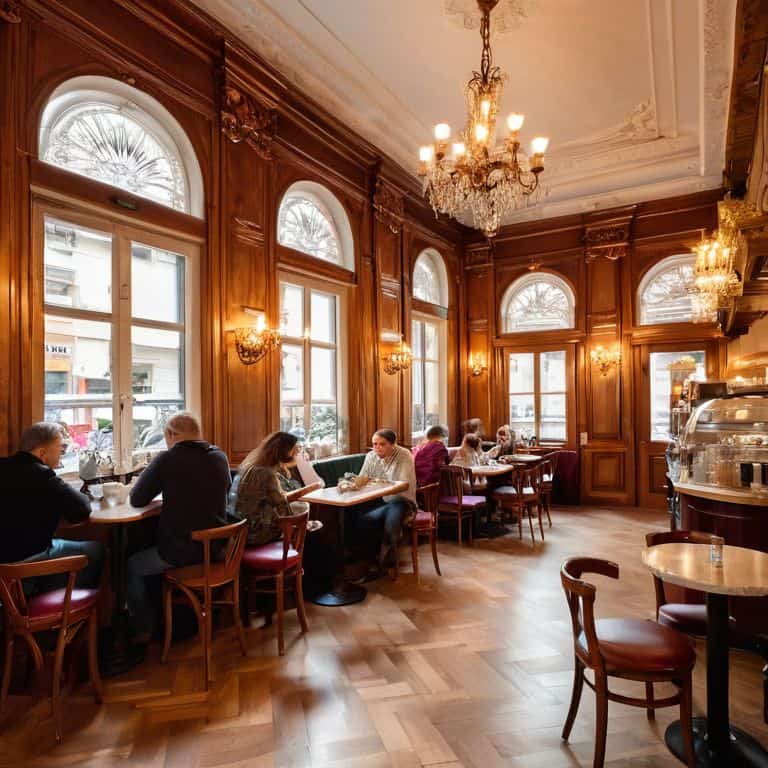
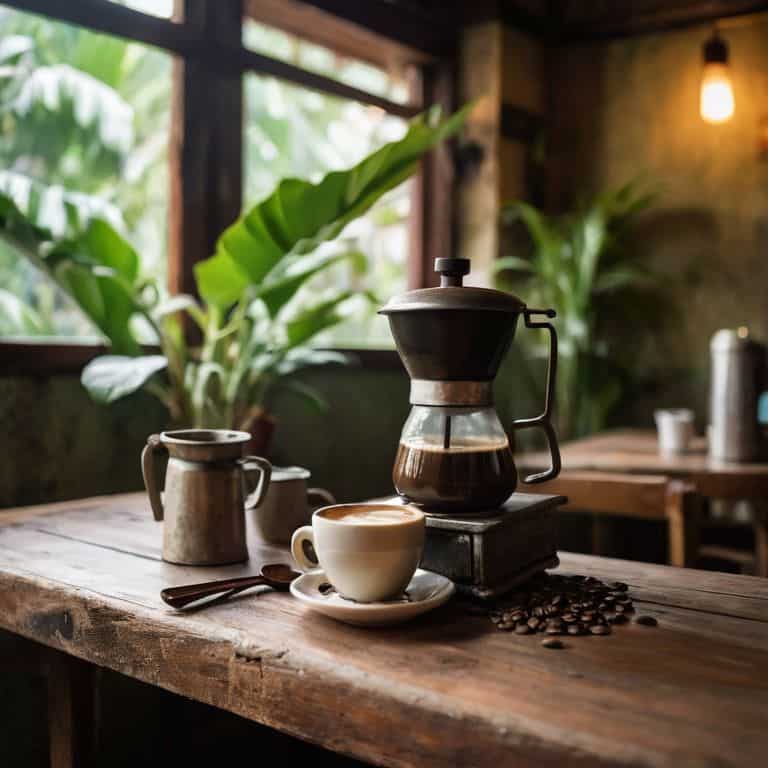
As I sit in my favorite Viennese coffee house, surrounded by the whispers of history and the aroma of expertly brewed coffee, I often find myself pondering the question: what does terroir mean in coffee? It’s a term that’s been tossed around by coffee connoisseurs and marketers alike, often to justify a hefty price tag or to sound impressively sophisticated. But, in my opinion, the concept of terroir has been watered down to a mere buzzword, losing its essence in the process. I’ve spent years researching the cultural significance of coffee, and I believe it’s time to strip away the hype and get back to the heart of the matter.
As someone who’s passionate about uncovering the human stories behind our daily rituals, I want to take you on a journey to explore the true meaning of terroir in coffee. In this article, I promise to share my no-nonsense insights, garnered from years of traveling the world and talking to coffee farmers, roasters, and enthusiasts. I’ll delve into the fascinating world of coffee production, and reveal how the unique combination of environmental factors, such as soil, climate, and sunlight, shape the flavor and quality of your favorite brew. So, let’s embark on this journey together, and discover the rich, unbridled flavor of terroir in your cup.
Table of Contents
Uncovering Terroirs Secret
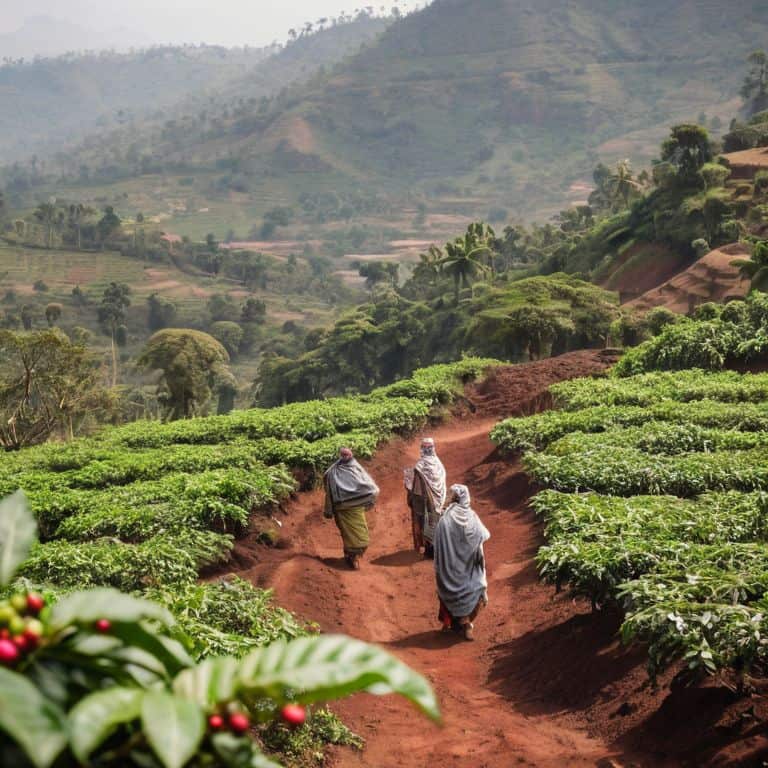
As I delved deeper into the world of coffee, I began to appreciate the nuances of coffee flavor profiles by region. From the bright acidity of Ethiopian Yirgacheffe to the smooth, balanced taste of Brazilian Santos, each region’s unique terroir leaves an indelible mark on the flavor of its coffee. I recall a conversation with a coffee roaster who emphasized the importance of understanding the impact of soil pH on coffee taste, and how even slight variations can dramatically alter the flavor profile of a given coffee.
My travels took me to the rolling hills of Colombia, where I witnessed firsthand the effects of climate change on coffee production. Rising temperatures and changing precipitation patterns are altering the delicate balance of the coffee ecosystem, forcing farmers to adapt and innovate in order to preserve the integrity of their crops. It’s a sobering reminder of the complex interplay between environment, culture, and economy that underlies the concept of terroir. As I sipped a cup of expertly brewed coffee in a small café, I couldn’t help but appreciate the geographic indicators for specialty coffee that distinguish one region’s coffee from another.
In my research, I’ve found that regional coffee characteristics and terroir are inextricably linked. The unique combination of soil, climate, and processing methods that define a region’s terroir impart a distinct flavor profile that is at once familiar and unique. Whether it’s the fruity notes of a Kenyan AA or the smoky undertones of a Sumatran Mandheling, each coffee is a reflection of the land and people that produced it. As I sat in a quaint café, surrounded by the trappings of a bygone era, I felt a deep connection to the coffee terroir and processing methods that had brought this exquisite coffee to my cup.
Coffee Flavor Profiles by Region
As I sit in this quaint café, sipping on a cup of Ethiopian Yirgacheffe, I am reminded of the _distinctive notes_ that set it apart from other regions. The floral and citrus hints in this coffee are a hallmark of Ethiopian brews, a result of the country’s high altitudes and rich soil.
The regional characteristics of coffee flavor profiles are a fascinating topic, with each area imparting its unique stamp on the beans. From the balanced acidity of Kenyan coffee to the earthy tones of Sumatran brews, every region tells a story through its coffee, waiting to be uncovered by curious palates.
Soil Ph Impact on Taste Revealed
As I sat in a small café in Ethiopia, sipping on a cup of Yirgacheffe, I noticed the subtle nuances in the flavor that couldn’t be replicated by any other region. The coffee farmer told me that it was due to the unique combination of soil, climate, and altitude. But what really caught my attention was the effect of soil pH on the taste of the coffee. It’s fascinating to think that a slight variation in the soil’s acidity can bring out different notes in the flavor profile.
I recall reading about a study that explored the relationship between soil pH and coffee flavor. The researchers found that coffee beans grown in soils with a slightly higher pH tended to have a smoother, more balanced taste, while those grown in more acidic soils had a brighter, more fruit-forward flavor. This got me thinking about the importance of understanding the soil conditions in which our coffee is grown, and how it can impact the final product in our cups.
What Does Terroir Mean in Coffee
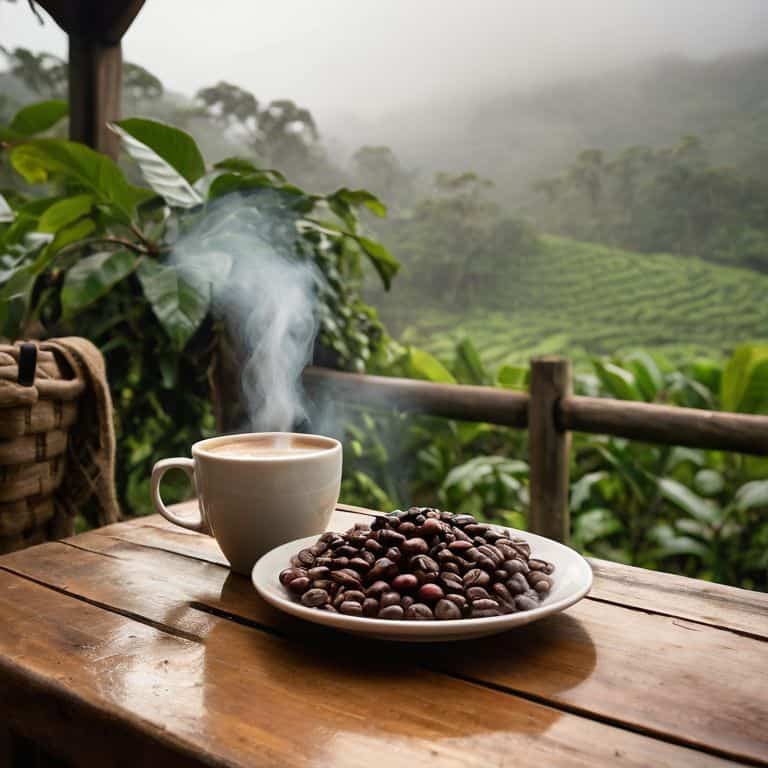
As I sit in this quaint, historic café, surrounded by the aroma of freshly brewed coffee, I am reminded of the concept of coffee flavor profiles by region. The unique characteristics of each region’s coffee are shaped by a combination of factors, including soil, climate, and processing methods. Geographic indicators for specialty coffee are becoming increasingly important, as they help to distinguish high-quality, distinctively flavored coffees from more generic blends.
My conversation with a coffee farmer earlier this year shed light on the impact of soil pH on coffee taste. She explained how even slight variations in soil pH can significantly affect the flavor profile of the coffee beans. This got me thinking about the broader implications of climate change effects on coffee production, and how it may alter the delicate balance of factors that contribute to a region’s unique coffee terroir.
As I delve deeper into the world of coffee terroir, I am struck by the intricate relationships between regional coffee characteristics and terroir. The way a region’s coffee is processed, for example, can either enhance or mask its natural terroir. Coffee terroir and processing methods are inextricably linked, and understanding this relationship is key to appreciating the full richness and diversity of global coffee cultures.
Climate Change Effects on Terroir
As I sit in this quaint, centuries-old café, I ponder the impact of climate change on the delicate balance of terroir. The coffee farmer I met earlier shared with me the struggles they face as rising temperatures alter the flavor profiles of their beans. It’s a challenge that’s being felt across the globe, from the sun-kissed hills of Ethiopia to the lush mountains of Colombia.
The effects of climate change on terroir are multifaceted, but one key factor is the shift in precipitation patterns. This, in turn, affects the soil quality, moisture levels, and ultimately, the flavor of the coffee. I recall reading about a study that highlighted the devastating impact of droughts on coffee yields, and how it’s forcing farmers to adapt and find new ways to nurture their crops.
Regional Characteristics Uncovered
As I sat in a quaint café in Ethiopia, I sipped on a cup of coffee that embodied the regional characteristics of its birthplace. The notes of citrus and floral hints transported me to the sun-kissed fields where the beans were grown. It was as if the coffee was telling a story of the land, of the people who cultivated it, and of the traditions that passed down through generations.
The distinctive flavor profiles of each region are a result of the unique combination of soil, climate, and culture. In Brazil, for example, the coffee is known for its smooth and nutty taste, while in Kenya, it’s renowned for its bright acidity and complex flavors. As I traveled from one coffee-producing country to another, I began to appreciate the nuances that make each region’s coffee truly special.
Savoring the Flavor of Place: 5 Tips to Understanding Terroir in Coffee
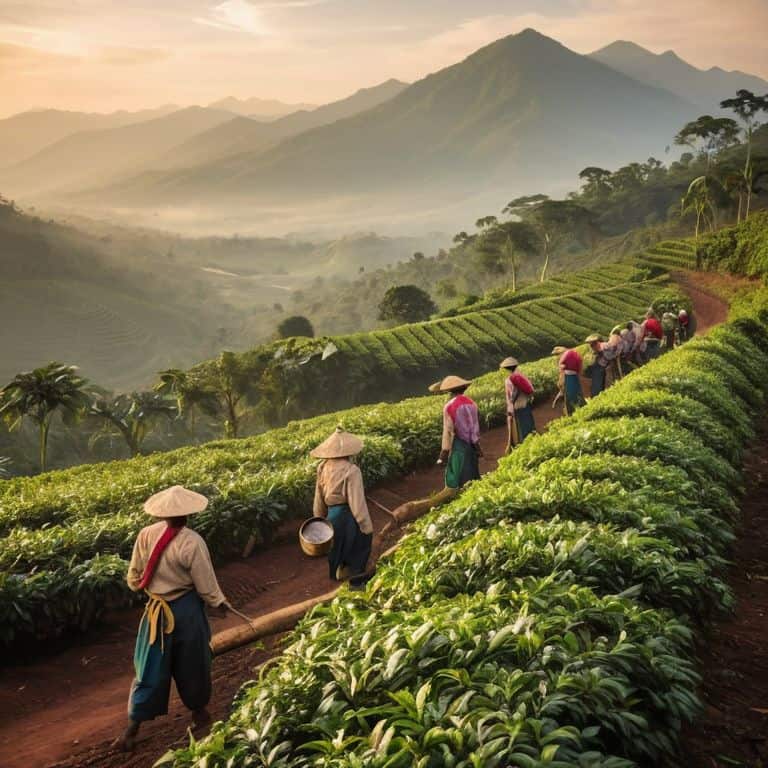
- Consider the region: Just as a wine’s flavor is shaped by its vineyard, coffee beans are influenced by the region in which they’re grown, with factors like soil, climate, and altitude all playing a role
- Think beyond the beans: Terroir is not just about the coffee itself, but the entire ecosystem in which it’s grown, including the trees, the soil, and even the local wildlife
- Climate matters: Changes in temperature and precipitation patterns can significantly impact the flavor profile of coffee, making climate change a major concern for coffee farmers and connoisseurs alike
- Soil is key: The pH level and nutrient content of the soil in which coffee is grown can greatly affect its flavor, with some of the world’s most renowned coffee-growing regions boasting uniquely fertile and acidic soils
- Experiment and explore: The best way to understand terroir in coffee is to taste it for yourself, so don’t be afraid to try new and exotic varieties, and pay attention to the subtle nuances that set each one apart
Three Key Takeaways from Our Journey Through Terroir
I’ve discovered that the concept of terroir in coffee is far more complex and multifaceted than I initially thought, influenced by a delicate balance of environmental factors such as soil, climate, and sunlight, which impart unique flavor profiles to the beans
My conversations with coffee farmers and experts have revealed that understanding terroir is not just about appreciating the nuances of coffee flavor, but also about recognizing the human stories and traditions that are deeply rooted in the land and the culture of coffee production
Whether it’s the rich volcanic soil of Sumatra or the misty mountains of Ethiopia, each region’s terroir is a reflection of its history, geography, and community, making every cup of coffee a tangible connection to the people and places that bring it to life
The Essence of Terroir
To me, terroir in coffee is like the whispers of the earth, carrying the stories of the land, the people, and the traditions that nurture each bean – it’s the unspoken language that speaks directly to our senses, reminding us that every sip is a journey through the heart of a place.
Isabella Marino
The Essence of Terroir: A Conclusion
As I reflect on our journey to understand what terroir means in coffee, I am reminded of the intricate dance between the environment, the farmer, and the coffee bean. We’ve explored how factors like soil pH, climate change, and regional characteristics all contribute to the unique flavor profiles of coffees from around the world. From the sun-kissed hills of Ethiopia to the lush rainforests of Brazil, each region’s terroir tells a story of place and culture that is as much a part of the coffee’s identity as its aroma and taste.
And so, as we sip our coffee, let us not forget the human stories and natural landscapes that have shaped its flavor. Let us appreciate the complexity and beauty of terroir, and the way it connects us to the people and places that bring us this beloved beverage. For in the end, the true essence of terroir is not just about the coffee itself, but about the sense of community and appreciation for the land that it inspires in us all.
Frequently Asked Questions
How do coffee farmers adapt their cultivation practices to highlight the unique terroir of their region?
I’ve seen farmers adapt their cultivation practices in fascinating ways, like adjusting shade levels or using traditional techniques to emphasize their region’s distinct flavor profile. For instance, a farmer in Ethiopia might carefully prune their coffee trees to allow more sunlight, bringing out the delicate floral notes that their terroir is known for.
Can the terroir of a coffee be altered or improved through specific farming or processing techniques?
I’ve seen farmers coax incredible flavors from their beans by tweaking techniques like shade-grown methods or meticulous pruning, which can indeed alter the terroir’s expression in the cup.
How does the concept of terroir in coffee relate to the idea of 'single-origin' versus 'blended' coffees?
You see, single-origin coffees are like a solo artist, showcasing the unique terroir of a specific farm or region, while blended coffees are like a rich tapestry, weaving together flavors from different origins to create something entirely new and complex. I recall a charming little café in Vienna where I savored a single-origin Ethiopian coffee, its notes of bergamot and honey transportive, and later, a masterfully blended Brazilian and Colombian roast that was like a warm hug on a chilly morning.