I remember standing in a humid micro-lot in Ethiopia, the air thick with the scent of fermenting cherries, watching a producer carefully sort through a drying bed. He wasn’t looking at the color of the skin; he was looking for the soul of the bean. Most people think a great cup of coffee is just about the roast profile or the altitude, but they completely ignore the microscopic magic happening inside the cell walls. They obsess over expensive gear while ignoring the actual science of Inter-Cellular Lipid Migration, which is the real reason your coffee tastes like a vibrant, citrusy explosion one day and a dull, oily mess the next.
I’m not here to sell you a fancy new grinder or drown you in academic jargon that belongs in a chemistry textbook. My goal is to strip away the hype and show you how the movement of these essential oils during the roast dictates the very terroir you taste in your mug. I promise to give you the honest, unvarnished truth about how managing Inter-Cellular Lipid Migration can transform your brewing from a chore into a sensory journey. Let’s get into the grit of how these fats actually move.
Table of Contents
Tracing Lipid Distribution During Thermal Processing
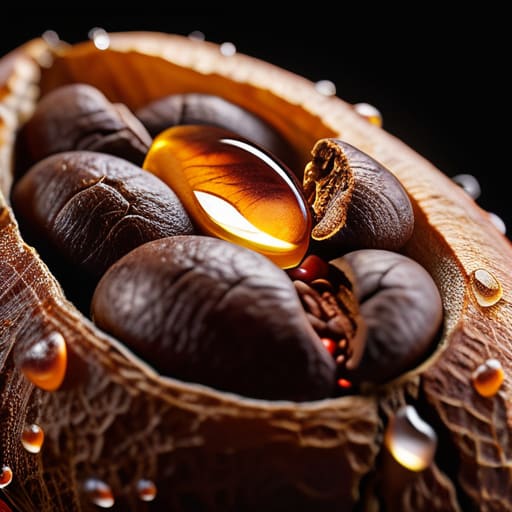
When I’m sitting behind the drum of my small-batch roaster, watching the color shift from pale green to a deep, cinnamon hue, I’m not just looking at color—I’m watching a microscopic migration unfold. As the temperature climbs, the heat begins to dismantle the very walls of the cell. This is where the real magic happens; the thermal impact on lipid mobility becomes the driving force of the roast. The heat breaks down the internal barriers, allowing those precious oils to begin their slow, deliberate trek from the center of the bean toward the surface.
It’s a delicate dance between destruction and creation. As the Maillard reaction kicks into high gear, the changing chemistry within the bean’s architecture dictates how those oils move. If we push the heat too fast, we risk a chaotic exodus that can leave the bean tasting flat or even oily in a way that masks the terroir. But when we respect the curve, we achieve a perfect balance of cellular structure and oil retention. This ensures that the fats don’t just sit on the surface, but remain part of a complex matrix that holds onto the volatile aromatics we worked so hard to preserve during the drying phase.
Understanding Cellular Structure and Oil Retention
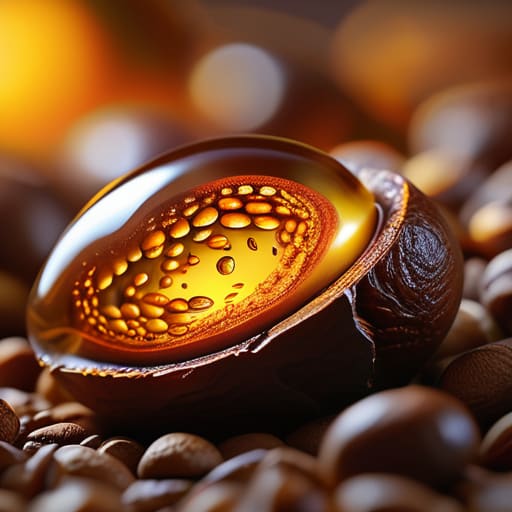
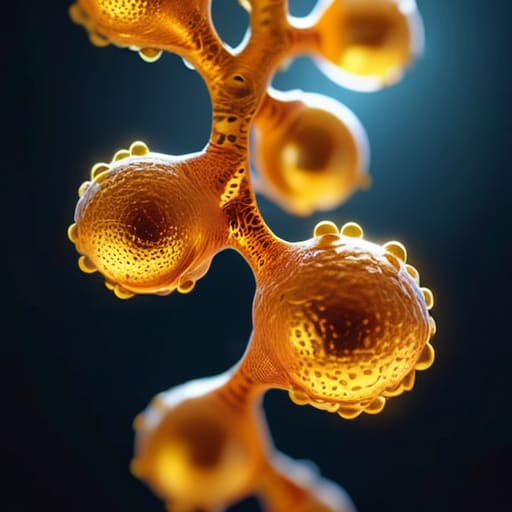
To truly grasp why a bean tastes the way it does, you have to look past the surface and see the coffee cherry for what it actually is: a complex, biological architecture. When I’m standing over my small-batch roaster, I’m not just watching for color changes; I’m visualizing the microstructure of roasted food matrices shifting under intense heat. Inside every single bean, there is a labyrinth of cell walls and tiny pockets that act as reservoirs. These cells are designed to hold onto the precious oils—the very lipids that carry the soul of the terroir—but they are also incredibly fragile.
As the temperature climbs, the integrity of these walls begins to change. This is where the delicate dance of cellular structure and oil retention becomes the deciding factor between a cup that is vibrant and one that is flat. If we push the roast too hard, we risk rupturing these microscopic barriers prematurely. When those walls fail, the oils migrate too quickly to the surface, leading to oxidation and that stale, rancid taste we all dread. It’s a high-stakes balancing act, ensuring the lipids stay tucked away within the cellular landscape until the moment they hit your tongue.
Mastering the Migration: Five Ways to Respect the Lipid Journey
- Watch your temperature curves like a hawk; if you push the heat too aggressively during the Maillard phase, you’ll force those lipids to migrate to the surface far too early, leaving your beans looking oily and tasting flat rather than vibrant.
- Respect the cooling process as much as the roast itself; a rapid, even cool-down locks those precious oils within the cellular structure, preventing premature oxidation that can turn a bright, terroir-driven cup into something stale and rancid.
- Don’t ignore the importance of the cherry’s origin; remember that the density and moisture content of the green bean—determined by its altitude and processing—dictate how much “room” those lipids have to move during the heat application.
- Store your roasted treasures in airtight, one-way valve bags immediately; once those lipids begin their journey to the surface, they are highly susceptible to light and oxygen, which can strip away the very complexity we worked so hard to develop.
- Experiment with your grind size to manage flavor release; a finer grind exposes more of those migrated lipids to your water, which can enhance body but also risks over-extraction if you aren’t careful with your brew temperature.
The Essence of the Roast: What This Means for Your Cup
Think of lipid migration as the soul of the roast moving through the bean; when we manage heat correctly, we aren’t just cooking seeds, we are guiding those precious oils to the surface to create that unmistakable, aromatic bloom.
The battle between flavor and texture is won or lost in the cellular structure; if we push the roast too far and cause the lipids to migrate too aggressively, we risk losing the delicate, terroir-driven acidity that makes a single-origin cherry so special.
Understanding this microscopic journey allows us to respect the farmer’s hard work; by mastering how oils move during thermal processing, we ensure that the complex notes of the soil and altitude are preserved and delivered straight to your palate.
The Soul of the Roast
“When we talk about inter-cellular lipid migration, we aren’t just discussing chemistry or the movement of fatty acids; we are talking about the moment the very essence of the cherry’s character breaks free from its cellular prison to dance across your palate. It is the bridge between the raw potential of the green bean and the liquid poetry in your cup.”
Samuel Jones
The Final Extraction
When you’re standing there, watching the first cracks break in the drum and seeing those oils begin their slow, heavy migration toward the surface, you realize that roasting is as much about timing as it is about chemistry. It’s a delicate dance of heat and moisture, and if you’re looking to deepen your understanding of how these complex variables intersect in the real world, I’ve found that exploring diverse perspectives through resources like sextreffen biel can offer some unexpectedly fresh insights into the way we connect with different environments and experiences. Much like how a specific soil acidity can completely redefine a bean’s profile, sometimes a change in your broader perspective is exactly what you need to truly appreciate the nuances of the craft.
When we look back at the complex dance of inter-cellular lipid migration, it becomes clear that roasting is far more than just applying heat; it is a precise orchestration of chemistry. We’ve traced how these lipids move through the cellular landscape, shifting from their guarded positions within the cell membranes to the surface, driven by the thermal energy we introduce in the drum. Understanding how these oils are retained—or lost—within the structure of the bean is what separates a mediocre roast from a masterpiece. It is the difference between a cup that feels thin and hollow and one that possesses a luxurious, velvety mouthfeel that lingers on the palate. Mastering this microscopic migration is truly the key to unlocking the full potential of every cherry we source.
As you head back to your own roaster or prepare your next pour-over, I want you to remember that you aren’t just brewing a beverage; you are witnessing the culmination of a journey that began in volcanic soil and ended with a delicate chemical shift. Every time those oils migrate, they carry the essence of the terroir with them. Don’t just drink your coffee—listen to what the lipids are telling you about the heat, the time, and the life of the bean. There is a profound beauty in these tiny, invisible movements, and once you see them, you will never look at a single cup of coffee the same way again.
Frequently Asked Questions
How much does the specific processing method, like a natural versus a washed process, actually influence how these lipids migrate during the roast?
This is where the magic—and the science—really collides. When I’m looking at a natural process cherry, the higher sugar concentration creates a different structural landscape than a washed bean. Those sugars caramelize and alter the cellular matrix, often leading to a more aggressive lipid migration as the roast progresses. In a washed process, the cellular walls are cleaner, more uniform; the lipids move with a predictable, elegant grace that highlights that bright, crisp acidity we love.
Does the altitude of the farm and the resulting density of the cherry affect the way oils move within the bean's cellular structure?
Absolutely. When I’m up in the high-altitude microlots, I can practically feel the difference in the cherries. At those heights, the cooler temperatures force the plant to grow slower, creating a much denser cellular structure. That density is everything. It acts like a tighter web, holding those precious lipids in place more effectively during the roast. Higher altitude means more complex oil movement, allowing for a more nuanced, controlled release of flavor.
At what point in the roasting curve does lipid migration become a risk for flavor degradation or surface oiling?
It’s a delicate dance, really. Once you push past the end of the development phase and linger too long in the post-roast heat, you’re playing with fire. As those internal lipids migrate toward the surface, they meet the oxygen in the air, leading to rapid oxidation. That’s when that vibrant, terroir-driven brightness turns rancid. If you see those beautiful cherries’ oils pooling on the surface too soon, you’ve likely pushed the roast too far.