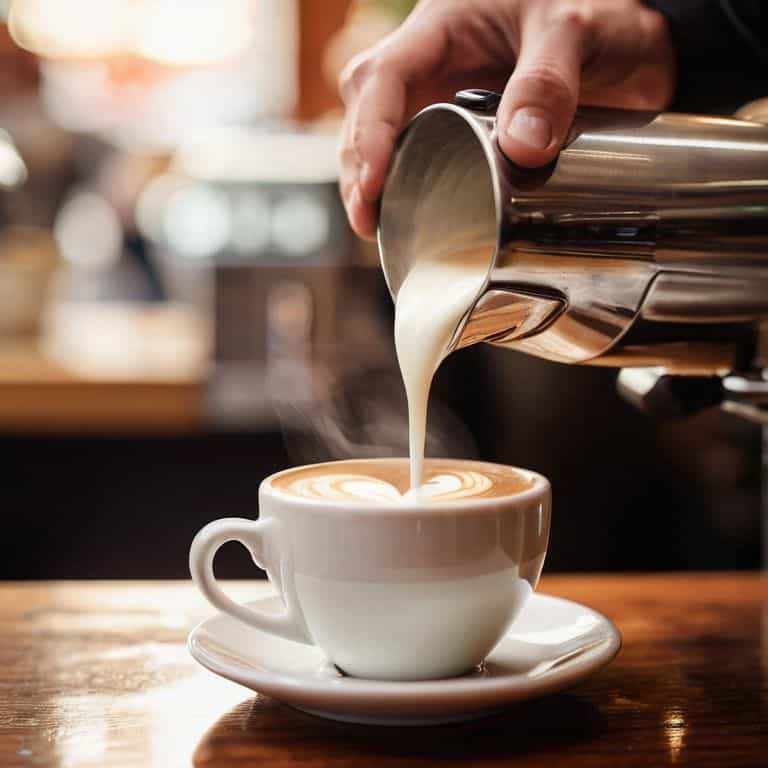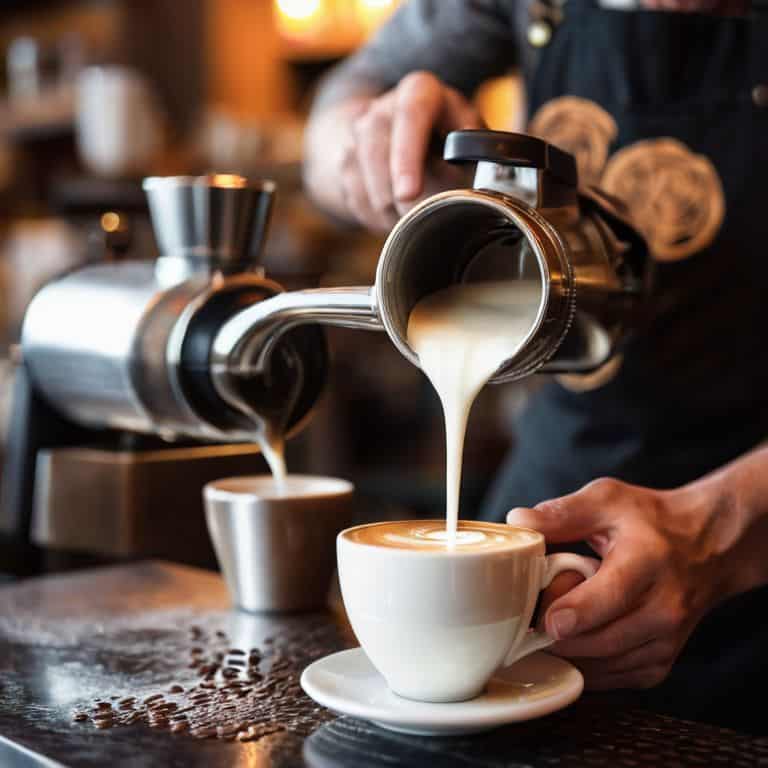
As a barista champion, I’ve seen my fair share of latte art disasters, all because of the wrong choice of milk. The best milk for latte art is not just about personal preference, but about understanding the science behind it. I’ve lost count of how many times I’ve been asked, “What’s the best milk to use for latte art?” only to be met with a plethora of generic answers that don’t really address the issue. It’s time to cut through the noise and get to the heart of the matter.
In this article, I’ll share my no-nonsense approach to selecting the perfect milk for latte art. I’ll draw from my own experiences competing in barista competitions and training others to help you make informed decisions. My goal is to provide you with practical advice that you can apply immediately, without any hype or fluff. By the end of this article, you’ll know exactly what to look for in a milk to create stunning latte art that will impress even the most discerning coffee connoisseurs.
Table of Contents
Best Milk for Latte Art
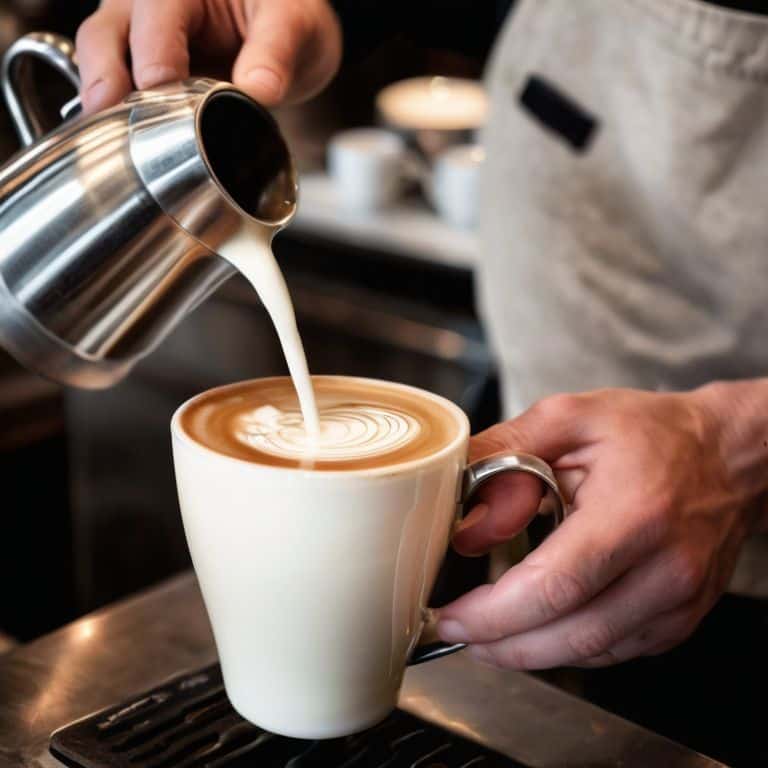
Milk for latte art is a type of milk specifically formulated to produce a smooth, creamy texture and a stable foam, ideal for creating intricate designs on the surface of coffee beverages. Its core mechanism relies on a precise balance of protein, fat, and sugar content, which allows it to stretch and hold its shape when steamed. The main selling point of this milk is its ability to produce a consistent, high-quality foam that can be shaped and molded into various designs.
As a barista champion, I can attest that the right milk for latte art can make all the difference in elevating your craft to the next level. When I’m competing, I need to know that my milk will perform consistently, allowing me to focus on perfecting my technique. There’s nothing quite like the feeling of creating a beautiful, intricate design on the surface of a coffee drink, and it all starts with the right milk. Whether you’re a professional barista or just starting out, using high-quality milk for latte art can help you achieve exceptional results and take your coffee game to new heights.
Alternative Milk Options
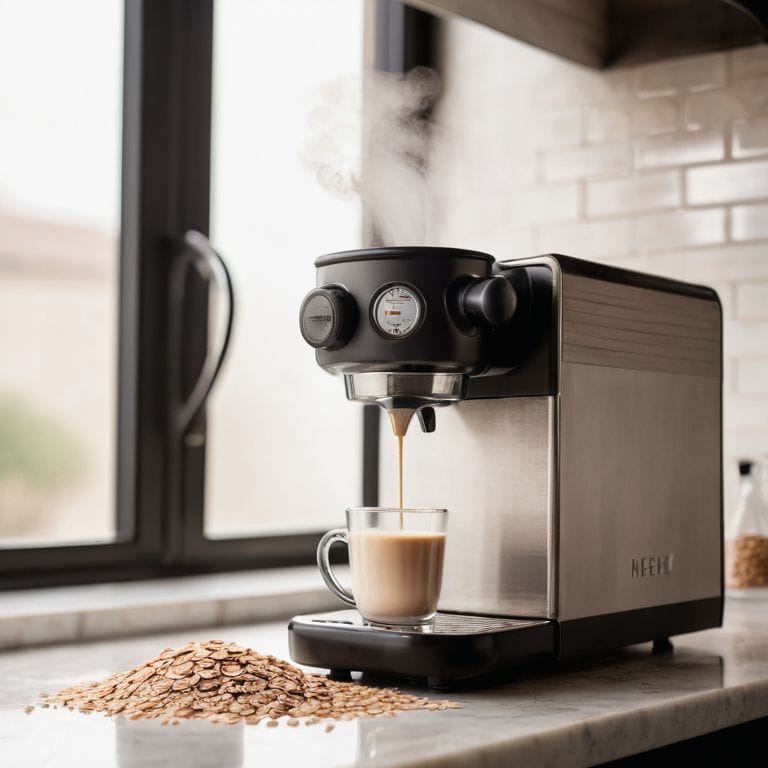
Alternative milk options, such as almond, soy, or oat milk, are plant-based milks designed to mimic the taste and texture of dairy milk, while also providing a lactose-free alternative. These milks use a variety of ingredients, such as nuts, seeds, or grains, to create a creamy texture and a neutral flavor profile. The main selling point of alternative milks is their ability to cater to customers with dietary restrictions or preferences, making them a versatile option for coffee shops and home baristas alike.
As someone who’s passionate about experimenting with different flavors, I appreciate the unique characteristics that alternative milks can bring to a cup of coffee. Whether you’re looking to create a distinctive taste experience or simply want to offer more options to your customers, alternative milks can be a great way to mix things up and add some variety to your coffee menu. By understanding the strengths and weaknesses of different alternative milks, you can elevate your coffee game and provide a more inclusive and innovative experience for your customers.
Head-to-Head Comparison of Best Milks for Latte Art
| Feature | Whole Milk | 2% Milk | Skim Milk | Almond Milk | Soy Milk | Oat Milk | Coconut Milk |
|---|---|---|---|---|---|---|---|
| Price | $1.50/gal | $1.75/gal | $1.75/gal | $3.00/gal | $2.50/gal | $3.50/gal | $4.00/gal |
| Key Feature | Rich flavor | Balanced taste | Low fat | Non-dairy | High protein | Sustainable | Creamy texture |
| Best For | Traditional latte | Everyday latte | Dietary restrictions | Vegans | Protein enthusiasts | Environmentally aware | Specialty coffee |
| Steaming Ease | Easy | Easy | Medium | Hard | Medium | Easy | Hard |
| Foam Quality | Excellent | Good | Fair | Poor | Good | Excellent | Fair |
| Calorie Count (per cup) | 170 | 120 | 80 | 30-60 | 80-100 | 35-60 | 45-70 |
| Allergen Friendly | No | No | No | Yes | Yes | Yes | Yes |
Unlocking Best Milk for Latte Art
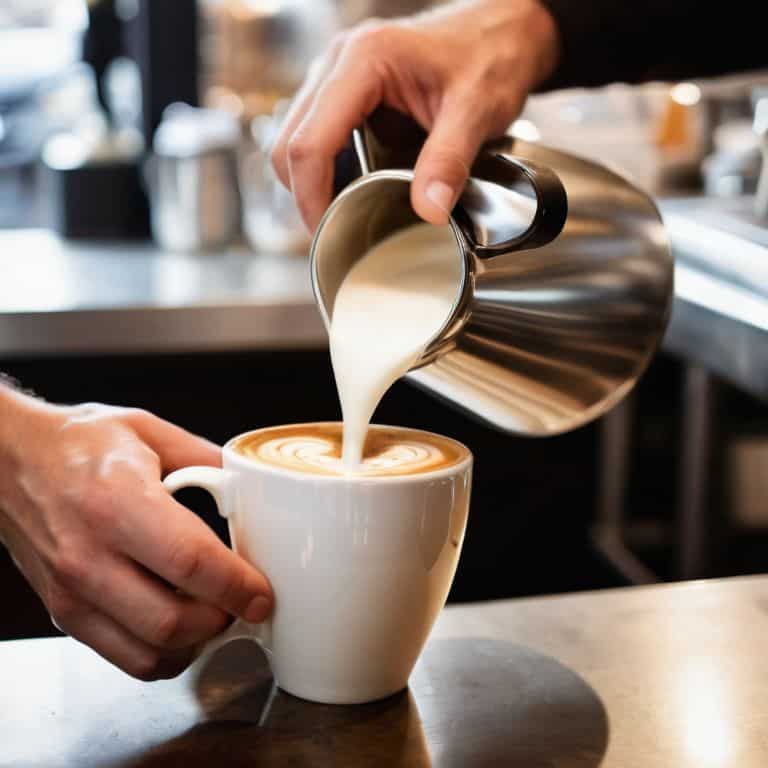
When it comes to unlocking best milk for latte art, the type of milk used is crucial. It’s not just about the taste, but also about the texture and behavior of the milk when steamed and poured. High-quality milk can make all the difference in creating beautiful, intricate designs on the surface of your coffee.
In a head-to-head analysis, whole milk and skim milk perform differently in terms of stability and flow. Whole milk, with its higher fat content, tends to be more forgiving and easier to work with, allowing for smoother, more consistent pours. On the other hand, skim milk can be more temperamental, requiring a more delicate touch to achieve the desired effect.
In contrast, non-dairy milks like almond or soy milk can be even more challenging to work with, often requiring specialized techniques and equipment to achieve the right texture and viscosity. However, with practice and patience, these milks can also produce stunning results. Ultimately, the best milk for latte art is one that balances performance and aesthetics, making whole milk the clear winner in this category.
Key Takeaways for Latte Art Mastery
Choose the right milk type: I’ve found that non-fat or low-fat milk alternatives work best for latte art, as they provide a smoother, more velvety texture and a better balance of protein and fat for optimal foamability
Experiment with temperature and stretching: The ideal temperature for steaming milk is between 140°F and 160°F, and stretching the milk to the right consistency is crucial – aim for a smooth, silky microfoam that holds its shape
Practice, practice, practice: Latte art is all about feel and technique, so don’t be discouraged if it takes time to get the hang of it – start with simple designs and gradually move on to more intricate patterns, and remember to always use fresh, high-quality milk for the best results
The Latte Art Revelation
The right milk for latte art isn’t just about aesthetics; it’s about harmony – finding the perfect balance between flavor, texture, and visual appeal that elevates your craft from mere mortal to master barista.
Julian Vale
The Final Verdict: Which Should You Choose?
After carefully evaluating the top contenders for the best milk for latte art, it’s clear that each option has its unique strengths and weaknesses. The quality of the milk plays a crucial role in determining the success of your latte art, and factors such as fat content, protein structure, and temperature tolerance all come into play. Whether you’re a beginner or an experienced barista, understanding these factors is essential to creating beautiful and intricate designs that will elevate your coffee game.
So, which milk is the overall winner? In my opinion, the best milk for latte art is whole milk, specifically high-quality, fresh milk with a fat content of around 3-4%. This type of milk is ideal for experienced baristas who want to create complex designs, while alternative milks like almond or soy milk are better suited for health-conscious coffee lovers who still want to enjoy great latte art. Ultimately, the choice of milk depends on your personal preferences and goals, but with the right milk and a bit of practice, you can create stunning latte art that will impress even the most discerning coffee connoisseurs.
Frequently Asked Questions
What type of milk is best for creating intricate latte art designs?
For intricate latte art, I swear by microfoam made from whole milk or a non-dairy alternative with a high fat content, like oat or almond milk. The key is to find a milk that can hold its shape and create a smooth, silky texture – it’s all about the balance of fat and protein.
How does the fat content of milk affect its performance in latte art?
Fat content is crucial for latte art – it affects the milk’s viscosity and stretchiness. Generally, milk with 3-4% fat content is ideal, as it holds its shape and creates a smooth, silky texture. Too little fat and the milk won’t hold its design; too much and it becomes too thick and difficult to pour.
Can non-dairy milks be used for latte art and if so, which ones work best?
While traditional dairy milk is ideal for latte art, some non-dairy alternatives can work beautifully. I’ve had great success with oat and almond milks, which provide a similar texture and stability to dairy. However, it’s crucial to choose a high-quality, barista-specific non-dairy milk to achieve the best results.