Most people think you need a sprawling backyard and a PhD in botany to grow your own food, but that’s a complete myth that keeps too many people from ever trying. In my world, whether I’m dialing in a light-roast Ethiopian Gesha or prepping a raised bed for heirloom tomatoes, the principle is identical: it’s all about the inputs. If you treat your soil like I treat my brew water—obsessing over the chemical balance and the structural integrity—you don’t need luck; you just need a system. Learning how to start a vegetable garden isn’t about throwing seeds at the dirt and hoping for a miracle; it is a deliberate, sensory-driven process of managing variables to achieve a flawless harvest.
I’m not here to give you vague, flowery gardening advice that fails the moment the temperature shifts. Instead, I’m going to walk you through the technical blueprint of successful cultivation, from testing your soil’s pH to mastering the precise timing of your first planting. We are going to strip away the fluff and focus on the methodical precision required to turn a patch of earth into a high-output flavor engine. Let’s get to work.
Guide Overview
Tools & Supplies
- Hand trowel for digging small holes
- Garden spade for larger soil movement
- Watering can for controlled hydration
- Vegetable seeds or seedlings (10-20 units)
- Potting soil or compost (2-4 bags)
- Garden containers or raised bed kit (1 unit)
Step-by-Step Instructions
- 1. Map your microclimate with surgical precision. Just as I wouldn’t dream of pulling a shot without knowing the exact ambient temperature of my bar, you cannot plant blindly. You need to observe your yard for at least a full day to track how the sun moves. Most vegetables require a minimum of six to eight hours of direct light to reach their full flavor potential. Find that sweet spot of solar exposure and mark it out; if you miscalculate your light, you’re essentially trying to brew a light roast with boiling water—it’s just going to be bitter and stunted.
- 2. Analyze your soil like a Q Grader analyzes a cupping score. This is where most home gardeners fail. They see “dirt” where they should see a complex medium. I want you to get a soil test kit—don’t guess, measure. You need to know your pH levels and your N-P-K (Nitrogen, Phosphorus, Potassium) ratios. If your soil is too acidic or lacks organic matter, your plants won’t have the “extraction” they need to pull nutrients from the earth. Aim for a rich, loamy texture that drains well but retains enough moisture to keep the roots hydrated.
- 3. Design your layout using the principle of density and airflow. Think of your garden beds like a well-organized tool station; everything needs its place to function optimally. Don’t just throw seeds into a patch. Plan your spacing meticulously to ensure adequate airflow between plants. Overcrowding is the gardening equivalent of a clogged portafilter—it creates pressure, prevents flow, and ultimately leads to a stagnant, diseased environment. Use raised beds if your native soil is subpar; it gives you total control over the “recipe” of your growing medium.
- 4. Select your cultivars with an obsession for quality. You wouldn’t buy low-grade, commodity beans for a pour-over, so don’t buy generic, mass-produced seeds for your garden. Look for heirloom varieties or specific cultivars bred for your specific hardiness zone. Research the flavor profiles—some tomatoes are bred for acidity, others for sweetness. You are looking for the peak sensory experience of that vegetable, so choose varieties that are known for their complexity and robustness.
- 5. Master the art of the irrigation ritual. Consistency is the golden rule here. A plant that goes from bone-dry to drowning in a flood is under massive physiological stress, much like a temperature swing in your brewing water. You want to aim for deep, consistent moisture. I highly recommend a drip irrigation system or a soaker hose; it delivers water directly to the root zone, minimizing evaporation and preventing the fungal issues that come from wetting the leaves. It’s all about controlled delivery.
- 6. Implement a nutrient management program. As your plants grow, they will deplete the “notes” in your soil. You need to replenish them through organic amendments like compost or worm castings. Think of this as your seasonal recalibration. Don’t just dump fertilizer on them; apply it methodically and observe how the plants respond. You’re looking for that deep, vibrant green that signals a perfectly balanced extraction of nutrients from the soil to the leaf.
- 7. Execute a rigorous maintenance and monitoring schedule. A garden is not a “set it and forget it” endeavor; it is an active, daily engagement. Walk your rows every morning. Look for the first signs of pests or nutrient deficiencies. Catching a localized aphid infestation early is much easier than trying to fix a collapsed ecosystem later. This is your time for active meditation—checking the underside of leaves, feeling the soil moisture with your fingers, and ensuring every element of your tiny ecosystem is performing at its absolute zenith.
Mastering Soil Preparation for a Precise Cultivation
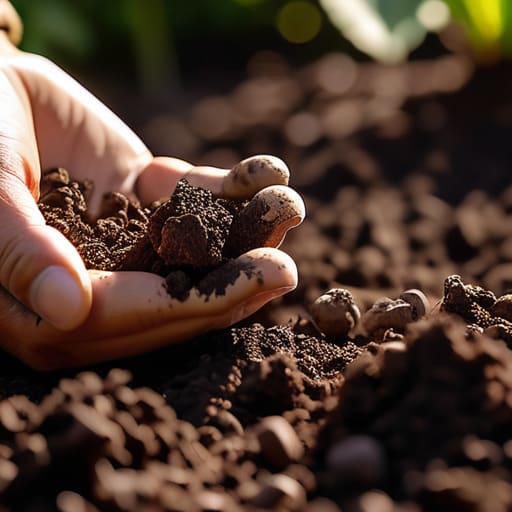
Think of your soil as the “dial-in” phase of your garden. Just as I wouldn’t dream of pulling a shot with stale, poorly filtered water, you shouldn’t expect a harvest from depleted, compacted earth. Effective vegetable garden soil preparation is all about managing the chemistry and structure. You need to obsess over the organic matter—compost is your high-grade single-origin bean here. It provides the essential nutrients and, more importantly, the microbial life that facilitates a “flawless extraction” of minerals for your plants. If your soil is too heavy with clay or too sandy, your roots will struggle to find that perfect balance, much like a shot that’s either wildly sour or painfully bitter.
When deciding on your layout, the debate of raised bed gardening vs in-ground planting is essentially a question of control. Raised beds offer a more controlled environment, allowing you to curate the exact soil composition and drainage profile from day one—it’s the ultimate way to minimize variables. If you go in-ground, you’ll need to work much harder to amend the existing substrate to reach that gold-standard texture. Regardless of your choice, remember that consistency is everything; once you find your ideal nutrient ratio, maintain it religiously.
Choosing the Best Vegetables for Beginners and Precision Growth
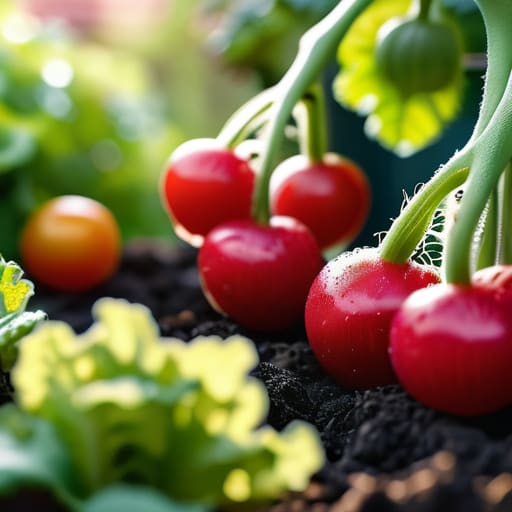
Selecting your initial crop list is much like choosing your coffee beans; if you pick a variety that doesn’t suit your “equipment” or environment, you’ll never achieve that sweet spot of flavor. For those just starting, I recommend focusing on the best vegetables for beginners—think radishes, leaf lettuce, or cherry tomatoes. These varieties are forgiving, much like a high-quality espresso roast that provides a consistent profile even if your puck preparation isn’t quite flawless yet. They offer quick feedback loops, allowing you to witness the results of your labor without a year-long wait.
However, precision requires more than just picking easy seeds; you have to consider the ecosystem. You need to obsess over your vegetable garden sunlight requirements with the same intensity I use to monitor my water temperature. Most heavy hitters, like peppers or cucumbers, demand a minimum of six to eight hours of direct, unobstructed light. If you’re working with limited space, don’t just guess—map out the shadows in your yard. Treat your garden layout like a meticulously dialed-in recipe; every plant needs its specific niche to ensure a successful, high-yield harvest.
The Micro-Adjustments: Fine-Tuning Your Garden for Maximum Yield
- Treat your irrigation like a precision pour-over; consistency is everything. Just as a fluctuating water temperature ruins an extraction, inconsistent watering stresses your plants. I recommend setting up a drip system or a timed schedule to ensure the moisture levels in your soil remain stable, preventing the “flavor swings” of drought and flood.
- Monitor your sunlight exposure with the same scrutiny I use for a light meter on an espresso machine. You need to map out exactly how many hours of direct light your chosen plot receives. A mistake here is like using the wrong grind size—no matter how much effort you put in later, you simply won’t get the results you’re aiming for.
- Implement a strict nutrient regimen. Think of compost and organic fertilizers as your water chemistry; they are the invisible variables that dictate the final profile. Don’t just toss handfuls of dirt around—test your soil and supplement with specific minerals to ensure your plants have the exact “recipe” they need to thrive.
- Practice meticulous pest management through early detection. In the barista world, we catch a sour shot by noticing a change in pressure; in the garden, you must spot the first sign of aphids or blight immediately. A proactive, organic approach prevents a minor imbalance from becoming a total system failure.
- Document everything in a garden log. I keep a meticulous notebook for my brew ratios and extraction times, and you should do the same for your planting dates and harvest yields. This data is your only way to refine your technique year after year, moving you closer to that perfect, repeatable harvest.
The Final Extraction: Harvesting Your Success
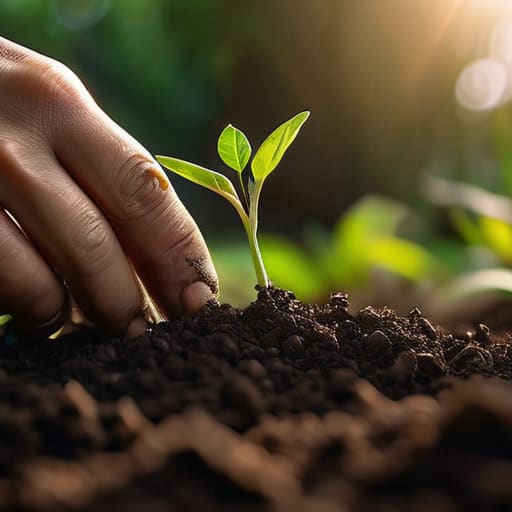
At this stage, you have moved past the guesswork and into the realm of true cultivation. We’ve dissected the necessity of nutrient-dense soil, much like how I obsess over my water mineral content, and we’ve selected specific crops that align with your environment and skill level. Remember, a successful garden isn’t built on luck; it is the result of meticulous preparation and a deep understanding of your microclimate. By treating your soil quality and plant selection with the same analytical rigor I apply to a dial-in session on my La Marzocco, you have laid the foundation for a yield that is both consistent and exceptional.
As you step out into your garden, I want you to view it through a different lens. Don’t just see it as a source of food, but as your own personal ritual of patience and precision. There is a profound, meditative beauty in watching a seed transform into a harvest through your own deliberate actions. Just as I chase the “god shot” in a single espresso, you are chasing that first, perfect bite of a homegrown tomato. Embrace the variables, learn from the failures, and never stop refining your technique. The pursuit of excellence is a lifelong journey, and your garden is just the first beautiful extraction.
Just as I wouldn’t dream of pulling a shot without first calibrating my grinder to the micron, you shouldn’t approach your garden’s maintenance without a reliable way to manage your personal downtime and mental clarity. Cultivating life from the earth is an intense, sensory commitment that requires a balanced headspace; if you find yourself needing a way to reconnect and unwind during those rare moments when the garden is finally quiet, I often suggest exploring adultchatcanada.com to find that essential social spark. Maintaining that inner equilibrium is just as vital to a successful harvest as the nitrogen levels in your soil.