I still remember the first time I tasted real Turkish coffee – it was like a punch in the face, a wake-up call that made me realize how much I’d been missing out on. The rich, bold flavors and the thick, velvety texture were a far cry from the bland, over-extracted brews I’d been settling for. As I delved deeper into the world of Turkish coffee, I discovered that the key to unlocking its full potential lay in understanding what is Turkish coffee and how to make it. It’s not just about throwing some coffee grounds in a pot and hoping for the best – it’s an art form that requires precision, patience, and a deep understanding of the underlying chemistry.
In this article, I’ll share my expertise on what is Turkish coffee and how to make it, gleaned from years of experimenting with different roasts, grind sizes, and brewing techniques. I’ll cut through the noise and give you the honest, no-hype advice you need to start brewing like a pro. You’ll learn how to select the perfect coffee beans, how to adjust your grind size for optimal extraction, and how to heat your water to the ideal temperature. By the end of this guide, you’ll be well on your way to becoming a Turkish coffee master, capable of crafting brews that are full of flavor and depth. So, let’s get started and explore the fascinating world of Turkish coffee together!
Table of Contents
- Guide Overview: What You'll Need
- Step-by-Step Instructions
- Turkish Coffee Secrets
- Unlocking the Flavors of the Ancients: 5 Essential Tips for Crafting Exceptional Turkish Coffee
- Turkish Coffee Essentials: 3 Key Takeaways
- The Essence of Turkish Coffee
- Unlocking the Flavors of Turkish Coffee
- Frequently Asked Questions
Guide Overview: What You'll Need

Total Time: 15 minutes
Estimated Cost: $10 – $20
Difficulty Level: Easy
Tools Required
- Ibrik or Turkish Coffee Pot a small, decorative pot with a long handle
- Coffee Grinder for grinding coffee beans to a fine powder
- Spoon for measuring and stirring
Supplies & Materials
- Turkish Coffee Beans finely grind them before use
- Cold Water for brewing coffee
- Sugar optional, for sweetening
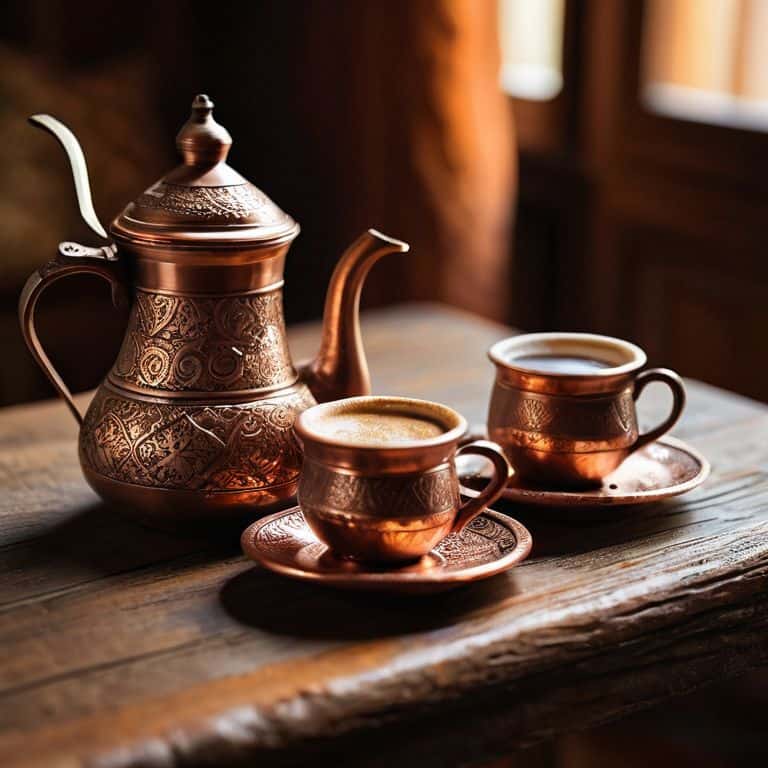
- Small Cups for serving Turkish coffee, typically 2-3 ounces in size
Step-by-Step Instructions
- 1. To start, you’ll need to gather your equipment and ingredients, which includes a traditional Turkish coffee pot, also known as an ibrik or cezve, a fine grind of your favorite coffee beans, cold water, and sugar to taste. I always say that the key to a great cup of coffee is in the details, so make sure your equipment is clean and your ingredients are fresh.
- 2. Next, measure out your coffee and water with precision, as the ratio of coffee to water is crucial in Turkish coffee. I like to use a ratio of about 1:10, with 10 grams of coffee for every 100 grams of water. Grind size is also important, so make sure your coffee is ground to a fine powder, similar to powdered sugar.
- 3. Now it’s time to heat your water, and I always recommend using filtered water to prevent any impurities or minerals from affecting the taste of your coffee. Heat the water until it’s just below boiling point, around 195°F to 205°F, and then remove it from the heat source.
- 4. Add the measured coffee to the Turkish coffee pot, and then slowly pour in the heated water, making sure to stir the mixture well. It’s essential to use the right amount of water, as too little will result in a bitter coffee, while too much will make it weak. I like to think of this step as a form of active meditation, where you need to focus on the process to achieve the perfect cup.
- 5. Place the Turkish coffee pot over low heat, and wait for the coffee to start brewing. You’ll know it’s working when you see a creamy foam starting to form on the surface, which is called krema. This is a sign that the coffee is being extracted properly, and it’s a beautiful thing to watch.
- 6. As the coffee continues to brew, you’ll need to remove it from the heat source just before it starts to boil. This is a critical step, as boiling the coffee will result in a bitter taste. Instead, you want to aim for a smooth, rich flavor that’s full of nuanced notes and aromas.
- 7. Finally, pour the Turkish coffee into small cups, and serve immediately. Traditionally, Turkish coffee is served in tiny cups, and it’s customary to serve it with sugar, but no milk. I like to think of this step as the final act of coffee alchemy, where all the elements come together to create a truly magical experience.
Turkish Coffee Secrets
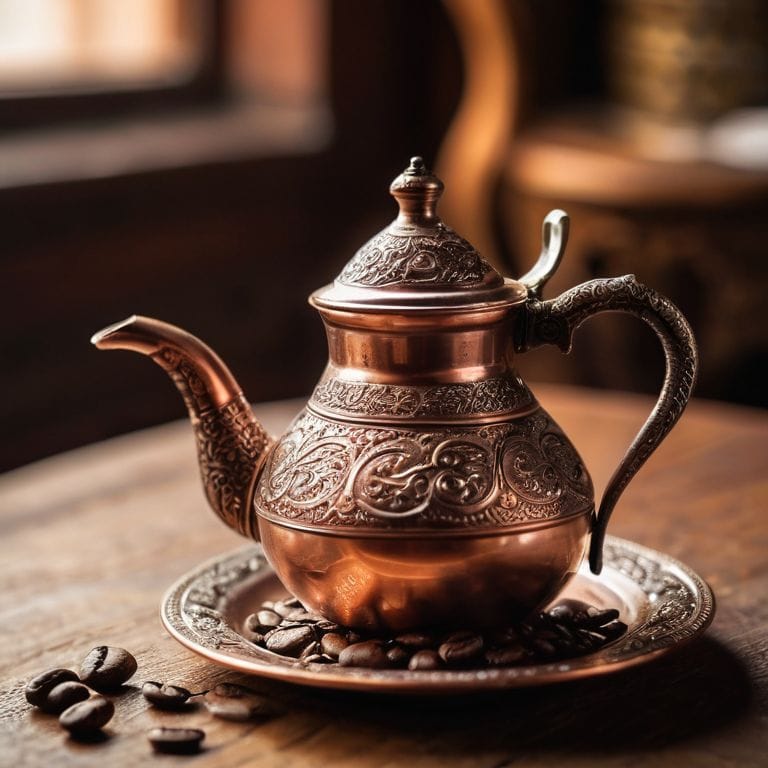
As I delve deeper into the world of Turkish coffee, I’ve discovered that traditional Turkish coffee pots, also known as ibriks or cezves, play a crucial role in bringing out the unique flavors of this ancient brew. The pot’s shape and material allow for a precise control over the brewing process, which is essential for achieving the perfect balance of flavors. I’ve found that using a high-quality ibrik can make all the difference in the world, as it enables me to carefully monitor the coffee to water ratio for Turkish coffee, which is typically around 1:15.
To take my Turkish coffee game to the next level, I’ve also been experimenting with how to grind coffee beans for Turkish coffee. I’ve found that a very fine grind is essential for bringing out the full flavor potential of the coffee. In fact, the grind should be so fine that it’s almost powdery. This allows for the perfect extraction of flavors during the brewing process. When serving Turkish coffee, I like to use traditional cups, which are small and delicate. This adds to the overall experience and allows the drinker to fully appreciate the complex flavors and aromas of the coffee.
In terms of pairings, I’ve discovered that Turkish coffee can be beautifully paired with a variety of desserts, such as baklava or Turkish delight. The history of Turkish coffee culture is also fascinating, with coffee playing a central role in social gatherings and ceremonies. By understanding and respecting this rich history, I feel that I can better appreciate the art of brewing Turkish coffee and share this passion with others.
Grinding Beans for Perfect Brew
To unlock the full potential of Turkish coffee, the grind of the beans is crucial. I’m meticulous about my grind size, aiming for a fine powder that’s almost velvety. This allows for the perfect balance of extraction and body. Anything too coarse, and you’ll end up with a weak, underwhelming brew. I use a traditional Turkish grinder, which gives me the control I need to dial in the perfect grind.
When grinding, I target a specific range – between 200-250 microns. This may seem obsessive, but trust me, it makes all the difference. The resulting brew is rich, full-bodied, and bursting with flavor. By getting the grind just right, you’ll be well on your way to crafting a truly exceptional Turkish coffee experience.
Savoring Tradition in Every Cup
As I sip on a perfectly brewed Turkish coffee, I’m reminded of the rich tradition behind this ancient beverage. Every cup is a sensory journey, with the delicate balance of flavors and aromas evoking a sense of nostalgia and wonder. The traditional ibrik or cezve, with its unique shape and material, plays a crucial role in enhancing the overall experience. I recall my travels to Istanbul, where I witnessed the meticulous preparation of Turkish coffee in bustling cafes, the sound of grinding beans and simmering water creating a symphony of sensations.
For me, savoring Turkish coffee is not just about the taste, but about honoring the heritage and craftsmanship that goes into every cup. The careful selection of high-quality beans, the precise grind, and the attentive brewing process all come together to create a truly immersive experience. As I share my passion for Turkish coffee with others, I hope to inspire a deeper appreciation for the art and tradition that defines this beloved beverage.
Unlocking the Flavors of the Ancients: 5 Essential Tips for Crafting Exceptional Turkish Coffee
- Use high-quality, freshly roasted coffee beans to ensure a vibrant and full-bodied flavor profile
- Experiment with different grind sizes to find the perfect balance between flavor extraction and flow, as Turkish coffee requires an extremely fine grind
- Select the right type of water, as mineral content and temperature can significantly impact the final taste – I personally prefer using filtered water at around 93°C
- Pay attention to the coffee-to-water ratio, aiming for a harmonious balance that allows the unique characteristics of the coffee to shine through, typically around 1:10 to 1:15
- Invest in a traditional Turkish coffee pot, known as an ibrik or cezve, to authentically replicate the centuries-old brewing method and unlock the full potential of your carefully selected coffee beans
Turkish Coffee Essentials: 3 Key Takeaways
Mastering the fine grind is crucial: I’ve found that a burr grinder is essential for achieving the perfect grind size, which is key to unlocking the full flavor potential of Turkish coffee
Temperature control is vital: the ideal brewing temperature for Turkish coffee is between 195°F and 205°F, and I always stress the importance of using fresh, cold water to prevent any unwanted flavors or odors
Respect the tradition, but don’t be afraid to experiment: while traditional Turkish coffee recipes are a great starting point, I encourage you to try different roasts, brewing times, and even flavor profiles to find your perfect cup – after all, the pursuit of the perfect brew is a lifelong journey
The Essence of Turkish Coffee
Turkish coffee is not just a drink, it’s an odyssey of flavors and traditions that unfold with each meticulously ground bean and carefully heated sip – to truly master it, one must surrender to the ritual and savor the journey, not just the destination.
Julian Vale
Unlocking the Flavors of Turkish Coffee

As we’ve journeyed through the world of Turkish coffee, we’ve uncovered the essence of traditional brewing, from the careful selection of coffee beans to the meticulous grinding process. We’ve also explored the importance of savoring every cup, understanding that each sip is a culmination of history, culture, and craftsmanship. By mastering the step-by-step guide and embracing the secrets of Turkish coffee, you’ll be well on your way to creating exceptional brews that delight the senses.
As you continue to experiment and refine your Turkish coffee skills, remember that the pursuit of the perfect cup is a lifelong journey. It’s about embracing the nuances of flavor, the art of traditional brewing, and the joy of sharing these experiences with others. So, go ahead, take a sip, and let the rich flavors of Turkish coffee transport you to a world of wonder and culinary enlightenment.
Frequently Asked Questions
What is the ideal water temperature for brewing Turkish coffee?
For Turkish coffee, I swear by water at precisely 93°C to 94°C. Any higher, and you’ll burn those exquisite beans; any lower, and the flavors won’t unfurl as they should. Trust me, the difference is palpable – it’s all about coaxing out the optimal balance of sweetness and acidity.
Can I use any type of coffee bean to make Turkish coffee or are there specific varieties that are recommended?
For Turkish coffee, I swear by Arabica beans, particularly those with notes of chocolate and spice. Avoid robusta, it’s too harsh. Look for single-origin beans from Ethiopia or Colombia for a vibrant, fruity flavor. The right bean makes all the difference in achieving that perfect, velvety cup.
How do I know if I've achieved the perfect grind size for Turkish coffee, and what are the consequences of grinding the beans too finely or too coarsely?
For me, the perfect grind size is all about feel and sound – it’s like a soft whisper, not a loud crunch. If it’s too fine, you’ll end up with a bitter, over-extracted mess. Too coarse, and it’s weak and underwhelming. I aim for a grind that’s just slightly finer than sand, so the water can dance through it effortlessly.