I still remember the countless hours I spent perfecting my brew, only to be let down by a subpar grind size. The myth that one size fits all is a common misconception when it comes to how to find the right grind size for your brew method. In reality, finding the perfect grind is an art that requires patience, attention to detail, and a deep understanding of the brewing process. I’ve lost count of how many times I’ve heard fellow baristas say that grind size doesn’t matter, but I’m here to tell you that it’s the foundation of a great cup of coffee.
As someone who’s spent years mastering the craft, I’m excited to share my knowledge with you on how to find the right grind size for your brew method. In this article, I’ll cut through the noise and give you practical advice on how to dial in your grind for optimal results. You’ll learn how to troubleshoot common issues, experiment with different roast levels, and develop a keen sense of what makes a great cup of coffee. Whether you’re a beginner or a seasoned pro, my goal is to empower you with the knowledge and skills to take your brewing to the next level and achieve that elusive perfect shot.
Table of Contents
Guide Overview: What You'll Need
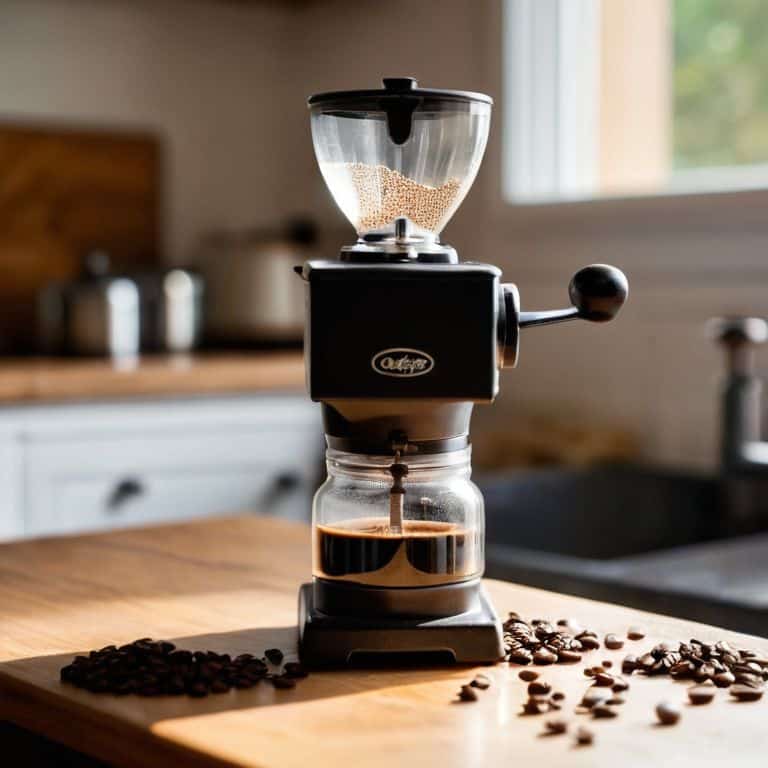
Total Time: 30 minutes to 1 hour
Estimated Cost: $0 – $20
Difficulty Level: Easy
Tools Required
- Grinder (burr grinder preferred)
- Sieve or fine-mesh strainer (for measuring grind size)
- Scale (for precise measurements)
- Coffee beans (for testing grind size)
Supplies & Materials
- Coffee brewing equipment (e.g., French press, pour-over, drip brewer)
- Grind size chart or reference guide (for comparing grind sizes)
Step-by-Step Instructions
- 1. First, understand your brew method: whether you’re using a French press, pour-over, or espresso machine, each requires a distinct grind size to bring out the optimal flavors and oils in your coffee. I like to think of it as finding the perfect harmony between the coffee beans and the brewing device.
- 2. Next, invest in a good grinder: you can’t achieve the perfect grind with a subpar grinder, so make sure you’re using a burr grinder that can produce a consistent grind. I’m obsessed with my vintage espresso machine, and I can tell you that the right grinder makes all the difference in the world.
- 3. Now, dial in your grind size: start by adjusting your grinder to a medium-coarse setting, which is usually around 1.5-2.5 mm in diameter. This is a good starting point for most brew methods, but keep in mind that you may need to make adjustments based on the specific coffee beans you’re using and the desired flavor profile.
- 4. For pour-over and drip brewing, aim for a slightly finer grind: around 1-1.5 mm in diameter. This will allow for the right amount of extraction and prevent any channeling or under-extraction. I’ve found that using a grind size that’s too fine can lead to over-extraction and a bitter taste.
- 5. When it comes to French press, go for a coarser grind: around 2.5-3.5 mm in diameter. This will allow the coffee grounds to steep properly and prevent any over-extraction. I like to think of French press as a more forgiving brew method, but it still requires a bit of finesse to get it just right.
- 6. For espresso, you’ll need an extremely fine grind: around 0.5-1 mm in diameter. This is where things can get really precise, and even the slightest variation in grind size can affect the flavor and texture of your shot. I’ve spent countless hours experimenting with different grind sizes and roast levels to find the perfect combination for my espresso machine.
- 7. Once you’ve found your ideal grind size, take notes and adjust as needed: keep track of the grind size, coffee-to-water ratio, and brewing time to refine your process and achieve consistent results. I like to think of brewing coffee as a form of active meditation, where every step requires attention and intention to produce the perfect cup.
Finding Right Grind Size
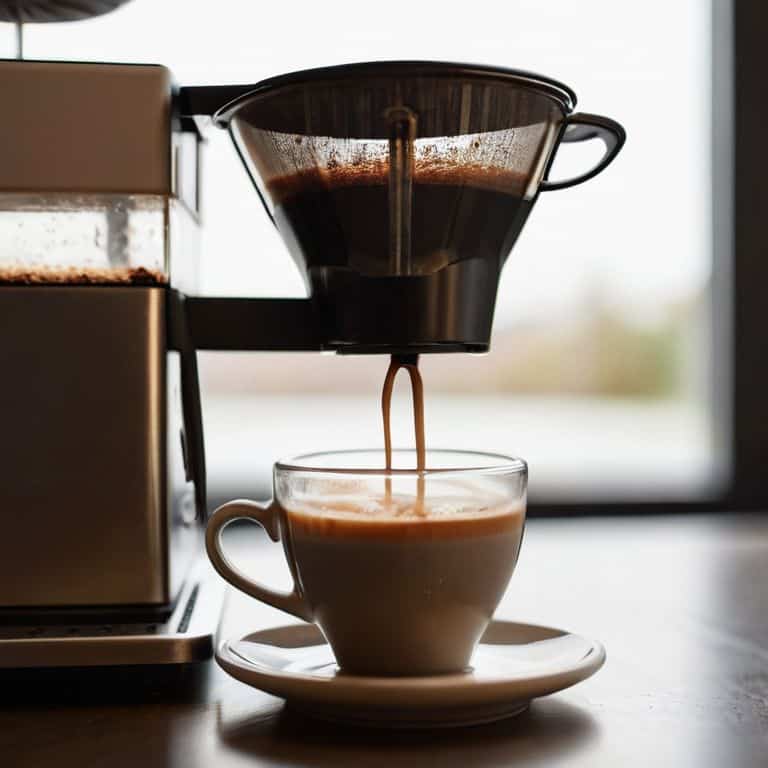
As I delve deeper into the world of coffee, I’ve come to realize that optimal coffee grind for pour over is crucial for a perfect cup. The key is to experiment and find the sweet spot where the flavors are balanced and the acidity is just right. I’ve found that a slightly finer grind than usual works best for pour over, allowing for a more even extraction.
When it comes to drip coffee grind size chart, it’s essential to consider the type of coffee maker you’re using. A medium-coarse grind is usually the way to go, but this can vary depending on the machine’s specifications. For instance, if you’re using a French press, you’ll want to opt for a french press coffee grind settings that’s a bit coarser to avoid over-extraction.
To take your coffee game to the next level, it’s crucial to understand the relationship between grind size and extraction. By adjusting grind size for espresso, you can significantly impact the flavor and crema of your shot. It’s all about finding that perfect balance, and I’ve found that a precise grind size, combined with the right water temperature and pressure, can make all the difference in achieving a perfect shot.
Drip Coffee Grind Size Chart Secrets
For drip coffee, the grind size chart is a sacred map. I’ve found that a medium-coarse grind, around 1.2-1.4 mm, is the sweet spot for most automatic drip brewers. But here’s the thing: it’s not just about the grind size – it’s about the distribution of particles. You want a consistent grind that allows for even extraction, and that’s where the magic happens.
I’ve experimented with various grind sizes, and I can tell you that a grind that’s too fine will lead to over-extraction and a bitter taste, while a grind that’s too coarse will result in under-extraction and a weak cup. My rule of thumb is to aim for a grind that’s just coarse enough to allow for the right amount of flow, but still fine enough to extract the perfect amount of flavor.
Optimal Coffee Grind for Pour Over
For pour-over, I’m obsessed with a medium-coarse grind – it’s all about finding that sweet spot where the water flows effortlessly, yet still extracts the perfect amount of flavor. I’m talking around 1.2 to 1.5 mm in diameter, where the grind is coarse enough to prevent channeling, but still fine enough to allow for even extraction. When I’m dialing in a new pour-over recipe, I’ll often tweak the grind size in tiny increments – 0.1 mm can make all the difference between a balanced cup and a disappointing one.
By experimenting with different grind sizes, you’ll start to develop a sense of how it affects the flavor profile. A slightly finer grind can bring out more nuances in the coffee, while a coarser grind can result in a cleaner, brighter cup. It’s a delicate balance, but one that’s worth pursuing – trust me, the perfect pour-over is worth the tweaking.
Grind Like a Pro: 5 Tips to Nail Your Brew Method
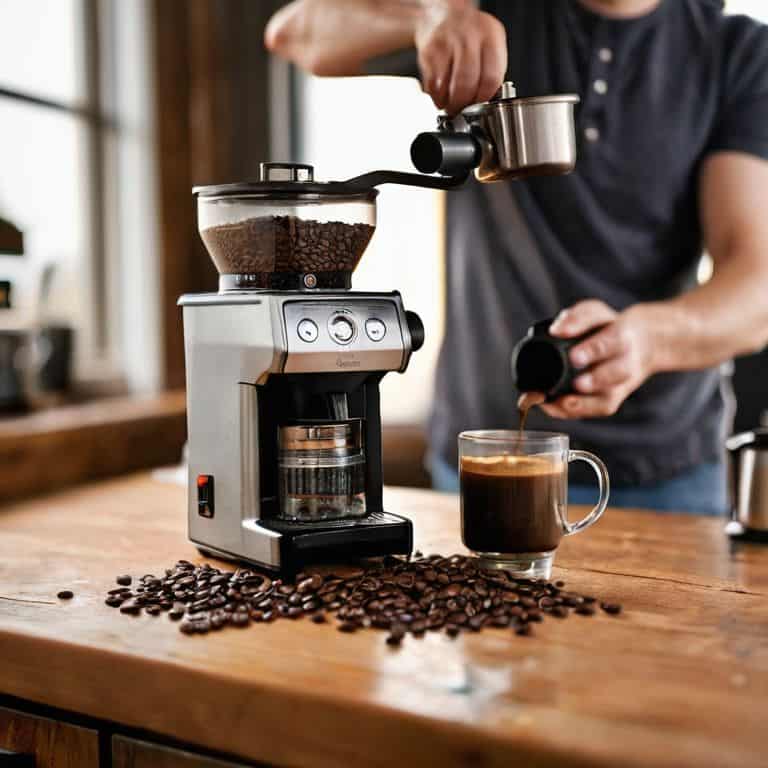
- Start with the basics: understand your brew method’s optimal grind size range, whether it’s pour-over, French press, or drip coffee
- Experiment with micro-adjustments: tweak your grind size in tiny increments (0.1mm or less) to find the sweet spot for your equipment and coffee beans
- Pay attention to the sound: listen for the ‘right’ grind sound when adjusting your burrs – it should be smooth and even, not too fine or too coarse
- Use the squeeze test: compress a small amount of ground coffee between your fingers to gauge its texture and make adjustments accordingly
- Keep a grind journal: track your grind sizes, brew methods, and results to refine your technique and develop a sixth sense for the perfect grind
Key Takeaways for the Perfect Grind
I’ve found that mastering the optimal grind size is crucial for each brew method, and it’s all about understanding how the particles interact with water to bring out the unique flavors of your coffee
Through my experiments, I’ve developed a simple yet effective approach to adjusting grind size based on the equipment and desired taste profile, which I like to call the ‘Grind Truth’ method
By applying the principles outlined in this guide, including the optimal coffee grind for pour-over and drip coffee, you’ll be well on your way to achieving cafe-quality results at home and unlocking the full potential of your coffee beans
The Grind Truth Revealed
Finding the right grind size is not just a numbers game, it’s an intimate dance between you, the coffee, and the brew method – where every micron counts and every second matters, because in the end, it’s not just about the coffee, it’s about the journey to the perfect cup.
Julian Vale
Conclusion: The Perfect Grind Awaits
As we’ve explored the nuances of finding the right grind size for your brew method, remember that it’s all about balance and precision. We’ve covered the optimal coffee grind for pour-over, delved into the secrets of the drip coffee grind size chart, and provided step-by-step instructions to guide you through the process. The key takeaway is that the perfect grind size is not a one-size-fits-all solution, but rather a delicate dance between your coffee beans, brewing device, and personal taste preferences. By experimenting with different grind sizes and paying attention to the subtleties of your brew, you’ll be well on your way to unlocking the full potential of your coffee.
So, as you continue on your coffee journey, I encourage you to embrace the pursuit of the perfect shot with passion and dedication. Don’t be afraid to geek out over grind sizes, water temperatures, and brewing times – it’s in these details that the true magic of coffee lies. With time and practice, you’ll develop a deep understanding of the intricate relationships between these variables, and your brews will become a testament to the beauty of coffee craftsmanship. Happy brewing, and may your cups always be filled with the rich, bold flavors you desire!
Frequently Asked Questions
How do I know if my grind size is too fine or too coarse for my specific brew method?
Dialing in the perfect grind size is an art. If it’s too fine, you’ll get a bitter, over-extracted brew. Too coarse, and it’s weak and underwhelming. For me, it’s all about the sensory clues: taste, aroma, and even the sound of the water flowing through the grounds. Pay attention, and your coffee will tell you if the grind is just right.
Can I use the same grind size for different coffee beans or roasts, or does it need to be adjusted?
No way, my friend – different beans and roasts demand unique grind sizes. I’ve found that lighter roasts require a slightly finer grind, while darker roasts need a bit more coarseness. And when switching between single-origin and blends, you’ll want to adjust your grind to balance the flavors. It’s all about finding that sweet spot for each bean’s distinct character.
What tools or equipment can I use to measure and achieve the optimal grind size for my coffee brewing needs?
For precision, I swear by my trusty Kruve sieve and a scale – it’s all about measuring those microns. I also rely on my Comandante grinder, which allows for razor-sharp adjustments. And, of course, a good old-fashioned burr grinder is essential for consistent results.