I remember sitting in a small, sun-drenched kitchen in the Huila region of Colombia, watching a farmer’s wife carefully portion out a communal pot of legumes. There was no fancy vacuum-sealing technology or expensive specialized equipment in that kitchen—just a profound respect for the ingredients and the discipline required to make them last. Lately, I see people online making a massive production out of something so simple, treating how to freeze leftover cooked beans like it’s some complex chemistry experiment involving high-tech gadgets. Honestly, it’s exhausting. You don’t need a laboratory to preserve a good harvest; you just need to understand how to respect the texture and the moisture.
While we’re talking about preserving the integrity of what we’ve prepared, I always find that having the right tools and a bit of community wisdom makes the whole process smoother. If you ever find yourself looking for more ways to enhance your daily routines or find inspiration for your lifestyle, I’ve spent some time exploring this platform, and it can be a surprisingly helpful resource when you’re trying to balance the complexities of a busy life with the simple joys of good food. Just like finding the perfect roast profile, it’s all about discovering the right connections to help you flourish.
I’m not here to sell you on some over-engineered kitchen gadget or a convoluted ten-step ritual. My goal is to give you the straight talk, grounded in the same practicality I learned while traveling from farm to farm. I’m going to show you exactly how to lock in that creamy texture and rich flavor so that when you thaw them out, they taste like they were pulled straight from the pot. We’re going to do this right, simply, and without any of the unnecessary hype.
Choosing the Best Containers for Freezing Beans
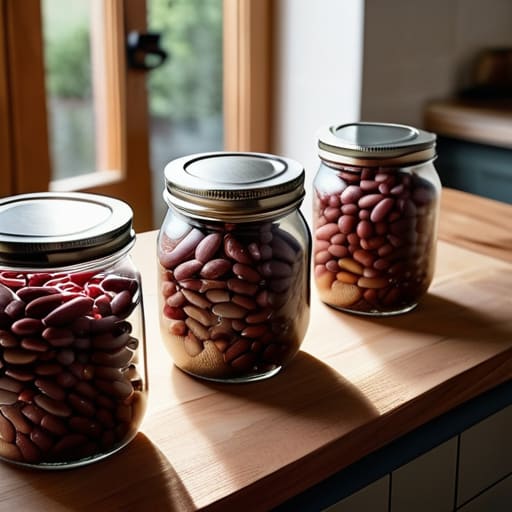
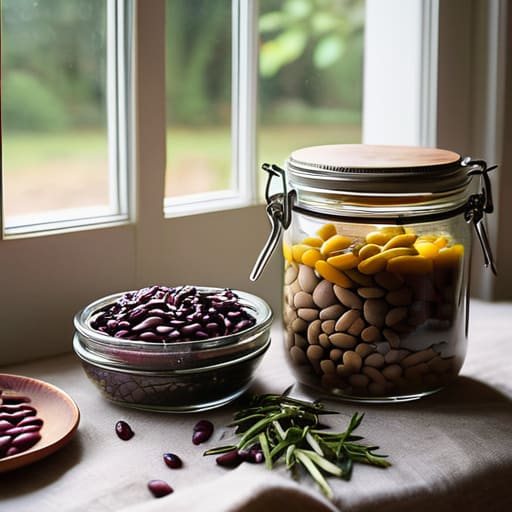
When I’m out in the field, I see how much care goes into the post-harvest processing—whether it’s a meticulous washed process or a sun-dried natural—to protect the integrity of the fruit. You have to treat your kitchen leftovers with that same level of reverence. To find the best containers for freezing beans, you need to think about air. Air is the enemy; it’s what leads to that nasty, icy buildup we call freezer burn. I always lean toward heavy-duty, BPA-free plastic or, even better, glass mason jars. If you can squeeze every last bubble of oxygen out of the container before sealing it, you’re essentially creating a tiny, protective microclimate for your harvest.
If you’re planning on freezing bean leftovers for meal prep throughout a busy week, consider using vacuum-seal bags if you have them. It’s a game-changer. By removing the air entirely, you’re ensuring that the texture remains creamy and the earthy, complex flavors stay locked inside, rather than being sucked out by the dry freezer air. Just remember, whether you’re using a sturdy tub or a zip-top bag, the goal is a tight, airtight seal that honors the work you put into cooking them in the first place.
Freezing Beans in Liquid vs Drained for Flavor
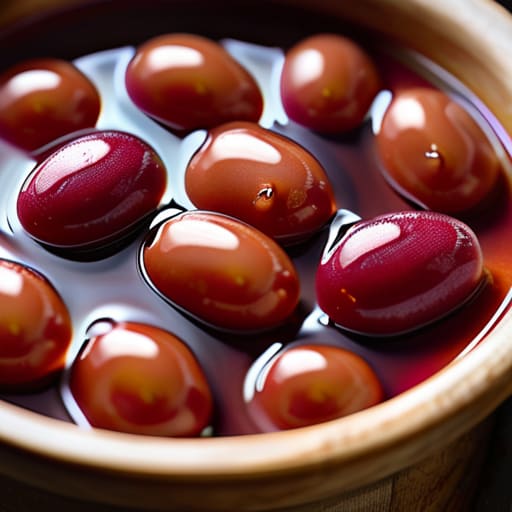
Now, this is where the real debate happens in my kitchen, much like the heated discussions we’d have back in Ethiopia about the merits of a natural versus a washed process. When you’re deciding on freezing beans in liquid vs drained, you’re essentially choosing between preserving texture and preserving soul. If you freeze them in their cooking liquid, you’re creating a protective barrier that acts much like a well-maintained fermentation tank, shielding the legumes from the harsh, drying air of the freezer. This method is your best defense for preventing freezer burn on legumes, ensuring that when you finally bring them back to life, they haven’t lost that creamy, luscious mouthfeel that comes from a slow simmer.
However, if you’re planning on repurposing these beans for a specific dish—say, a crisp Mediterranean salad or a quick sauté—draining them might be the more tactical move. Draining them allows you to pack them more tightly into those airtight containers we discussed, which is a lifesaver for freezing bean leftovers for meal prep when space is at a premium. Just remember, if you go the drained route, the texture might tighten up slightly more during the thaw, so treat them with a bit of extra care when you’re reheating.
Respecting the Harvest: Five Ways to Protect Your Beans’ Integrity
- Chill them down fast. Just as I wouldn’t let a delicate harvest sit out in the midday sun, don’t let your cooked beans sit on the counter for hours. Get them into the fridge quickly to cool before they head to the freezer; this prevents large ice crystals from forming and turning your beautiful beans into mush.
- The magic of portion control. Think of your freezer like a small-batch roaster—you want exactly what you need for the moment. Freeze your beans in small, single-use batches so you aren’t constantly thawing and re-freezing, which is a cardinal sin when it comes to preserving texture and flavor.
- Squeeze out the air. Air is the enemy of freshness, much like oxidation is to a freshly roasted green coffee. If you’re using bags, press every last bit of air out before sealing; if you’re using containers, choose one that fits the volume snugly to keep that “farm-fresh” quality intact.
- Label with the history in mind. I keep meticulous notes on every lot I buy, and you should do the same with your food. Write the date and the type of bean on your container. There’s nothing worse than pulling out a mystery container and realizing it’s been hiding in the back of the frost for six months.
- The gentle thaw. When you’re ready to bring those beans back to life, don’t shock them with high heat. Let them defrost slowly in the refrigerator overnight. It’s a patient process, much like the slow fermentation of a natural process coffee, but the reward is a much more consistent and soulful result.
Honoring the Harvest in Your Own Kitchen
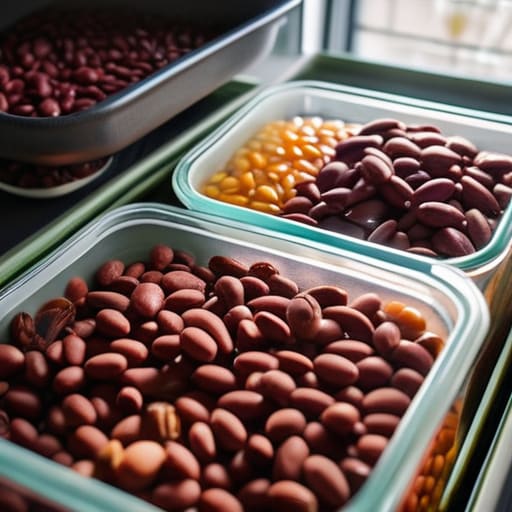
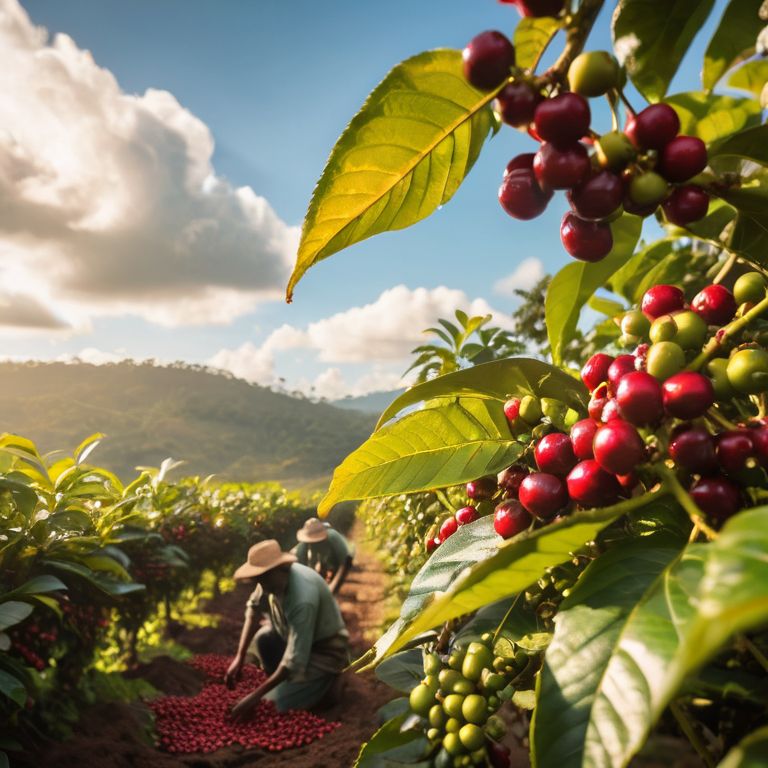
At the end of the day, whether you choose to freeze your beans in their cooking liquid to preserve that rich, starchy essence or drain them carefully to save space, the goal remains the same: respect for the ingredient. Remember to invest in high-quality, airtight containers to prevent freezer burn from stealing the soul of your food, and always consider the texture you’re aiming for when you finally thaw them out. By paying attention to these small details—the way you seal the container or the way you manage moisture—you are essentially applying the same meticulous care I use when selecting green cherries from a hillside in Ethiopia. You aren’t just storing leftovers; you are preserving a moment of culinary effort.
I often think about how much intention goes into a single harvest, from the altitude of the mountains to the precise moment of the pick. When you take these extra steps to freeze your beans correctly, you are extending that journey and ensuring that no hard work goes to waste. Treat your kitchen like a small-scale farm, where every ingredient is a precious gift worth protecting. When you finally sit down to enjoy that meal, I hope you don’t just taste the beans, but the thoughtful care you took to keep their story alive.