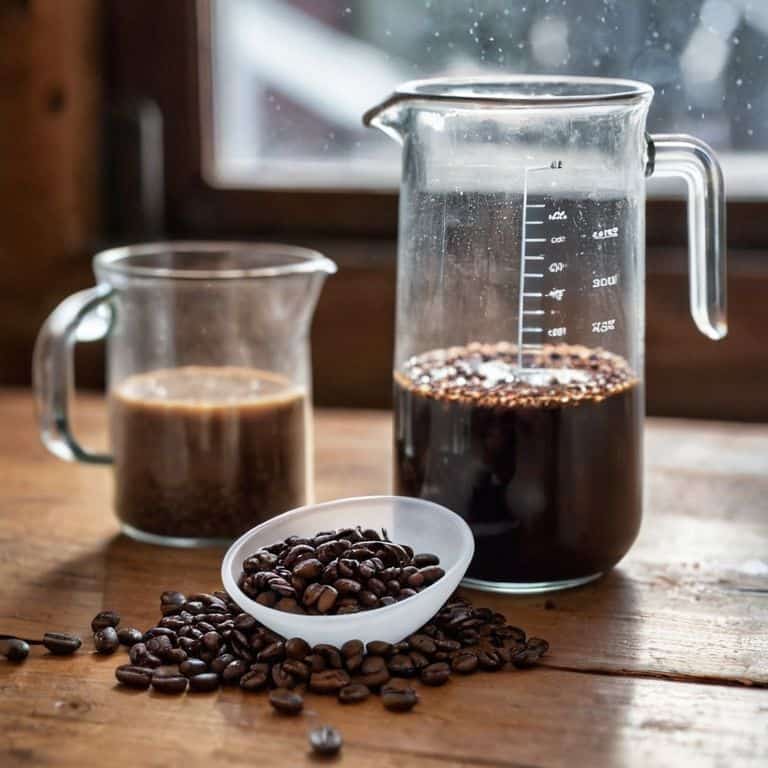
I still remember the first time I nailed glossy microfoam – it was like a little piece of coffee magic, and it’s actually pretty easy to replicate with a few simple tricks. The problem is, most of us have been misled into thinking that achieving this velvety texture is some kind of dark art, only accessible to coffee wizards with years of experience. But the truth is, mastering how to get glossy microfoam is within reach for any home barista willing to put in the practice. I’ve seen it time and time again – a perfectly crafted espresso, ruined by a lackluster layer of foam that’s more akin to dish soap than a luxurious, silky smooth delight.
In this article, I’ll share my honest, no-hype advice on how to get glossy microfoam that will make your friends and family green with envy. You’ll learn the essential techniques required to craft microfoam that’s not only glossy, but also stable and long-lasting. From the importance of precise temperature control to the often-overlooked role of milk quality, I’ll walk you through every step of the process, leaving no stone unturned in our pursuit of the perfect, velvety kiss of microfoam.
Table of Contents
- Guide Overview: What You'll Need
- Step-by-Step Instructions
- Mastering Glossy Microfoam
- Unlocking the Secrets to Irresistible Gloss: 5 Essential Tips for Achieving Glossy Microfoam
- Key Takeaways for Achieving Glossy Microfoam
- The Pursuit of Perfection
- Unlocking the Secrets of Glossy Microfoam
- Frequently Asked Questions
Guide Overview: What You'll Need

Total Time: 30 minutes to 1 hour
Estimated Cost: $10 – $20
Difficulty Level: Easy
Tools Required
- Steam Wand found on most espresso machines
- Thermometer for precise temperature control
Supplies & Materials
- Milk whole milk or non-dairy alternative
- Pitcher or Jug for holding and cooling milk
Step-by-Step Instructions
- 1. First, let’s start with the foundation of creating glossy microfoam: purging the steam wand. This step is often overlooked, but it’s crucial for removing any excess water that might be lurking inside the wand, which can lead to a less-than-desirable texture in your microfoam. To do this, simply place a cloth or towel under the steam wand and open the valve for about 2-3 seconds to release any stale water.
- 2. Next, it’s time to submerge the steam wand tip into the milk, making sure it’s fully immersed about 1-2 cm below the surface. This is where the magic begins, as the steam starts to heat and aerate the milk. Keep the steam wand at an angle to create a whirlpool effect, which helps to incorporate air evenly and lay the groundwork for that silky, smooth microfoam.
- 3. Now, we need to stretch the milk to the ideal temperature, which is between 55°C to 62°C. This is where patience comes into play, as you’ll need to slowly pour in the steam while holding the pitcher at an angle. Remember, the goal is to introduce air gently, so avoid over-aerating the milk, which can result in a too-thick or too-thin consistency.
- 4. With the milk at the perfect temperature, it’s time to create the microfoam. To do this, you’ll need to hold the steam wand just below the surface of the milk, allowing it to suck in a small amount of air and create a smooth, glossy texture. Think of this step as the “sweet spot” where everything comes together – the temperature, the aeration, and the texture all need to be in harmony.
- 5. As you’re creating the microfoam, pay close attention to the pitcher’s position and the flow of steam. You want to maintain a consistent flow of steam while slowly tilting the pitcher to incorporate the air evenly. This will help you achieve that perfect, velvety microfoam that’s just begging to be poured into a cup.
- 6. Once you’ve reached the desired consistency and temperature, it’s time to silence the steam wand. This is a critical step, as any excess steam can disrupt the delicate balance of your microfoam and leave it looking lackluster. To silence the wand, simply close the valve and remove it from the milk, taking care not to disturb the microfoam.
- 7. Finally, it’s time to pour your masterpiece into a cup. When pouring, try to maintain a smooth, steady flow, holding the pitcher at an angle to create a beautiful, layered effect. And that’s it – with these steps and a bit of practice, you should be well on your way to creating glossy, cafe-quality microfoam that’s sure to impress even the most discerning coffee connoisseurs.
Mastering Glossy Microfoam

As I delve deeper into the world of glossy microfoam, I’ve come to realize that steaming milk to microfoam consistency is an art that requires patience and practice. It’s not just about frothing milk, but about understanding the delicate balance of temperature, texture, and air incorporation. I’ve found that using cold milk is essential for creating a smooth and silky microfoam, and it’s a technique that I always emphasize to my students.
When it comes to creating stable microfoam, purging steam wands is a crucial step that many baristas overlook. By purging the steam wand before frothing, you can remove any excess water that may be lurking in the wand, which can disrupt the formation of smooth microfoam. This simple trick can make a huge difference in the quality of your microfoam, and it’s something that I always do instinctively.
To take your microfoam game to the next level, try experimenting with texturing milk for latte art designs. This involves frothing the milk to a specific consistency that’s perfect for creating intricate designs and patterns on the surface of your coffee. By mastering this technique, you’ll be able to create beautiful and unique latte art designs that will impress even the most discerning coffee connoisseurs.
Purging Steam Wands for Silk
To achieve silky microfoam, it’s crucial to purge your steam wand regularly. I’ve found that a quick blast of steam before texturing milk makes all the difference. This simple step removes any residual water, ensuring a smooth flow of steam that won’t disrupt the delicate milk proteins. By purging the wand, you’re guaranteeing a consistent temperature and pressure, which is essential for crafting that perfect, velvety texture.
I like to think of purging as a ritual, a moment to focus on the task at hand. It’s a small detail, but one that separates the good from the great. With a clean steam wand, you’ll be amazed at how effortlessly you can create glossy, silky microfoam that elevates your espresso drinks to new heights.
Texturing Milk for Velvet Latte Art
To achieve the perfect velvet latte art, texturing milk is an art form in itself. I recall spending hours as a barista-in-training, practicing the subtle dance of steam and milk. It’s all about creating a harmonious balance between silky smoothness and creamy texture. I’ve found that the ideal temperature for texturing milk is between 140°F and 160°F – any higher and you risk scalding the milk, losing that delicate sweetness.
By adjusting the steam pressure and pitcher position, you can coax the milk into a luscious, velvety microfoam. It’s a sensory experience, really – feeling the milk thicken, hearing the gentle hiss of steam, and seeing the glossy sheen form. With practice, you’ll develop a sense of when the milk is just right – not too thick, not too thin. That’s when the magic happens, and your latte art comes alive.
Unlocking the Secrets to Irresistible Gloss: 5 Essential Tips for Achieving Glossy Microfoam
- Start with the right milk: I swear by using fresh, high-quality milk with a high protein content – it makes all the difference in creating that silky, glossy texture
- Temperature control is key: aim for a temperature between 140°F and 160°F to prevent scalding the milk and to ensure the perfect microfoam
- Purge your steam wand like your life depends on it: a clean wand is essential for smooth, glossy microfoam – I like to purge mine for at least 2-3 seconds before each use
- Pay attention to your steam wand’s position: hold the wand just below the surface of the milk, with the tip barely submerged – this helps to create a smooth, even flow of steam
- Practice, practice, practice: getting glossy microfoam just right takes time and patience – don’t be discouraged if it doesn’t come out perfectly at first, just keep experimenting until you find your groove
Key Takeaways for Achieving Glossy Microfoam
I’ve found that purging steam wands is an often-overlooked step in achieving silky, glossy microfoam – it’s all about removing any excess water that can dilute the texture and temperature of your milk
Texturing milk to the right consistency is crucial for velvet latte art, and it’s something that requires a bit of practice to get just right – I like to think of it as finding the ‘sweet spot’ where the milk is smooth and glossy, but still holds its shape
By mastering the art of glossy microfoam, you’ll not only elevate your latte art game, but also bring a new level of depth and richness to your espresso drinks – it’s all about the pursuit of that perfect, velvety texture that just makes you want to sip and savor
The Pursuit of Perfection
Glossy microfoam isn’t just about aesthetics; it’s the culmination of precise technique, quality ingredients, and a deep understanding of the intricate dance between steam, milk, and air – it’s the difference between a good cup and a transcendent one.
Julian Vale
Unlocking the Secrets of Glossy Microfoam
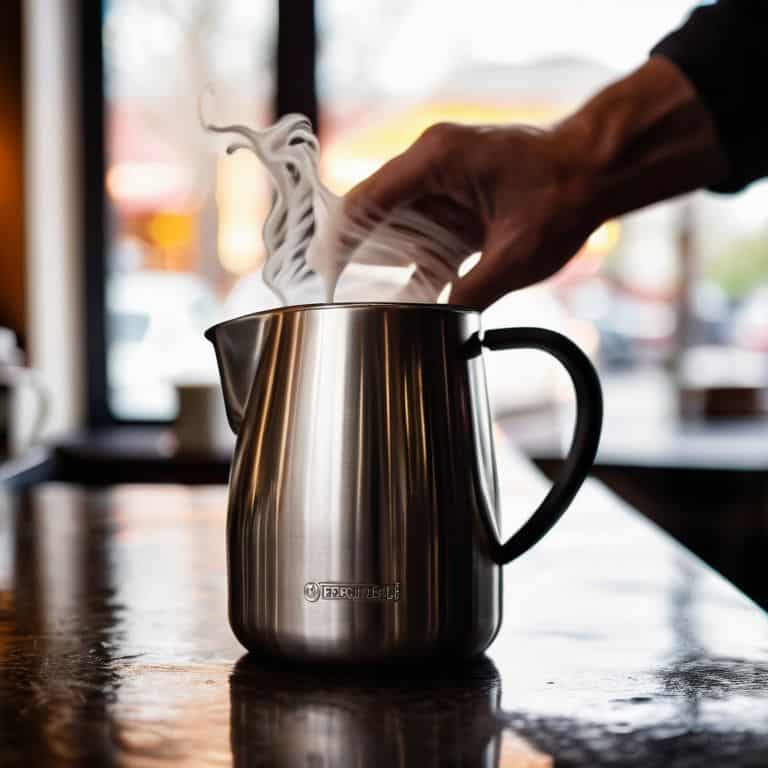
As we’ve explored the world of glossy microfoam, it’s clear that mastering this skill is a journey, not a destination. From purging steam wands for silk to texturing milk for velvet latte art, every step requires attention to detail and a passion for perfection. By following the steps outlined in this guide, you’ll be well on your way to creating microfoam that’s not just visually stunning, but also tastes amazing. Remember, the key to success lies in the little things, from the temperature of your milk to the grind of your coffee beans.
So, as you continue on your coffee journey, I encourage you to keep pushing the boundaries of what’s possible. Don’t be afraid to experiment and try new things – it’s often the unexpected discoveries that lead to the most amazing results. And when you finally achieve that perfect, glossy microfoam, remember to savor the moment and enjoy the fruits of your labor. With dedication and practice, you’ll be creating coffee magic in no time, and inspiring others to do the same.
Frequently Asked Questions
What's the ideal temperature for steaming milk to achieve glossy microfoam?
For me, the sweet spot is between 140°F and 150°F. Any higher, and you risk scorching the milk; any lower, and it’s tough to get that silky gloss. I aim for 145°F, and then it’s all about the stretch and fold to create a smooth, even microfoam that’s just begging to be poured into a design.
How do I adjust the steam wand's position to create a smooth, silky texture?
To adjust the steam wand for a silky texture, I slightly submerge the tip, about 1-2 cm below the milk’s surface. This creates a whirlpool effect, folding air in smoothly. Then, I gently wiggle the wand back and forth, feeling for the ‘sweet spot’ where the milk starts to spin and stretch, signaling the perfect silky microfoam is forming.
Can I use any type of milk to create glossy microfoam, or are there specific types that work best?
Not all milks are created equal when it comes to glossy microfoam. I swear by whole milk or a non-dairy alternative with a high fat content, like oat or almond milk. The key is to find a milk that can hold its texture and stretch when heated, allowing for that silky, velvety microfoam to form.