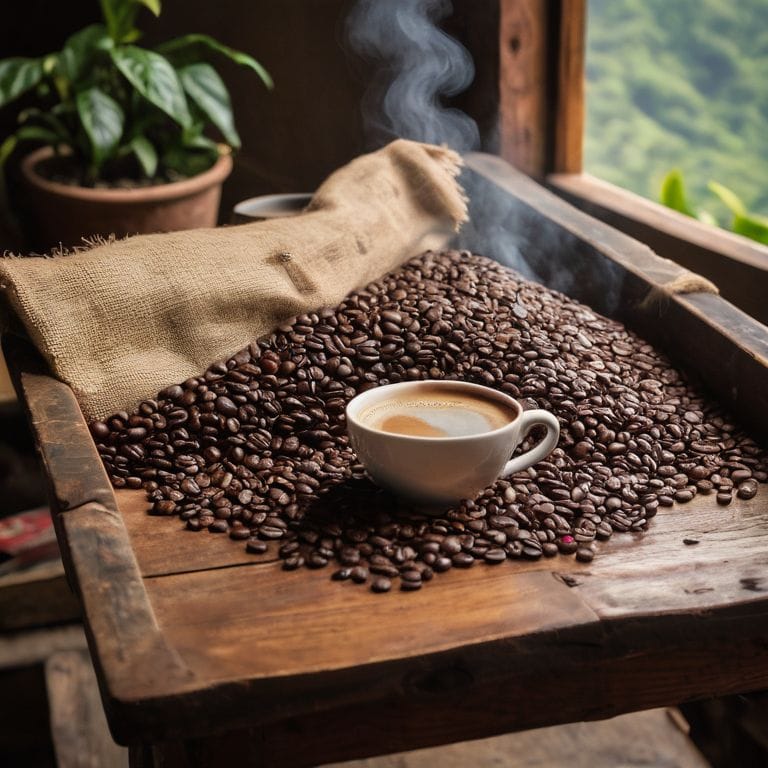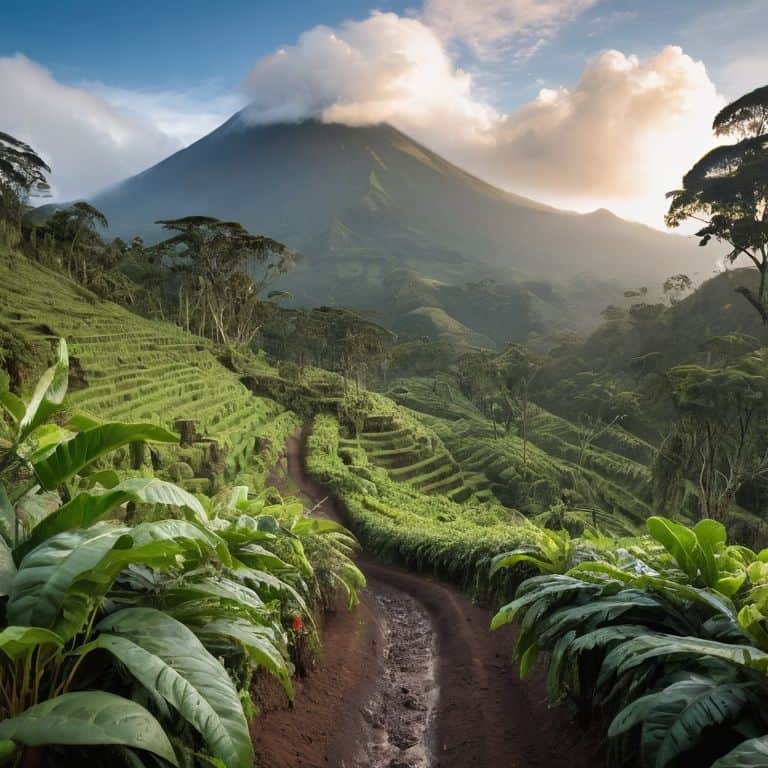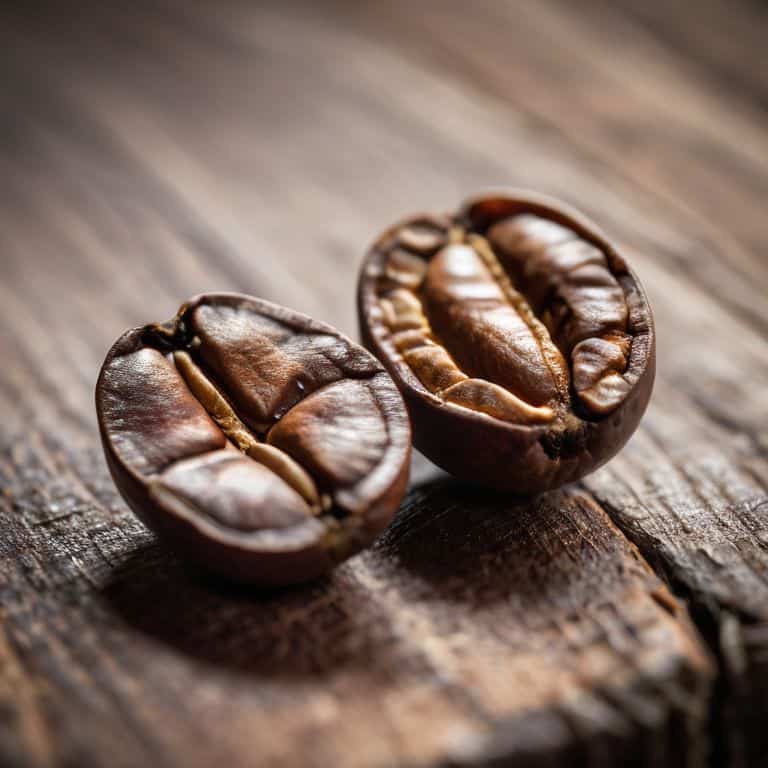
As I sit here, surrounded by maps of coffee-growing regions and the faint scent of freshly roasted beans, I’m reminded of the age-old question that has plagued coffee lovers for centuries: the difference between arabica and robusta. It’s a choice that can make or break the flavor profile of your daily cup, and one that I’ve had the privilege of exploring firsthand during my years working with coffee farmers in Latin America and Africa. I’ve seen how the subtle nuances of each bean can elevate or detract from the overall experience, leaving many to wonder which one is truly superior.
In this article, I promise to cut through the hype and provide you with honest, experience-based advice on navigating the distinct worlds of arabica and robusta. As a head roaster and green coffee buyer, I’ve had the privilege of tasting some of the world’s most exquisite coffees, and I’m excited to share my knowledge with you. I’ll take you on a journey to the heart of the coffee-growing regions, where the terroir and processing methods come together to create a truly unique flavor profile. By the end of this journey, you’ll be empowered to make informed decisions about your coffee choices, and appreciate the complex flavors that each bean has to offer.
Table of Contents
Arabica

Arabica is a type of coffee bean that is known for its high-quality flavor profile, with notes of fruit and floral hints, and is considered to be one of the most widely consumed coffee beans in the world, accounting for about 60% of the world’s coffee production. The core mechanism behind arabica’s distinct taste lies in its slower maturation process, which allows for a more complex development of sugars and acids, resulting in a smoother and more nuanced flavor. The main selling point of arabica is its ability to provide a rich and balanced cup that is perfect for everyday consumption.
As a coffee roaster, I can attest that arabica’s unique flavor profile is a result of the combination of factors such as altitude, soil, and climate, which makes every region’s arabica distinct and worth exploring. I recall my visits to the Ethiopian highlands, where I witnessed firsthand the meticulous care that farmers devote to their arabica crops, from hand-picking to careful processing, to bring out the best possible flavor. This attention to detail and dedication to quality are what make arabica a staple in the specialty coffee world, and a favorite among coffee connoisseurs who appreciate the subtle nuances of a well-crafted cup.
Robusta

Robusta is a type of coffee bean that is known for its high caffeine content and is often used as a base for instant coffee and espresso blends, due to its bold and rich flavor profile. The core mechanism behind robusta’s distinct taste lies in its faster maturation process, which results in a higher concentration of caffeine and a more bitter flavor. The main selling point of robusta is its ability to provide a bold and full-bodied cup that is perfect for those who need a strong coffee to start their day.
As someone who has spent years working with coffee farmers, I can appreciate the versatility of robusta, which thrives in a wider range of environments and is more disease-resistant than arabica. I remember visiting a farm in Brazil, where the farmers were experimenting with new processing methods to bring out the unique characteristics of their robusta beans. While robusta may not have the same complex flavor profile as arabica, it has a certain charm and character that makes it a favorite among those who enjoy a strong and bold cup of coffee.
Head-to-Head Comparison: Arabica vs Robusta
| Feature | Arabica | Robusta |
|---|---|---|
| Price | Higher | Lower |
| Key Feature | Milder flavor, higher acidity | Bitter flavor, higher caffeine |
| Best For | Specialty coffee, espresso | Instant coffee, espresso blends |
| Growing Conditions | High altitudes, mild climates | Lower altitudes, warmer climates |
| Caffeine Content | 0.8-1.2% | 1.7-4% |
| Oil Content | Higher | Lower |
| Global Production | 60-70% | 30-40% |
Unraveling Arabica vs Robusta
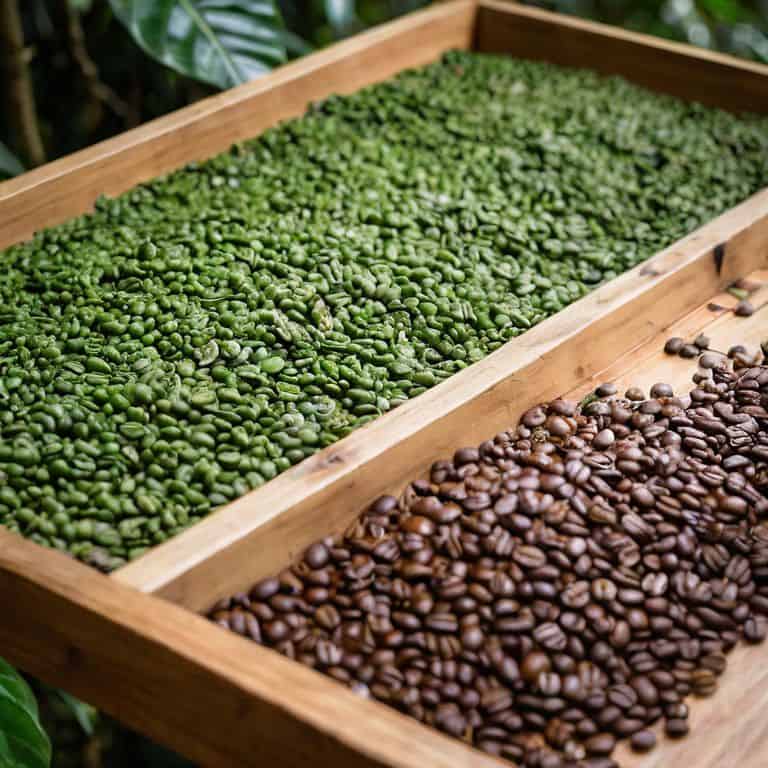
When it comes to unraveling the differences between arabica and robusta, the type of bean is just the beginning. What really sets them apart is the way they’re processed, and that’s where the magic happens. The processing method, whether it’s washed or natural, has a profound impact on the flavor profile of the coffee. As someone who’s spent years working with coffee farmers, I can tell you that this step is crucial in bringing out the unique characteristics of each bean.
In a head-to-head comparison, arabica beans tend to thrive with the washed method, which highlights their bright acidity and nuanced flavor notes. On the other hand, robusta beans often benefit from the natural method, which accentuates their bold and earthy undertones. The practical implications of this are significant, as it affects not only the taste but also the overall quality of the coffee.
When it comes to unraveling arabica vs robusta, I’d say that arabica is the clear winner in terms of flavor complexity. The way it responds to different processing methods is truly remarkable, offering a wide range of flavors and aromas that are hard to match. Whether you’re a seasoned coffee connoisseur or just starting to explore the world of specialty coffee, arabica is definitely worth trying.
Key Takeaways: Navigating the Arabica and Robusta Landscape
I’ve found that the nuanced flavors and higher acidity of arabica beans make them perfectly suited for pour-overs and other manual brewing methods, allowing the subtle notes of the cherry to shine through
The bold, full-bodied flavor profile of robusta beans, on the other hand, lends itself well to espresso blends, where its deep, rich tones can add depth and complexity to the shot
Ultimately, whether you prefer the bright, fruit-forward notes of arabica or the smooth, caramel-like flavors of robusta, understanding the unique characteristics of each bean is key to appreciating the incredible diversity of the coffee world
A Tale of Two Beans
The difference between arabica and robusta is not just a matter of flavor profiles, but a reflection of the land, the people, and the passion that goes into cultivating each cherry – it’s a choice between the subtle nuances of a summer breeze and the bold assertions of a morning storm.
Samuel Jones
The Final Verdict: Which Should You Choose?
As I reflect on the journey of comparing arabica and robusta, it becomes clear that the choice between these two beans is not just about flavor profiles, but about the story behind each cup. From the sun-kissed hills of Ethiopia to the lush rainforests of Brazil, each bean has its own unique narrative, shaped by the terroir, processing methods, and the diligent hands of farmers. The differences between arabica and robusta are a testament to the incredible diversity of the coffee world, with arabica offering nuanced acidity and robusta providing a bold, full-bodied experience.
In the end, the decision comes down to your personal taste preferences and coffee goals. If you’re a coffee connoisseur seeking a rich, sensory experience, arabica is likely the better choice, with its complex flavor notes and hints of fruit. On the other hand, if you’re looking for a reliable, energizing cup to start your day, robusta’s bold, smooth flavor might be the way to go. Ultimately, whether you prefer the subtle elegance of arabica or the unapologetic punch of robusta, there’s a world of flavor waiting for you – and that’s what makes the journey of discovering coffee so incredibly rewarding.
Frequently Asked Questions
How do the distinct flavor profiles of arabica and robusta affect the overall taste experience of a cup of coffee?
The flavor profiles of arabica and robusta drastically impact the taste experience. Arabica’s nuanced notes of fruit and florals unfold like a sunrise, while robusta’s bold, harsh tones hit like a strong drumbeat. I’ve found that arabica’s acidity and subtle sweetness balance beautifully, whereas robusta’s bitter, rubbery undertones can overwhelm the senses.
What role do factors like altitude, soil quality, and processing methods play in shaping the characteristics of these two coffee bean types?
For me, it’s all about terroir – the combination of altitude, soil quality, and processing methods that imbue each cherry with its unique flavor profile. High-altitude arabica, for instance, tends to be more complex, while robusta thrives in lower-lying areas with richer soils, and processing methods like washed or natural can drastically alter the flavor notes, making every cup a true reflection of its origin.
Are there any significant differences in the way arabica and robusta beans are farmed, harvested, and traded that impact their quality and availability?
The farming, harvesting, and trading of arabica and robusta beans differ significantly. Arabica, often grown at high altitudes, requires careful hand-picking, while robusta is typically machine-harvested. This distinction, coupled with varying soil and climate conditions, impacts the beans’ quality and availability, with arabica generally being more sensitive to its environment.