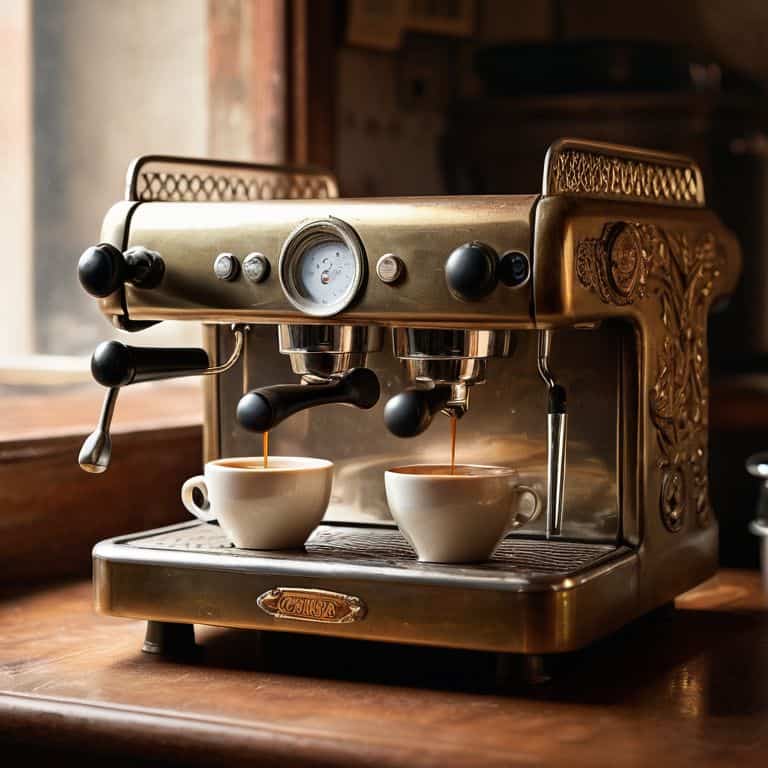
As I sit in my favorite vintage café, surrounded by the aroma of freshly brewed coffee, I often find myself pondering the age-old debate of first wave vs second wave vs third wave coffee. It’s a dilemma that has sparked intense discussions among coffee connoisseurs, with each wave representing a distinct era in the evolution of coffee culture. From the traditional, mass-produced brews of the first wave to the artisanal, small-batch roasts of the third wave, the choices can be overwhelming, even for a seasoned coffee historian like myself.
In this article, I promise to guide you through the rich history and cultural significance of each wave, sharing personal anecdotes and insights gathered from my travels to the world’s most historic coffee shops. I’ll cut through the hype and provide you with honest, experience-based advice on what sets each wave apart, from the flavor profiles to the cultural movements they’ve inspired. Whether you’re a coffee novice or a seasoned aficionado, my goal is to empower you with a deeper understanding of the first wave vs second wave vs third wave coffee landscape, and to inspire you to explore the fascinating world of coffee beyond the surface level.
Table of Contents
First Wave Coffee
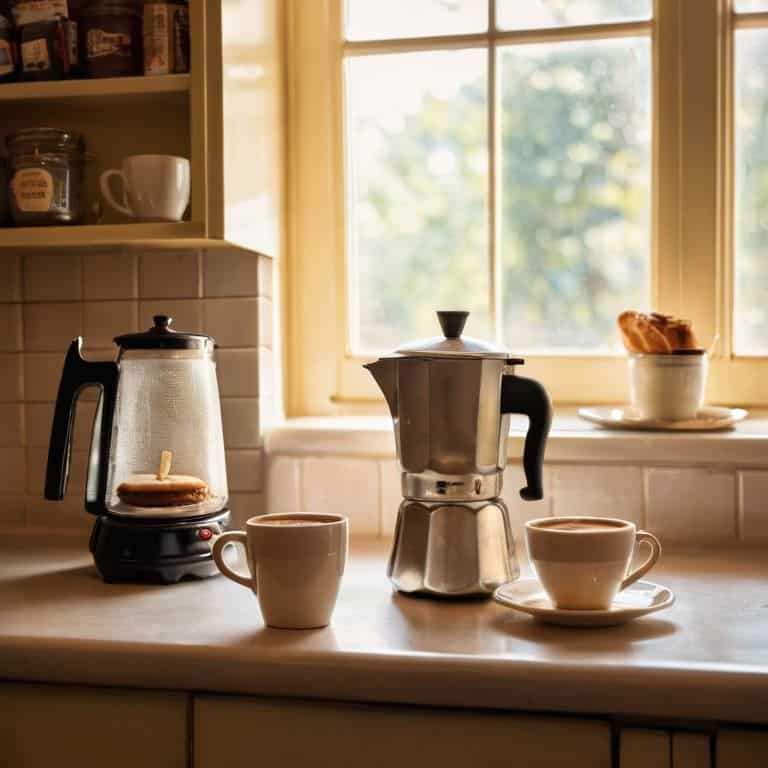
First wave coffee refers to the initial rise of commercial coffee in the early 20th century, characterized by the mass production of coffee beans and the introduction of instant coffee. The core mechanism of first wave coffee involves the use of low-grade, robusta beans and a focus on convenience, with its main selling point being affordability and widespread availability. This era of coffee production revolutionized the way people consumed coffee, making it a staple in many households. The mass production of coffee during this period allowed for coffee to become a part of daily routines, from breakfast tables to office breaks.
As I sit in a vintage café, surrounded by the nostalgic aroma of freshly brewed coffee, I am reminded of the significance of first wave coffee in shaping the coffee culture we know today. The convenience and affordability of first wave coffee made it accessible to the masses, creating a sense of community and shared experience among coffee drinkers. I recall my grandmother’s stories of gathering around the radio with family and friends, sipping on instant coffee and discussing the latest news and gossip. The simple pleasure of a cup of coffee brought people together, fostering a sense of connection and belonging that transcended social classes and backgrounds.
Second Wave Coffee
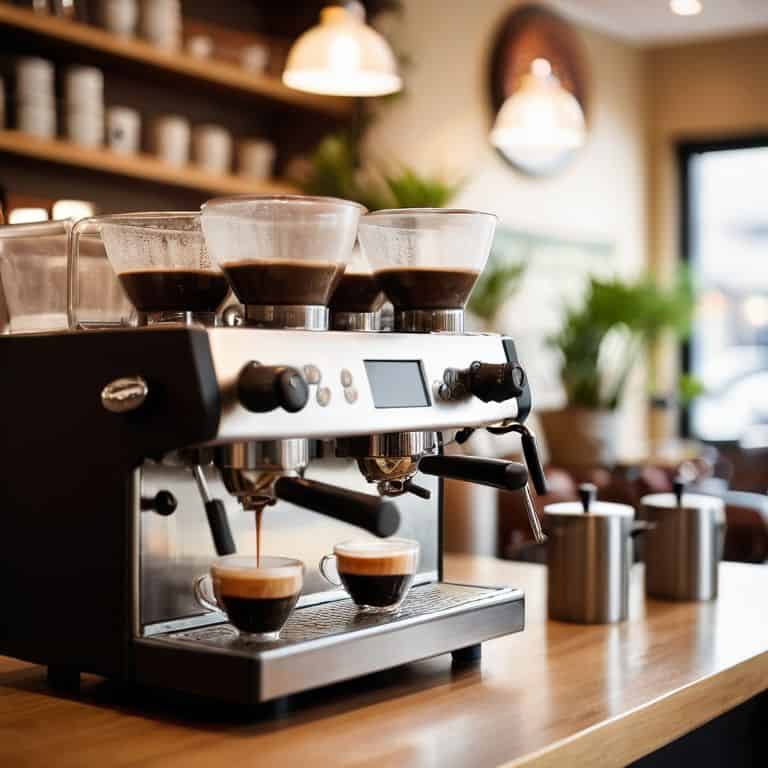
Second wave coffee emerged in the mid-20th century, marked by a shift towards higher-quality, arabica beans and a focus on specialty coffee drinks. This era is defined by the rise of coffee shops and the introduction of espresso-based beverages, with its main selling point being the rich flavor and aroma of expertly crafted coffee drinks. The core mechanism of second wave coffee involves the use of advanced brewing techniques and a emphasis on the art of coffee-making, resulting in a more sophisticated coffee experience. From cappuccinos to lattes, second wave coffee introduced a new level of complexity and nuance to the world of coffee.
As a food historian, I am fascinated by the way second wave coffee transformed the urban landscape, with coffee shops becoming hubs for creative expression and intellectual discourse. The theatricality of espresso-based drinks, with their intricate designs and precise pouring techniques, added a touch of elegance and refinement to the coffee-drinking experience. I remember spending hours in a charming coffee shop, surrounded by the sounds of jazz and the smell of freshly roasted coffee, feeling like I was part of a vibrant community of artists and thinkers. The second wave coffee movement not only elevated the status of coffee but also created a culture of connoisseurship, where every cup was a work of art.
Head-to-Head Comparison of Coffee Waves
| Feature | First Wave | Second Wave | Third Wave |
|---|---|---|---|
| Price | Low ($1-$3) | Moderate ($3-$5) | High ($5-$7) |
| Key Feature | Commercial, instant coffee | Specialty, espresso-based drinks | High-quality, artisanal, unique brewing methods |
| Best For | Convenience, mass market | Mainstream coffee shops, everyday consumption | Coffee connoisseurs, specialty coffee shops |
| Roast Level | Dark, bitter | Medium, balanced | Light, nuanced |
| Brewing Methods | Drip, instant | Espresso, cappuccino | Pour-over, Chemex, siphon |
| Flavor Profile | Bitter, bland | Rich, smooth | Complex, fruity, floral |
| Sustainability | Low, industrial-scale | Moderate, some eco-friendly practices | High, environmentally conscious, direct trade |
Brewing Revolutions

As I sit in my favorite historic cafe, surrounded by the whispers of the past, I am reminded of the brewing revolutions that have shaped the coffee industry. The debate between first wave, second wave, and third wave coffee is not just about the beans or the brew method, but about the cultural and social movements that have defined each era. Understanding the revolutions that have driven the coffee industry forward is crucial to appreciating the nuances of each wave.
In the head-to-head analysis of first wave vs second wave coffee, it becomes clear that the mass production of coffee in the first wave led to a standardized, albeit bland, cup of coffee. In contrast, the second wave brought about a specialty coffee movement, with pioneers like Peet’s Coffee, that emphasized high-quality beans and unique roasts. The third wave, however, has taken this movement to new heights, with a focus on direct trade and a deeper appreciation for the craftsmanship of coffee-making.
When it comes to brewing revolutions, the third wave stands out as the clear winner. By empowering farmers and promoting transparency in the supply chain, third wave coffee has sparked a revolution in the way we think about coffee. With its emphasis on quality, sustainability, and community, the third wave has created a new standard for the coffee industry, one that prioritizes the human element and the art of coffee-making.
Three Waves, Endless Inspiration
As I sit here, sipping my expertly brewed cup, I am reminded that the first wave of coffee was all about accessibility and mass production, while the second wave brought about a resurgence of high-quality, artisanal beans, and the third wave – my personal favorite – is a beautiful blend of innovation and tradition
The rich history of coffee is woven into the very fabric of our society, with each wave leaving an indelible mark on our culture, from the Viennese coffee houses that fueled intellectual revolutions to the modern-day coffee shops that serve as community hubs
Whether you’re a fan of the classic, no-frills brew of the first wave, the elaborate espresso drinks of the second wave, or the experimental, small-batch roasts of the third wave, one thing is certain – coffee has the power to bring us together, to inspire us, and to fuel our passions, one delicious cup at a time
A Reflection on the Eras of Coffee
As I sit in these venerable coffee houses, I am reminded that the evolution from first wave to third wave coffee is not just about the brew, but about the conversations, the culture, and the community that each wave has cultivated – a testament to the power of coffee to shape and reflect the spirit of its time.
Isabella Marino
The Final Verdict: Which Coffee Wave Reigns Supreme?
As I sit here, sipping my expertly crafted third wave coffee, I am reminded of the rich history that has led us to this point. From the mass-produced brews of the first wave, to the fancy espresso drinks of the second wave, each era has contributed to the diverse and vibrant coffee culture we enjoy today. The comparison between these three waves is not just about the coffee itself, but about the experiences and values that come with each cup. Whether you’re a fan of traditional, no-frills coffee or a connoisseur of unique, small-batch blends, there’s a wave that’s right for you.
So, which wave should you choose? Ultimately, the third wave stands out as the clear winner for coffee aficionados who value quality, sustainability, and community. However, the first wave is still the best bet for those who prioritize convenience and a classic, no-frills cup of joe. And for those who enjoy a good espresso or latte, the second wave is the way to go. As for me, I’ll stick with the third wave, where I can indulge in a perfectly balanced pour-over and savor the experience that comes with it.
Frequently Asked Questions
What are the key differences in roasting techniques between first wave, second wave, and third wave coffee?
As I sit in this charming café, surrounded by the aroma of expertly roasted beans, I’m reminded of the distinct roasting techniques that define each wave. First wave coffee often employs a darker, more bitter roast, while second wave opts for a medium roast. In contrast, third wave coffee celebrates lighter roasts, showcasing the unique characteristics of each bean.
How did the cultural and social contexts of each wave influence the development of coffee culture?
As I sit in this charming Viennese café, I ponder how each wave’s cultural and social context shaped coffee culture. The first wave was marked by industrialization, the second by urbanization and luxury, and the third by a desire for authenticity and community, each influencing the brews, atmospheres, and conversations that unfolded.
Can the distinct flavor profiles of each wave be attributed to specific farming or processing methods?
The flavor profiles of each wave are indeed linked to farming and processing methods. First wave coffee, for instance, often employs traditional, high-volume methods, resulting in a bolder, more bitter taste. In contrast, third wave coffee emphasizes direct trade, small-batch processing, and lighter roasts, yielding brighter, more nuanced flavors.