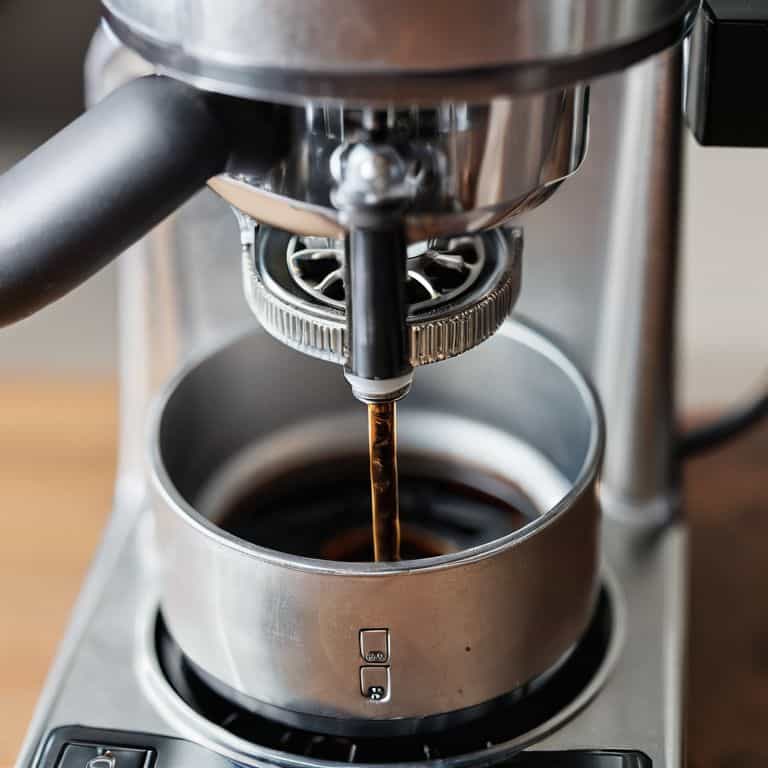
I still remember the first time I laid eyes on an E61 group head – it was like beholding a work of art, a masterpiece of Italian engineering. As a coffee equipment technician, I’ve had the privilege of taking apart and rebuilding numerous high-end machines, and I can confidently say that a guide to the e61 group head is essential for anyone looking to unlock the full potential of their espresso machine. But, I’ve noticed that many coffee enthusiasts are intimidated by the E61’s complex mechanics, and that’s exactly what I aim to demystify.
In this article, I’ll share my hands-on experience and provide you with practical advice on how to maintain, repair, and optimize your E61 group head. You’ll learn how to diagnose common issues, replace worn-out parts, and fine-tune the machine for the perfect shot. My goal is to empower you with the knowledge and confidence to take control of your coffee equipment, and to appreciate the beauty of well-designed machinery. By the end of this guide, you’ll be well on your way to becoming an E61 expert, and you’ll be able to extract the best possible flavors from your coffee beans.
Table of Contents
Guide Overview: What You'll Need

Total Time: 2 hours 30 minutes
Estimated Cost: $50 – $100
Difficulty Level: Intermediate
Tools Required
- Wrench (for removing and installing parts)
- Pliers (for gripping small components)
- Screwdriver (flathead and Phillips)
- Torx driver (for specific E61 group head screws)
- Group head gasket seal kit (for replacing worn-out seals)
Supplies & Materials
- E61 group head seal kit
- Group head cleaning brush (for cleaning the group head)
- Descale solution (for removing mineral deposits)
- Lubricant (for lubricating moving parts)
- 6 inches of teflon tape (for securing pipes and fittings)
Step-by-Step Instructions
- 1. To begin our journey into the mechanical mastery of the E61 group head, first ensure you have a clear and stable work surface. This will be your foundation for disassembly and reassembly, so make sure it’s free from any clutter or obstacles that could interfere with your work.
- 2. Next, gather your tools. You’ll need a set of metric wrenches, a screwdriver set, and possibly a pair of pliers, depending on the specific model and any customizations it may have. The E61, being a testament to Italian engineering, often requires precision tools to avoid damaging its finely tuned components.
- 3. Now, let’s move on to the disassembly process. Start by removing the outer casing to expose the internal mechanisms. This usually involves removing a few screws and gently prying the casing off. Be careful, as the stainless steel parts can be slippery, and you don’t want to risk damaging any of the components or scratching the surface.
- 4. With the internals exposed, your next step is to locate the group head itself. This is the heart of the E61, responsible for precise temperature control and even water distribution. Take note of how it’s mounted and the connections leading to and from it. Understanding these connections is crucial for any repairs or maintenance you might need to perform.
- 5. The E61 group head is known for its complex yet elegant design, which includes a series of valves and ports that need regular cleaning to prevent scale buildup and ensure optimal performance. Use a soft brush and a cleaning solution suitable for the materials involved to gently scrub away any debris or mineral deposits.
- 6. After cleaning, reassemble the group head in the reverse order of how you disassembled it. Make sure all connections are secure but not overtightened, as this can damage the delicate brass components. It’s also a good idea to apply a small amount of food-grade silicone lubricant to moving parts to reduce friction and wear.
- 7. Finally, once everything is back together, perform a series of test brews to ensure the E61 group head is functioning as it should. Check for even extraction, proper temperature, and any signs of leaks. If everything checks out, you’ve successfully maintained or repaired your E61 group head, extending its lifespan and preserving its ability to produce exceptional espresso.
Mastering E61

As I delve deeper into the world of E61 group heads, I’ve come to appreciate the importance of temperature control in espresso machines. It’s a crucial aspect that can make or break the flavor of your espresso. I’ve seen many machines where the temperature control is lacking, resulting in inconsistent shots. To master the E61, it’s essential to understand how to maintain optimal temperature levels. This involves regular maintenance, such as cleaning and descaling, to ensure the machine is functioning within the ideal temperature range.
One of the key benefits of the E61 group head is its thermal stability techniques, which allow for a high degree of temperature control. This is achieved through the use of a thermosiphon system, which circulates water through the group head to maintain a consistent temperature. By understanding how this system works, you can optimize your machine’s performance and produce exceptional espresso. I’ve found that group head design evolution has played a significant role in improving temperature control, and the E61 is a prime example of this.
To take your E61 game to the next level, consider exploring E61 group head upgrade options. These can range from simple modifications, such as replacing the group head gasket, to more complex upgrades, like installing a new temperature control system. By upgrading your E61, you can improve its performance, increase its longevity, and enhance your overall espresso experience. Whether you’re a seasoned barista or a home enthusiast, mastering the E61 requires a deep understanding of its mechanics and a willingness to experiment and improve.
Temperature Control Mastery
To truly master the E61, one must grasp the nuances of temperature control. I’ve found that a well-maintained group head can maintain a consistent temperature, but it’s the subtle adjustments that make all the difference. By tweaking the thermostat and ensuring proper water flow, you can coax the perfect shot from your machine.
In my workshop, I’ve seen firsthand how a precisely calibrated temperature control system can elevate the entire brewing experience. It’s a delicate balance, but one that’s well worth the effort. With the E61, it’s all about feeling the machine’s rhythm and making those slight adjustments to unlock its full potential.
Troubleshooting Secrets
When issues arise with the E61, it’s essential to listen to the machine. I’ve found that the sounds it makes can be incredibly telling – a slight vibration or an off-pitch whine can indicate a problem with the pump or a blocked group head. By paying attention to these auditory cues, you can often diagnose and fix issues before they become major problems. I’ve spent countless hours fine-tuning and repairing these machines, and I can confidently say that a well-maintained E61 is a testament to the beauty of Italian engineering.
To troubleshoot effectively, it’s crucial to understand the inner workings of the E61. I always recommend a thorough cleaning and inspection of the group head, as well as checking the machine’s seals and gaskets for any signs of wear. By doing so, you’ll be able to identify and address potential issues before they cause any major problems, ensuring your E61 continues to perform at its best.
E61 Essentials: 5 Tips to Unlock Its Full Potential
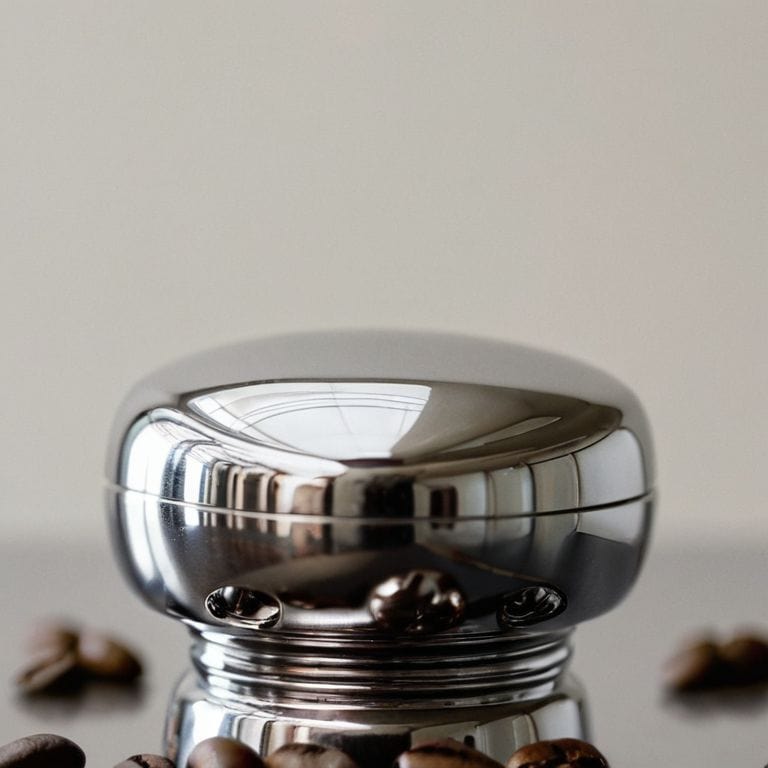
- Regularly descale your E61 group head to prevent mineral buildup and ensure optimal temperature control
- Use a high-quality group head gasket to maintain a tight seal and prevent leaks, which can compromise the machine’s performance
- Implement a routine backflushing schedule to remove old coffee oils and residue, keeping the group head clean and functioning smoothly
- Monitor and adjust the group head’s pre-infusion time to suit your coffee beans and roasts, allowing for a more nuanced and flavorful extraction
- Keep a maintenance log to track your E61 group head’s performance and identify potential issues before they become major problems, ensuring your machine runs like new for years to come
Key Takeaways for E61 Group Head Mastery
I’ve found that regular maintenance and proper temperature control are crucial to unlocking the E61’s full potential, and a well-maintained group head can make all the difference in the flavor of your espresso
By understanding the mechanical intricacies of the E61 and applying troubleshooting secrets, you’ll be empowered to diagnose and resolve issues before they become major problems, ensuring your machine runs smoothly for years to come
Ultimately, the E61 group head is a testament to exceptional engineering, and by appreciating its build quality, materials, and repairability, you’ll be able to make informed decisions when it comes to choosing and maintaining your coffee equipment, and I’m excited to have shared my expertise with you to help you on your own coffee journey
Unpacking the E61's Brilliance
The E61 group head is not just a component, it’s the heart of the machine – its pulse, its rhythm, and its soul; understanding its intricacies is key to unlocking the true potential of your espresso, and that’s what makes it so fascinating to me as a technician and a coffee enthusiast.
Simon Adler
Conclusion: Mastering the E61 Group Head
As we conclude this guide to the E61 group head, it’s essential to recap the key takeaways. We’ve delved into the step-by-step instructions for optimal performance, explored the nuances of temperature control, and uncovered valuable troubleshooting secrets. By grasping these fundamental concepts, you’ll be well on your way to unlocking the full potential of your E61-equipped machine. Remember, the E61 group head is a masterpiece of engineering, and with the right knowledge, you can coax exceptional shots from it every time.
As you continue to refine your skills and develop a deeper understanding of the E61 group head, keep in mind that true mastery is a lifelong journey. Don’t be afraid to experiment and push boundaries – it’s often the smallest tweaks that lead to the most significant breakthroughs. With patience, practice, and a passion for the craft, you’ll find yourself consistently brewing exceptional coffee that showcases the very best of what the E61 has to offer.
Frequently Asked Questions
What are the most common issues that can arise from improper maintenance of the E61 group head?
Improper maintenance of the E61 group head can lead to issues like clogged screens, stuck valves, and uneven heating. I’ve seen my fair share of these problems in my workshop, and they’re often caused by neglecting to descale or clean the group head regularly.
How does the E61 group head's design impact the overall flavor and quality of the espresso?
The E61’s design is a game-changer for flavor and quality. Its thermosiphon system ensures consistent temperature, while the group head’s chrome-plated brass construction provides excellent heat conductivity, resulting in a more balanced and nuanced shot. I’ve seen it firsthand in my workshop – a well-maintained E61 can elevate even the most mundane beans into a rich, full-bodied espresso.
What tools and expertise are required to successfully repair or replace the E61 group head if it becomes damaged or worn out?
To tackle E61 repairs, you’ll need a solid understanding of mechanical systems and access to specialized tools like a group head puller and seal replacement kit. As someone who’s restored countless machines, I can attest that patience and attention to detail are just as crucial as the right tools.