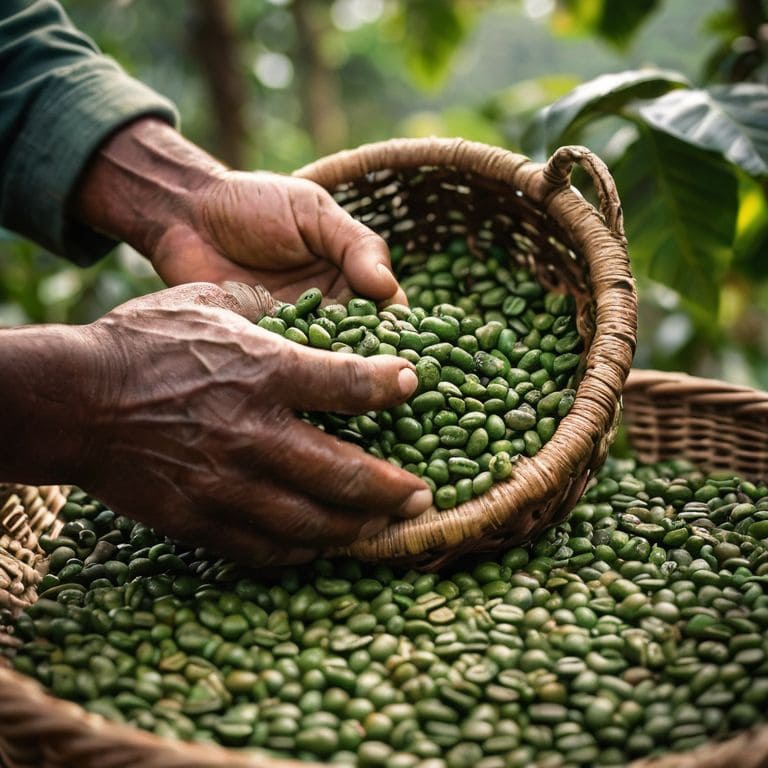
I still remember the first time I visited a coffee farm in Latin America, where I saw firsthand the impact of understanding coffee processing methods on the final flavor of the coffee. The farmer showed me how the _washed_ and _natural_ methods could completely change the narrative of the bean’s journey from farm to cup. It was a revelation that sparked a passion in me to share the stories behind each cup. As I delved deeper into the world of coffee, I realized that many people overlook the importance of processing methods, focusing instead on the type of bean or the roast level.
As someone who’s spent years working directly with coffee farmers, I want to share my knowledge with you in a way that’s _honest_ and experience-based. My goal is to help you appreciate the complex flavors of single-origin beans by understanding the _terroir_ and _processing_ that goes into creating them. In this article, I’ll take you on a journey to uncover the hidden stories in every cup, and provide you with a deeper understanding of how coffee processing methods shape the flavor of your favorite coffee. I’ll share my own experiences, from visiting farms to experimenting with home roasting, to give you a _no-nonsense_ guide to understanding coffee processing methods.
Table of Contents
Unlocking Coffee Secrets
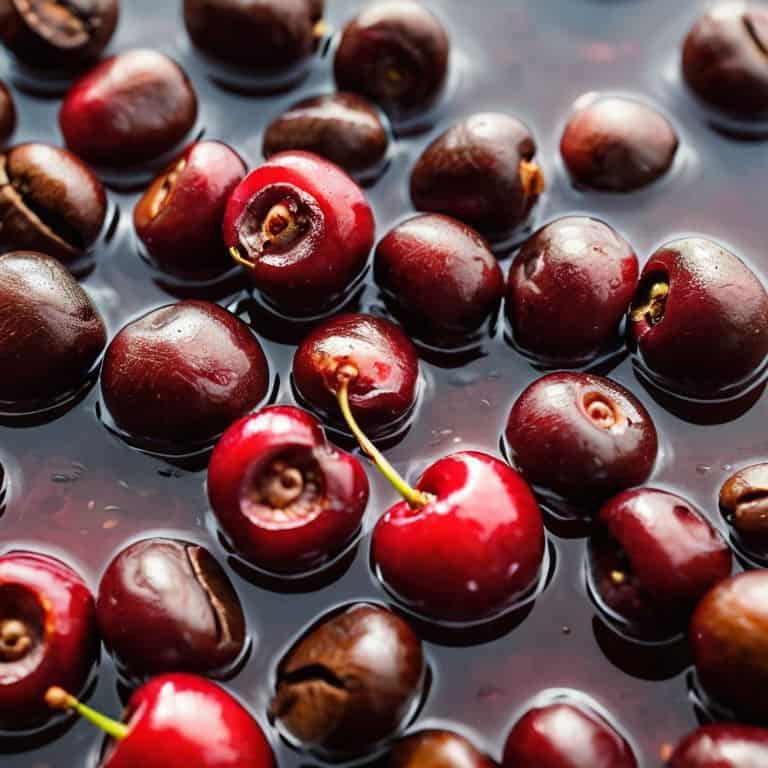
As I delve into the world of coffee processing, I’m reminded of the intricate dance between the coffee cherries, water, and time. The way a coffee is processed can greatly impact its flavor profile, and one of the most fascinating aspects is the role of coffee bean fermentation techniques. These techniques can bring out unique characteristics in the coffee, from fruity notes to deeper, richer flavors.
The impact of processing on coffee flavor is a topic of great interest to me, and I’ve spent countless hours discussing it with farmers and fellow roasters. One of the most significant differences is between washed and natural coffee. Washed coffee tends to have a cleaner, brighter flavor, while natural coffee is often fruitier and more full-bodied.
My experiments with honey processed coffee have also yielded some remarkable results. This processing method, which involves removing the skin of the coffee cherry but leaving some of the pulp intact, can bring out a beautiful balance of sweetness and acidity. As I continue to explore the world of coffee processing, I’m excited to see how different techniques, such as anaerobic fermentation in coffee production, can shape the flavor of these incredible beans.
Impact of Processing on Coffee Flavor Profiles
As I reflect on my journeys to coffee farms, I’m reminded that the processing method is where the magic happens, transforming the humble coffee cherry into a complex, flavorful bean. The way a coffee is processed can elevate or mute its natural characteristics, making it a crucial step in the journey from farm to cup.
The flavor profile of a coffee is inextricably linked to its processing method, with washed coffees tend to be brighter and more acidic, while natural coffees are often fruitier and heavier-bodied.
Unveiling Coffee Bean Fermentation Techniques
As I delve into the world of coffee processing, I find myself fascinated by the art of fermentation. It’s a crucial step that can make or break the flavor profile of a coffee. Fermentation techniques are an integral part of the processing method, and they can vary greatly from one farm to another.
The way a coffee is fermented can bring out unique characteristics, and soil acidity plays a significant role in this process. I’ve seen firsthand how different fermentation methods can result in distinct flavor notes, from fruity and floral to earthy and nutty.
Understanding Coffee Processing Methods

As I delve into the world of coffee processing, I’m reminded of the intricate dance between the farmer, the land, and the cherries. The way a coffee is processed can either amplify or mute the nuances of its flavor profile. I’ve seen firsthand how coffee bean fermentation techniques can bring out the unique characteristics of a particular region’s coffee. The impact of processing on coffee flavor is a fascinating topic, and one that I believe is often overlooked.
The difference between washed and natural coffee is a great example of how processing methods can shape the flavor of a coffee. Washed coffees tend to have a cleaner, brighter flavor, while natural coffees are often fruitier and more full-bodied. I’ve also had the opportunity to experiment with honey processed coffee, which offers a sweet and smooth flavor profile. The benefits of this processing method are numerous, and it’s an area that I’m excited to explore further.
In recent years, I’ve become increasingly interested in anaerobic fermentation in coffee production. This method involves fermenting the coffee cherries in a sealed environment, which can result in a more complex and unique flavor profile. The correlation between coffee processing and roast level is also an area of interest for me, as it can greatly impact the final flavor of the coffee. By understanding these factors, we can unlock the full potential of each coffee and experience the true terroir of the region.
Anaerobic Fermentation and Roast Level Correlation
As I delve into the world of anaerobic fermentation, I’m fascinated by the intricate dance between microbes and coffee cherries. This method, which involves sealing the cherries in airtight containers, allows for a unique breakdown of the fruit’s cellular structure, resulting in distinct flavor profiles.
The correlation between anaerobic fermentation and roast level is a delicate balance, with optimal roast levels depending on the specific characteristics of the fermented coffee. I’ve found that a lighter roast can accentuate the fruit notes and acidity developed during anaerobic fermentation, while a darker roast can bring out deeper, richer flavors.
Beyond Washed and Natural Honey Process Benefits
As I delve into the world of coffee processing, I find myself fascinated by the honey process, a method that offers a unique balance between the cleanliness of washed coffees and the fruitiness of naturals. This technique, which involves removing the skin of the coffee cherry but leaving some of the pulp intact, results in a distinct flavor profile that is both smooth and nuanced.
The benefits of honey processing lie in its ability to bring out the subtle flavors of the coffee, while also adding a touch of sweetness and complexity to the cup. By controlling the amount of pulp left on the beans, coffee producers can fine-tune the flavor to their liking, creating a truly unique and delicious experience for the consumer.
Unraveling the Mysteries of Coffee Processing: 5 Essential Tips
- Let the processing method be your guide: understanding whether a coffee is washed, natural, or something in between is crucial to grasping its flavor profile
- Experiment with different roast levels to unlock the full potential of your coffee, as some processing methods pair better with lighter or darker roasts
- Fermentation techniques can make or break the flavor of your coffee – look for notes on how the beans were fermented to anticipate the taste
- Consider the soil and climate of the coffee’s origin: these factors, combined with the processing method, will give you a rich understanding of the coffee’s terroir
- Don’t be afraid to ask your roaster about the processing method: a good roaster will be able to tell you the story behind the beans and help you appreciate the craftsmanship that goes into every cup
Unveiling the Essence
The way a coffee is processed is not just a step in its journey, but the thread that weaves together the tapestry of its flavor, telling the story of the land, the people, and the passion that nurtured it from cherry to cup.
Samuel Jones
Embracing the Complexity of Coffee Processing

As I reflect on our journey through the world of coffee processing methods, I’m reminded that the story of every coffee is deeply intertwined with the terroir and the hands that nurture it. From the fermentation techniques that unlock unique flavor profiles to the benefits of honey processing and the correlation between anaerobic fermentation and roast levels, each step in the process is a testament to the craftsmanship and dedication of coffee farmers. Understanding these methods not only deepens our appreciation for the craft but also allows us to connect with the people and places behind our daily cups.
As we conclude this exploration of coffee processing methods, I hope you’ll join me in embracing the rich complexity of this beloved beverage. Let’s celebrate the farmers, the processors, and the roasters who work tirelessly to bring out the best in every bean. By cherishing the story of each coffee, we not only honor the labor and love that goes into its production but also open ourselves to a world of flavors and experiences that elevate our daily routines and remind us of the beauty in the everyday.
Frequently Asked Questions
How do different coffee processing methods impact the environmental sustainability of coffee farms?
The environmental footprint of coffee processing is a story I’m passionate about. Different methods can significantly impact sustainability – for instance, natural processing tends to use less water than washed methods, while honey processing can reduce waste and promote more efficient farming practices, ultimately benefiting the farm’s ecosystem.
Can the same coffee bean variety have distinct flavor profiles when processed using washed versus natural methods?
Absolutely, the same coffee bean variety can exhibit vastly different flavor profiles when processed using washed versus natural methods. I’ve seen it firsthand – a washed Ethiopian heirloom can be bright and citrusy, while its natural counterpart is fruity and wine-like, with a heavier body. The processing method is like a plot twist, changing the narrative of that bean’s journey.
What role does fermentation time play in shaping the flavor characteristics of coffee beans during the processing stage?
Fermentation time is the wild card in coffee processing – it can add depth, complexity, or even unpredictability to the flavor profile. Longer fermentation times can bring out fruity, wine-like notes, while shorter times preserve brighter, more acidic flavors. It’s a delicate balance that can make or break the flavor narrative of those precious cherries.