I still remember the first time I tasted a Ethiopian Yirgacheffe and a Brazilian Santos side by side – it was like a flavor bomb had gone off in my mouth. The difference was staggering, and it sparked a curiosity in me that has driven my pursuit of how to taste the difference between coffee origins. For years, I’ve been perfecting my palate, and now I’m excited to share my knowledge with you. The common myth that you need to be a coffee connoisseur to appreciate the nuances of different origins is simply not true – with a little practice and patience, anyone can develop their taste buds to distinguish between the bright acidity of a Kenyan AA and the smooth sweetness of a Colombian Supremo.
As we dive into the world of coffee origins, I want to assure you that this article will give you the honest, no-hype advice you need to start exploring the diverse flavors of coffee. You’ll learn how to decode the distinctive notes of coffee’s geographical guardians, from the fruity hints of African coffees to the nutty undertones of South American beans. By the end of this guide, you’ll be equipped with the skills to identify the unique characteristics of different coffee origins and appreciate the craftsmanship that goes into producing each bean. So, let’s get started on this flavor odyssey and discover the secrets of how to taste the difference between coffee origins.
Table of Contents
Guide Overview: What You'll Need

Total Time: 1 hour 30 minutes
Estimated Cost: $20 – $50
Difficulty Level: Intermediate
Tools Required
- Coffee Grinder (burr grinder preferred)
- Scale (for measuring coffee)
- Kettle (for heating water)
Supplies & Materials
- Coffee Beans (from different origins, e.g., Ethiopian, Colombian, Brazilian)
- Water (filtered, at a temperature of 195 degrees Fahrenheit to 205 degrees Fahrenheit)
- Cups ( identical, for tasting)
- Spoon (for stirring)
- Tasting Journal (for recording observations)
Step-by-Step Instructions
- 1. First, let’s start with the foundation of coffee tasting: understanding the basic flavor profiles of different coffee origins. This means familiarizing yourself with the characteristic notes of regions like Ethiopia, Brazil, or Colombia. I like to think of it as learning the flavor dialects of each region, which will help you navigate the complex world of coffee origins.
- 2. Next, you’ll need to gather a selection of high-quality, single-origin coffees that showcase distinct flavor profiles. Look for beans that have been expertly roasted to bring out the unique characteristics of each region. As a barista champion, I can tell you that the quality of the beans is crucial in tasting the difference between coffee origins.
- 3. Now, it’s time to prepare your coffee for tasting. I recommend using a pour-over or a similar manual brewing method to ensure a clean and nuanced extraction. This will allow you to appreciate the subtle differences between each coffee origin. Be sure to use freshly filtered water and adjust the temperature to the optimal range for coffee brewing.
- 4. As you brew each coffee, take note of the aroma that fills the air. Different coffee origins will exhibit distinct scents, from the fruity and floral notes of Ethiopian coffees to the nutty and sweet aromas of Brazilian coffees. Take a moment to appreciate the sensory experience of smelling each coffee before tasting.
- 5. When tasting the coffees, start by slurping a small amount to coat your palate. Then, take a moment to assess the flavor profile, noting the acidity, body, and any distinct flavor notes that arise. As you taste each coffee, ask yourself: What are the dominant flavors in this coffee? Are they fruity, chocolatey, or perhaps nutty?
- 6. To further refine your palate, try tasting the coffees blind, without knowing the origin or flavor profile. This will help you develop your ability to objectively assess the characteristics of each coffee, rather than being influenced by preconceptions. Take note of any surprises or discoveries you make during this process.
- 7. Finally, to solidify your understanding of coffee origins, I recommend keeping a tasting journal to record your observations and insights. This will help you track your progress, identify patterns and preferences, and refine your tasting skills over time. As you continue to explore the world of coffee origins, remember that the journey is just as important as the destination – so be sure to savor the experience and enjoy the process of discovery.
Uncover Coffee Origins
As we delve deeper into the world of coffee, it’s essential to understand the nuances of single origin coffee benefits. By focusing on a specific region, you can uncover the unique characteristics that set it apart from others. For instance, African coffee is known for its bright acidity and fruity notes, while South American coffee tends to be more balanced and sweet. To fully appreciate these differences, I recommend using coffee cupping techniques to evaluate the flavor profile of each origin.
When exploring different coffee origins, it’s crucial to consider the coffee roast level impact on flavor. A lighter roast can accentuate the coffee’s natural acidity and fruit notes, while a darker roast can bring out deeper, richer flavors. By experimenting with different roast levels, you can gain a deeper understanding of how they affect the overall flavor profile. Additionally, using a coffee flavor wheel can help you identify and describe the distinct notes in each cup.
To take your coffee tasting to the next level, try pairing it with food using a coffee and food pairing guide. This can help you discover new flavor combinations and appreciate the versatility of coffee. By considering the sensory evaluation of coffee, you can develop a more nuanced understanding of how different origins interact with various foods. Whether you’re a seasoned coffee connoisseur or just starting out, the world of coffee origins is full of exciting discoveries waiting to be uncovered.
Coffee Cupping Techniques Revealed
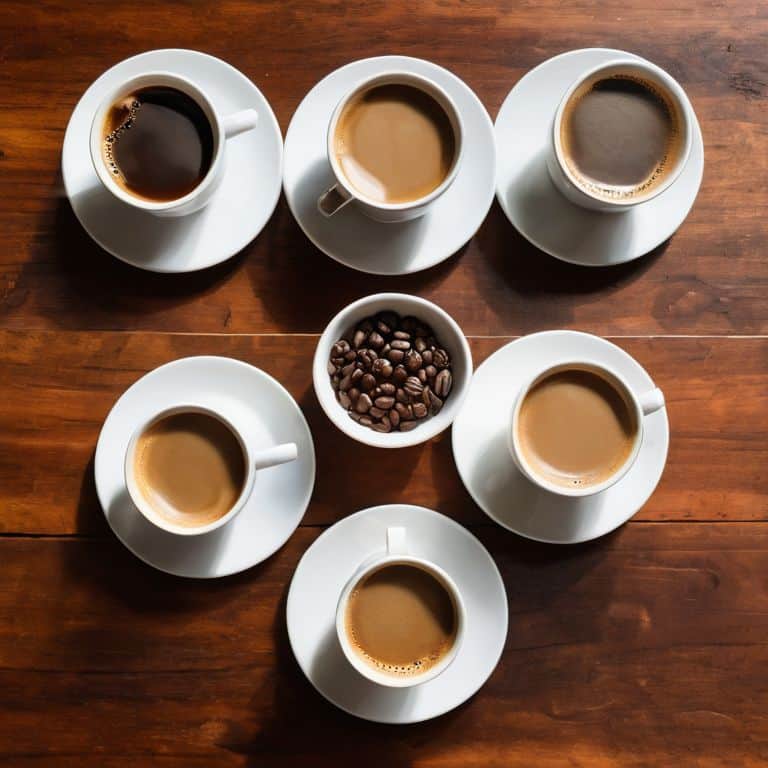
To truly appreciate the nuances of different coffee origins, I swear by coffee cupping techniques. This sensory ritual allows me to connect with each coffee on a deeper level. I start by preparing a cupping table with multiple samples, each representing a unique origin. With a spoon, I break the crust that forms on the surface, releasing the trapped aromas. As I inhale, I note the fragrance, taking care to distinguish between the scent of the dry grounds and the aroma of the wet coffee.
By slurping the coffee, I’m able to spray it across my palate, coating my taste buds. This is where the magic happens – the flavors, acidity, and body all come together in a harmonious balance. I pay close attention to the finish, too, as it often reveals subtle notes that might have gone unnoticed. Through this deliberate, meditative process, I’ve developed a keen sense of the distinctive characteristics that set each origin apart.
Decoding African vs South American
When it comes to African and South American coffees, the differences are stark. African coffees, such as those from Ethiopia and Kenya, tend to be brighter and more acidic, with fruity and floral notes. In contrast, South American coffees, like those from Brazil and Colombia, are often smoother and more balanced, with hints of nuts and chocolate. To decode these origins, pay attention to the coffee’s acidity level and flavor profile.
I recall a particularly striking Ethiopian Yirgacheffe I brewed, with notes of bergamot and lemon that danced on my palate. In contrast, a Brazilian Santana I tasted was all about rich, velvety texture and deep, earthy undertones. By tuning into these distinct characteristics, you’ll begin to uncover the unique personalities of each origin.
Unleashing Your Palate: 5 Essential Tips to Distinguish Coffee Origins
- Start with a clean slate: Begin by resetting your palate with a neutral-tasting food like crackers or water to eliminate any lingering flavors
- Pay attention to acidity: African coffees tend to have brighter, more pronounced acidity compared to South American coffees, which often exhibit smoother, sweeter notes
- Notice the body: The texture and weight of the coffee in your mouth can vary greatly between origins, with Asian coffees often feeling heavier and more syrupy than their Latin American counterparts
- Explore the flavor profile: From the fruity and wine-like notes of Ethiopian Yirgacheffe to the nutty and caramel hints of Brazilian Santos, each origin has its unique flavor fingerprint
- Keep a coffee journal: Record your tastings, noting the origin, roast level, and any distinctive characteristics you encounter, to develop your skills and track your progress over time
Key Takeaways for Mastering Coffee Origins
Tune into the distinct flavor profiles of African and South American coffees by recognizing the fruity and floral notes of African beans versus the nutty and chocolatey hints of South American varieties
Refine your coffee cupping techniques by investing in the right equipment, such as a cupping spoon and a scale, and by following a precise protocol for evaluating the aroma, flavor, and body of each coffee
Experiment with different roast levels, brewing methods, and water temperatures to unlock the full potential of your favorite coffee origins and develop a discerning palate that can detect the subtleties of each regional characteristic
The Art of Origin
Tasting the difference between coffee origins is not just about sipping, it’s about surrendering to the nuances of the land, the people, and the process – it’s a sensory journey that requires patience, passion, and a willingness to unravel the secrets hidden within each cup.
Julian Vale
Embracing the Flavor Journey
As we conclude our exploration of tasting the difference between coffee origins, it’s essential to summarize the key takeaways. We’ve delved into the world of coffee cupping, decoding the distinct notes of African and South American coffee, and uncovered the techniques to unravel the flavor odyssey. By mastering these skills, you’ll be well on your way to becoming a coffee connoisseur, capable of discerning the subtle nuances that set each origin apart. Remember, the journey to coffee enlightenment is a continuous one, and it’s crucial to stay curious and keep experimenting.
As you embark on this flavorful quest, I encourage you to pursue the perfect cup with passion and dedication. Don’t be afraid to venture off the beaten path, trying new origins and techniques along the way. With time and practice, you’ll develop a refined palate, and the world of coffee will become a more vibrant and fascinating place. So, go ahead, take a sip, and let the rich aromas and flavors transport you to a world of pure delight, where every cup is a masterpiece waiting to be savored.
Frequently Asked Questions
What are the key flavor profiles to look out for when distinguishing between African and South American coffee origins?
For African coffees, look for bright acidity and fruity, floral notes, while South American coffees tend to be smoother, with chocolatey, nutty flavors. Pay attention to the body and acidity – African coffees often have a lighter, tea-like body, whereas South Americans are richer and more full-bodied.
How can I develop my palate to accurately identify the unique notes of different coffee origins?
To develop your palate, start by cupping coffees from different regions side by side, focusing on nuances in acidity, body, and flavor profile. Pay attention to the subtleties – a hint of citrus in an Ethiopian, or the rich chocolate notes in a Brazilian. Record your observations, and trust your instincts – with time and practice, your senses will become more discerning.
Are there any specific coffee cupping techniques or tools that can help me better discern the nuances between various coffee origins?
For discerning nuances, I swear by the SCA cupping protocol and a good old-fashioned spoon. Pay attention to fragrance, aroma, and flavor profile. Note the body, acidity, and finish. Trust your senses, and don’t be afraid to get a little geeky – it’s all about precision and passion.