I still remember the day I realized that developing a refined coffee palate wasn’t just about drinking a lot of coffee, but about truly understanding the nuances of each brew. As a national Barista Champion, I’ve had my fair share of coffee tastings, but it was a particular cup that changed my perspective – a cup that made me realize the importance of a guide to developing your coffee palate. It was a Ethiopian Yirgacheffe, with notes of bergamot and honey, and it was like nothing I had ever tasted before. That moment sparked a passion in me to help others unlock the secrets of coffee, and I’ve been dedicated to sharing my knowledge ever since.
In this article, I’ll share my honest, no-hype advice on how to train your taste buds to detect even the subtlest notes in your favorite brew. You’ll learn how to move beyond just liking or disliking a coffee, and instead, develop a deeper understanding of the flavors and aromas that make each cup unique. From sensory exercises to coffee and food pairings, I’ll guide you through the process of refining your palate, so you can truly appreciate the art of coffee. Whether you’re a coffee newbie or a seasoned aficionado, this guide to developing your coffee palate will give you the tools you need to take your coffee game to the next level.
Table of Contents
- Guide Overview: What You'll Need
- Step-by-Step Instructions
- A Guide to Developing Your Coffee Palate
- Elevate Your Senses: 5 Expert Tips to Refine Your Coffee Palate
- Key Takeaways for a Discerning Coffee Palate
- Unlocking the Secrets of the Perfect Cup
- Elevating Your Coffee Experience
- Frequently Asked Questions
Guide Overview: What You'll Need

Total Time: several weeks to several months
Estimated Cost: $20 – $100
Difficulty Level: Intermediate
Tools Required
- Coffee Cups for tasting
- Water for palate cleansing
- Spittoon optional
Supplies & Materials
- Variety of Coffee Beans from different regions and roast levels
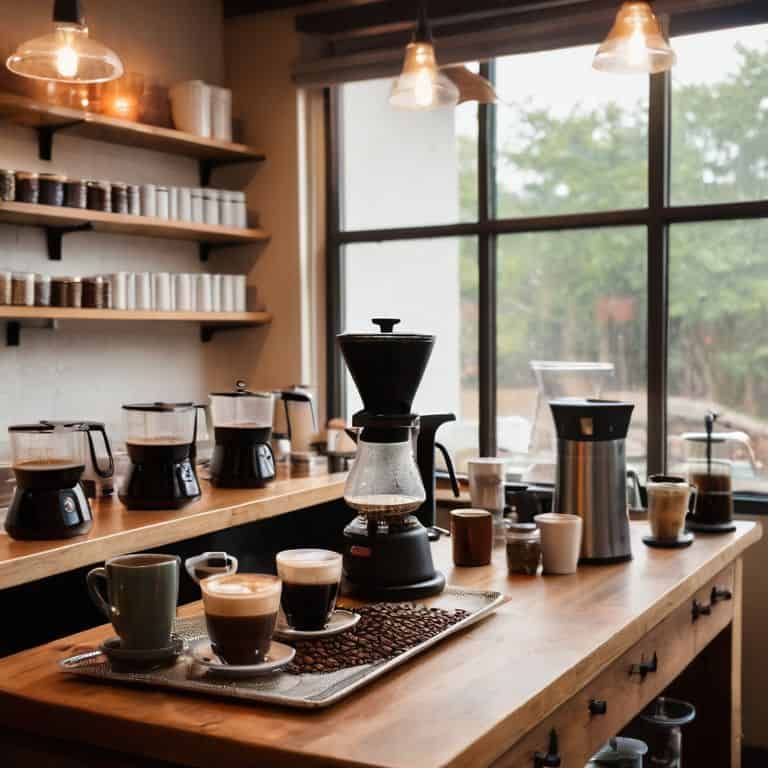
- Coffee Brewing Equipment e.g., French press, pour-over, or drip brewer
- Flavor Profile Wheel for reference
Step-by-Step Instructions
- 1. First, let’s start with the foundation of developing your coffee palate: taste memory. This is the process of training your brain to recognize and recall specific flavors and aromas. To begin, I recommend tasting a variety of coffees from different regions and farms, taking note of the unique characteristics of each. As you sip, pay attention to the flavor profile, including notes of fruit, chocolate, or nuts.
- 2. Next, it’s essential to understand the importance of sensory evaluation in coffee tasting. This involves using all of your senses to experience the coffee, from the aroma to the texture and flavor. When evaluating a coffee, start by smelling the beans or grounds, then proceed to brew and taste. Take note of the coffee’s body and acidity, as these will greatly impact the overall flavor experience.
- 3. Now, let’s talk about the role of water quality in coffee brewing. The water you use can significantly affect the taste of your coffee, so it’s crucial to use fresh, filtered water with the right mineral balance. I recommend using a water filter or a total dissolved solids (TDS) meter to ensure your water is optimal for brewing. This will help you achieve a more balanced extraction and bring out the full potential of your coffee beans.
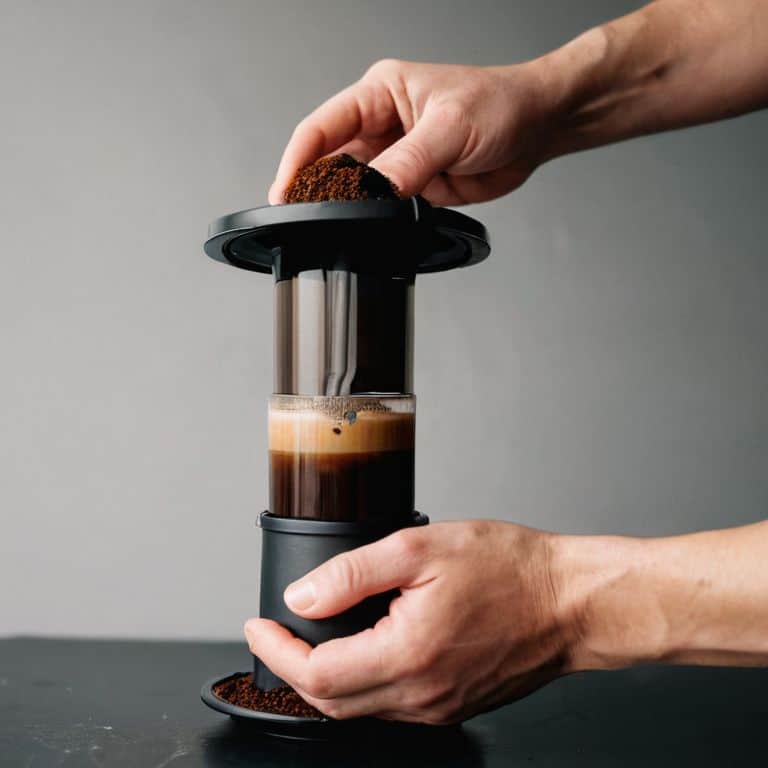
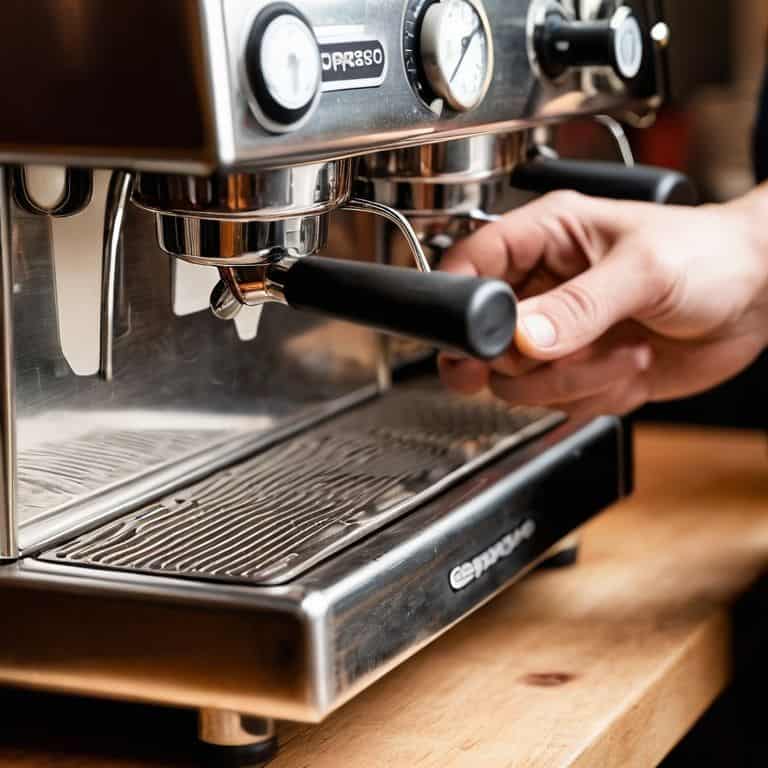
- 4. To further develop your coffee palate, I suggest experimenting with different brewing methods. This could include pour-over, French press, or even espresso. Each method will bring out unique characteristics in the coffee, and by comparing these differences, you’ll become more attuned to the nuances of flavor and aroma. Start with a simple method like pour-over and gradually move on to more complex techniques.
- 5. As you continue to taste and experiment with different coffees and brewing methods, it’s essential to keep a coffee journal. This will help you track your progress, note your preferences, and identify patterns in the flavors and aromas you enjoy. Write down the coffee’s origin, processing method, and any notable flavor characteristics. Over time, this journal will become a valuable resource for refining your coffee palate.
- 6. Another critical aspect of developing your coffee palate is calibrating your senses. This involves training your senses to detect subtle differences in flavor and aroma. One way to do this is by participating in coffee cupping sessions, where you’ll taste multiple coffees side by side. This will help you develop your ability to discern subtle variations in flavor and aroma, allowing you to better appreciate the complexities of coffee.
- 7. Finally, to take your coffee palate to the next level, I recommend tasting coffee with a purpose. This means approaching each cup with a clear intention to learn and discover something new. Ask yourself questions like: What are the dominant flavor notes in this coffee? How does the acidity affect the overall taste? By maintaining a curious and inquisitive mindset, you’ll be able to extract more value from each tasting experience and continue to refine your coffee palate.
A Guide to Developing Your Coffee Palate
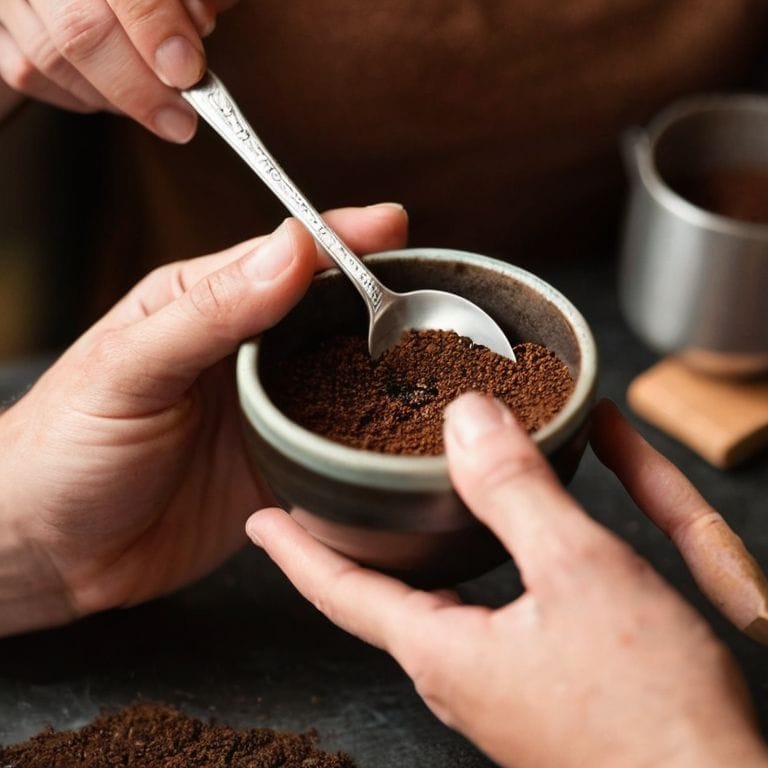
As I delve deeper into the world of coffee, I’ve come to realize that coffee cupping techniques are essential for any aspiring coffee connoisseur. It’s not just about tasting the coffee, but about understanding the nuances of its flavor profile. By incorporating sensory evaluation of coffee into your daily routine, you’ll be able to pick up on subtle notes and aromas that would otherwise go unnoticed.
To take your coffee tasting skills to the next level, try improving your sense of smell. Our sense of smell is closely linked to our sense of taste, and being able to identify different aromas will help you to better understand the flavor profile of your coffee. Start by smelling different spices, herbs, and flowers to develop your sense of smell.
When it comes to understanding coffee acidity, it’s all about finding a balance. Coffee with high acidity can be bright and refreshing, but it can also be overwhelming if not balanced with a smooth body and texture. By experimenting with different roast levels and brewing methods, you’ll be able to find the perfect balance of acidity and body to suit your taste preferences.
Coffee Cupping Techniques for Beginners
Coffee cupping is an immersive experience that awakens your senses to the nuances of coffee. As a beginner, start by using the SCA’s (Specialty Coffee Association) cupping protocol, which involves smelling, slurping, and evaluating the flavor, acidity, and body of each coffee. I recommend beginning with a variety of single-origin coffees to appreciate their distinct flavor profiles.
When cupping, pay attention to the coffee’s aroma, both dry and wet. Take note of the flavors that emerge as you slurp, and assess the coffee’s acidity and body. This deliberate, sensory-focused approach will help refine your palate, allowing you to discern subtle differences between coffees.
Sensory Evaluation of Coffee Flavors and Acidity
As I cup coffee, I’m fully immersed in the sensory experience. I evaluate the flavors, noting the sweetness, fruit, or floral notes that emerge. Acidity, too, plays a crucial role – a bright, snappy acidity can elevate the entire cup, while an unbalanced one can throw it off. I pay attention to the finish, how the flavors linger on my palate, and whether they’re clean and refreshing or bitter and astringent.
To truly develop your palate, I recommend focusing on the nuances of acidity and flavor. Try to distinguish between citric, malic, and tartaric acidity, and notice how they interact with the coffee’s sweetness and body. With practice, you’ll become more attuned to these subtleties, and your appreciation for the intricacies of coffee will deepen.
Elevate Your Senses: 5 Expert Tips to Refine Your Coffee Palate
- Start a coffee journal to track your tastings, noting the coffee’s origin, roast level, and any distinct flavor notes you detect
- Invest in a variety of coffee beans from different regions to experience a broad spectrum of flavor profiles and acidity levels
- Practice sensory evaluation by cupping coffee with a focus on aroma, flavor, and mouthfeel, using the SCA’s flavor wheel as a guide
- Experiment with different brewing methods to understand how each affects the flavor and aroma of your coffee, from pour-overs to espresso
- Join a coffee tasting group or find a coffee-tasting buddy to share experiences, learn from others, and refine your palate through collaborative discovery
Key Takeaways for a Discerning Coffee Palate
Train your senses by regularly cupping a variety of coffees, focusing on notes of flavor, acidity, and body to develop a nuanced understanding of what makes a great cup
Pay attention to the subtleties of roast levels, processing methods, and origin characteristics, as these factors significantly influence the final flavor profile of your coffee
Practice active tasting by recording your observations, asking questions, and seeking feedback from fellow coffee enthusiasts to refine your palate and continually improve your brewing skills
Unlocking the Secrets of the Perfect Cup
The journey to a refined coffee palate is not about just tasting coffee, it’s about understanding the symphony of flavors, the nuances of acidity, and the subtle dance of sensations that unfold with each sip – it’s a path that requires patience, dedication, and a willingness to immerse yourself in the sensory world of coffee.
Julian Vale
Elevating Your Coffee Experience
As we conclude this journey to develop your coffee palate, remember that the key to unlocking a world of flavors lies in sensory evaluation and coffee cupping techniques. By mastering these skills, you’ll be able to discern the subtlest notes and nuances in your favorite brews, from the brightness of acidity to the depth of body. Whether you’re a casual coffee enthusiast or an aspiring barista, the pursuit of coffee perfection is a lifelong journey that requires patience, dedication, and a willingness to experiment and learn.
So, as you embark on this delicious adventure, I encourage you to stay curious, keep exploring, and always strive for that perfect balance of flavors. With time and practice, you’ll develop a refined coffee palate that will elevate your daily brew from a mundane routine to a meditative ritual, allowing you to appreciate the beauty and complexity of this beloved beverage. Cheers to the pursuit of coffee enlightenment!
Frequently Asked Questions
How can I consistently identify and describe the flavor notes in different coffee beans?
To consistently identify flavor notes, I recommend keeping a coffee journal to track your tastings. Record the coffee’s origin, roast level, and any distinct flavors you detect. Over time, your palate will become more discerning, allowing you to pinpoint specific notes like citrus or chocolate with greater ease and accuracy.
What role does water quality play in developing my coffee palate, and are there specific water characteristics I should aim for?
Water quality is crucial – it can make or break the flavor profile. I obsess over water chemistry, and for good reason. Aim for water with a balanced mineral content, around 100-200 ppm, and a neutral pH. This will allow the coffee’s nuances to shine through, rather than imparting unwanted flavors. Trust me, it’s worth the attention to detail.
Can you recommend a starter kit or a specific set of coffee beans for a beginner to practice cupping and sensory evaluation?
For a beginner, I recommend starting with a single-origin espresso roast from Ethiopia or Colombia. Look for a starter kit that includes a burr grinder, scale, and cupping bowls. Begin with a light roast to accentuate acidity and flavor notes, and don’t be afraid to experiment with different beans to develop your palate.