I still remember the day I had to make a choice: automatic drip vs manual pour-over. It was like choosing between a bland, mass-produced taste and a rich, velvety experience that would change my coffee game forever. As a specialty coffee buyer and roaster, I’ve had the privilege of traveling to coffee farms in Central and South America, and I can tell you that there’s no comparison between the two. The question is, which one is right for you?
As someone who’s passionate about uncovering the truth behind each cup, I’m here to give you the lowdown on both methods. In this article, I’ll share my no-nonsense advice, gained from years of professional tasting and experimentation. I’ll cut through the hype and give you a clear understanding of what to expect from each brewing method. Whether you’re a coffee newbie or a seasoned aficionado, my goal is to empower you to make an informed decision that suits your taste buds and lifestyle. So, let’s dive in and explore the world of automatic drip vs manual pour-over – and discover which one is the perfect fit for you.
Table of Contents
Automatic Drip
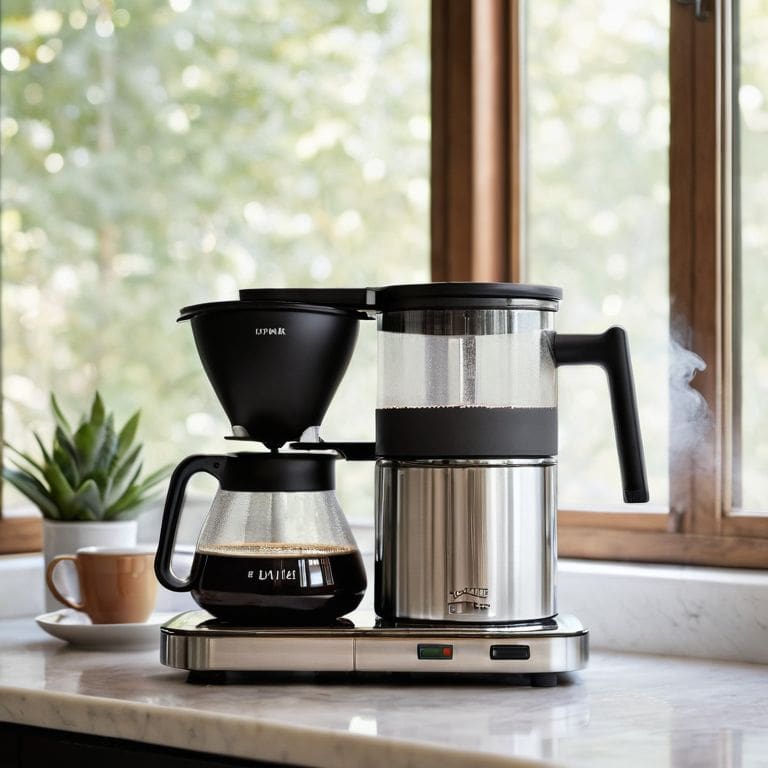
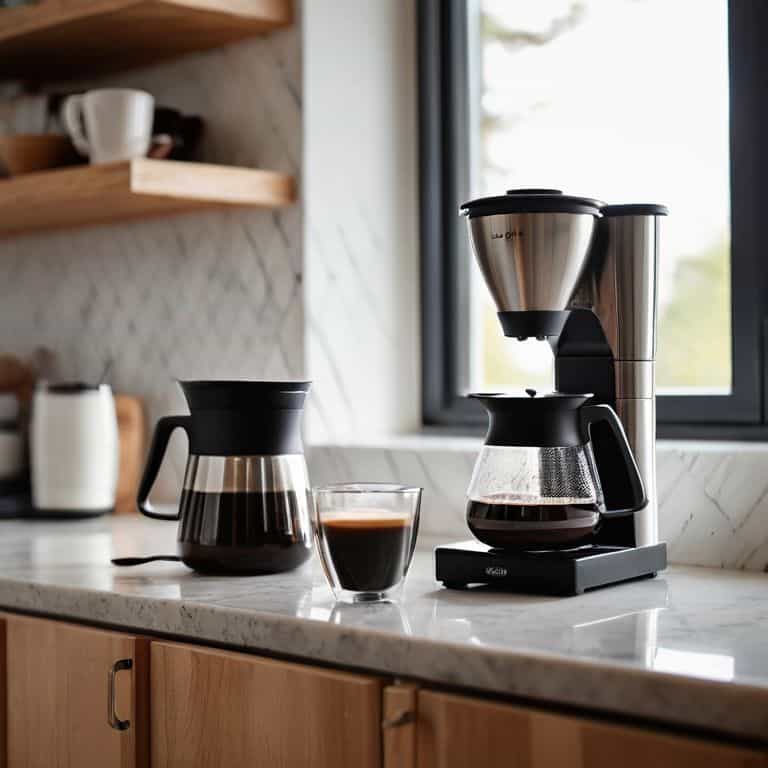
Automatic drip is a type of coffee maker that uses gravity to slowly drip hot water through ground coffee beans in a filter, with its main selling point being convenience and ease of use. This method allows for a straightforward and low-maintenance brewing process, making it a popular choice for many coffee lovers. The automatic drip coffee maker is often equipped with features such as timers and multiple cup sizes, catering to various user preferences.
I still recall my first encounter with an automatic drip coffee maker – it was seamless and required minimal effort, but the resulting coffee lacked a certain depth and richness that I now crave. As someone who has spent years refining their palate, I can appreciate the effortless nature of automatic drip, but it’s hard to shake off the feeling that something is missing in terms of flavor complexity and aroma. Despite this, many people swear by the consistency and practicality of automatic drip, and it remains a staple in many households.
Manual Pour-Over
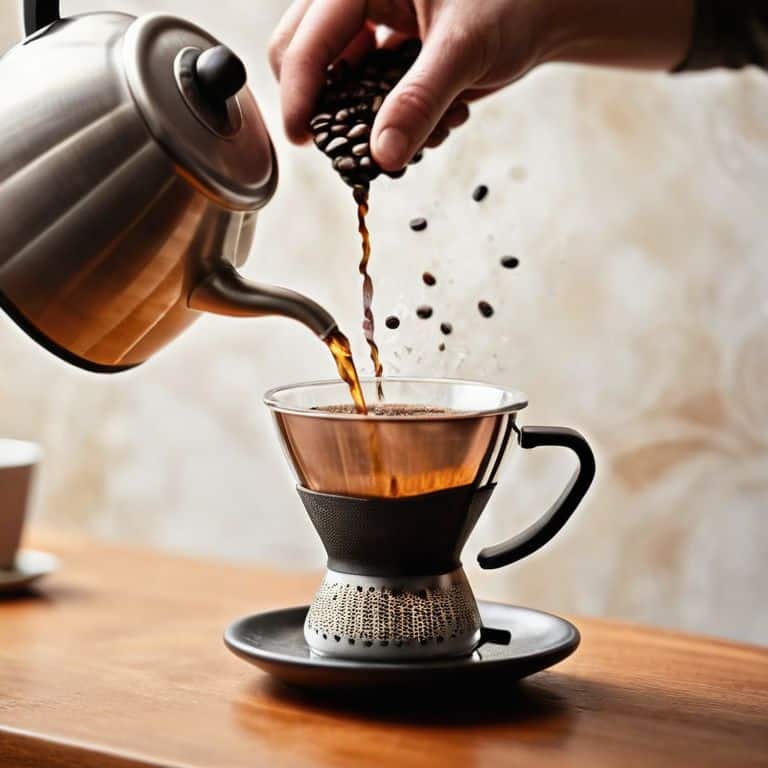
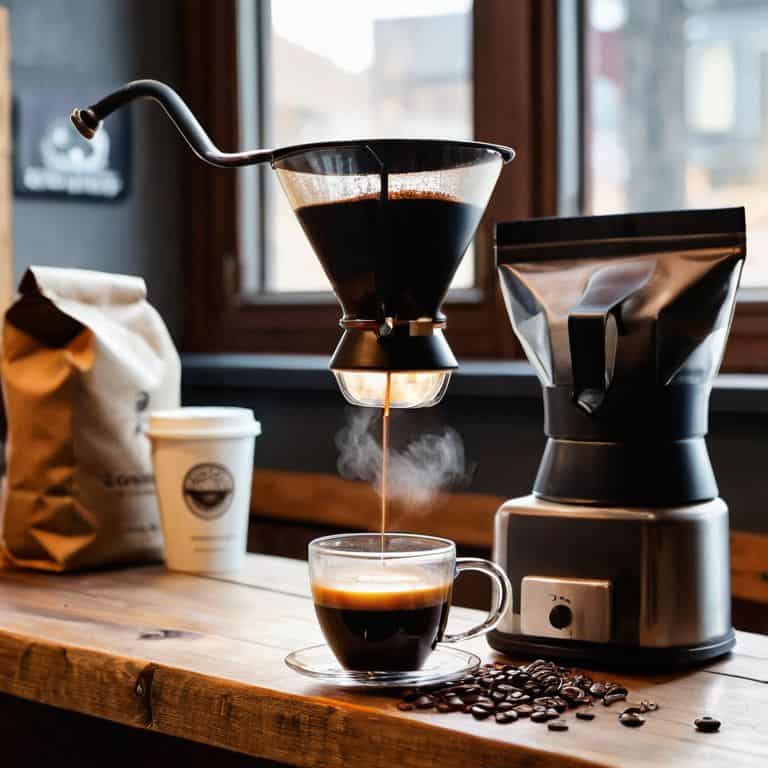
Manual pour-over is a brewing method that involves slowly pouring hot water over ground coffee beans in a filter, allowing for a high degree of control and customization over the brewing process, with its main advantage being the ability to produce a nuanced and full-bodied cup of coffee. This method requires a bit more effort and technique than automatic drip, but the payoff is well worth it for those who value flavor precision and a more immersive coffee experience. The manual pour-over process enables users to finely tune parameters such as water temperature, coffee-to-water ratio, and pouring technique.
For me, manual pour-over is more than just a brewing method – it’s an art form that requires patience, attention to detail, and a willingness to experiment and refine one’s technique. I’ve spent countless hours perfecting my pour-over skills, and the reward is a cup of coffee that’s truly greater than the sum of its parts. The manual pour-over process allows me to connect with the coffee on a deeper level, appreciating the subtle flavors and aromas that emerge when the beans are coaxed to their full potential.
Head-to-Head Comparison: Automatic Drip vs Manual Pour-Over
| Feature | Automatic Drip | Manual Pour-Over |
|---|---|---|
| Price | $50-$200 | $20-$100 |
| Key Feature | Convenience, Programmable | Control, Flavor |
| Best For | Busy households, Large groups | Coffee enthusiasts, Small batches |
| Brew Time | 5-10 minutes | 3-5 minutes |
| Cleaning | Moderate difficulty | Easy |
| Customization | Limited | High |
| Space Requirement | Medium to large | Small to medium |
Drip vs Pour Over
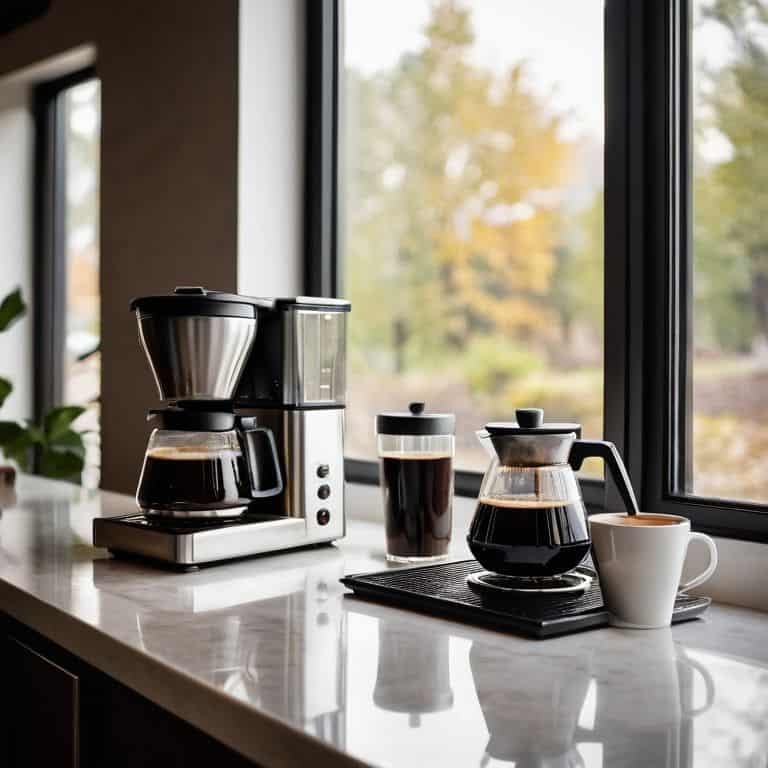
When it comes to the automatic drip vs manual pour-over debate, the method of brewing is a critical factor. Understanding how each method affects the final cup is essential for coffee enthusiasts. The reason drip vs pour-over matters is that it directly impacts the flavor, aroma, and overall experience of the coffee.
In a head-to-head analysis, automatic drip brewers tend to produce a more consistent flavor, but often at the cost of nuance and depth. On the other hand, manual pour-over methods allow for a high degree of control over variables like water temperature and coffee-to-water ratio, resulting in a more dynamic flavor profile. This difference has significant practical implications, as it can greatly affect the daily routine of coffee lovers.
In conclusion, when it comes to the drip vs pour-over criterion, I declare manual pour-over the winner. The ability to craft a unique and complex cup with each brew makes it the preferred method for those seeking a truly exceptional coffee experience. With pour-over, every sip tells a story of the coffee’s origin and the care with which it was brewed.
Key Takeaways: Elevating Your Coffee Experience
I firmly believe that manual pour-over brewing offers a more nuanced and flavorful cup compared to automatic drip, allowing me to truly appreciate the unique characteristics of each coffee bean
Understanding the origins and processing methods behind your coffee is crucial – it’s not just about the taste, but also about the story and people behind it, which is why I always look for transparency and ethical sourcing in my coffee purchases
When it comes to choosing between automatic drip and manual pour-over, it ultimately comes down to your personal priorities: convenience and ease of use versus a rich, immersive coffee experience that tells a story with every sip
A Brewing Epiphany
The difference between automatic drip and manual pour-over isn’t just about machines versus hands, it’s about sacrificing flavor for convenience versus embracing the art of brewing that lets every nuanced note of your coffee shine through.
Amelia Rose
The Final Verdict: Which Should You Choose?
As I reflect on my journey of comparing automatic drip and manual pour-over coffee makers, I am reminded of the sensory experience that each offers. The automatic drip provides a convenient and quick way to brew coffee, but it often lacks the rich flavors and aromas that manual pour-over methods can deliver. In contrast, manual pour-over requires a bit more effort and time, but it allows for a high degree of control over the brewing process, resulting in a more nuanced and satisfying cup of coffee.
Ultimately, the choice between an automatic drip and a manual pour-over comes down to your personal preferences and coffee goals. If you value convenience and speed, an automatic drip might be the better choice. However, if you’re willing to invest a bit more time and effort into your coffee, I firmly believe that a manual pour-over is the way to go, offering a more immersive coffee experience that will leave you feeling like a true coffee connoisseur.
Frequently Asked Questions
What are the key differences in flavor profile between coffee brewed with an automatic drip and a manual pour-over?
For me, the flavor difference is night and day. Automatic drip brews can be dull and stale, while manual pour-over brings out the coffee’s unique characteristics – brighter acidity, more nuanced body, and a cleaner finish. It’s like tasting the farm’s terroir versus a generic blend.
How do the cleaning and maintenance requirements compare between automatic drip and manual pour-over coffee makers?
Cleaning and maintenance are a breeze with manual pour-overs, just a quick rinse and they’re good as new. Automatic drip machines, on the other hand, require descaling and filter replacements, which can be a hassle. I personally love the simplicity of pour-overs, but some may find the drip’s automated cleaning cycle worth the extra upkeep.
Are there any significant differences in the cost of owning and operating an automatic drip versus a manual pour-over coffee maker?
As a coffee aficionado, I’ve found that manual pour-overs are generally more cost-effective in the long run. While automatic drips may have a lower upfront cost, their paper filters and higher energy consumption add up over time. In contrast, pour-overs use reusable filters, making them a more sustainable and budget-friendly option.