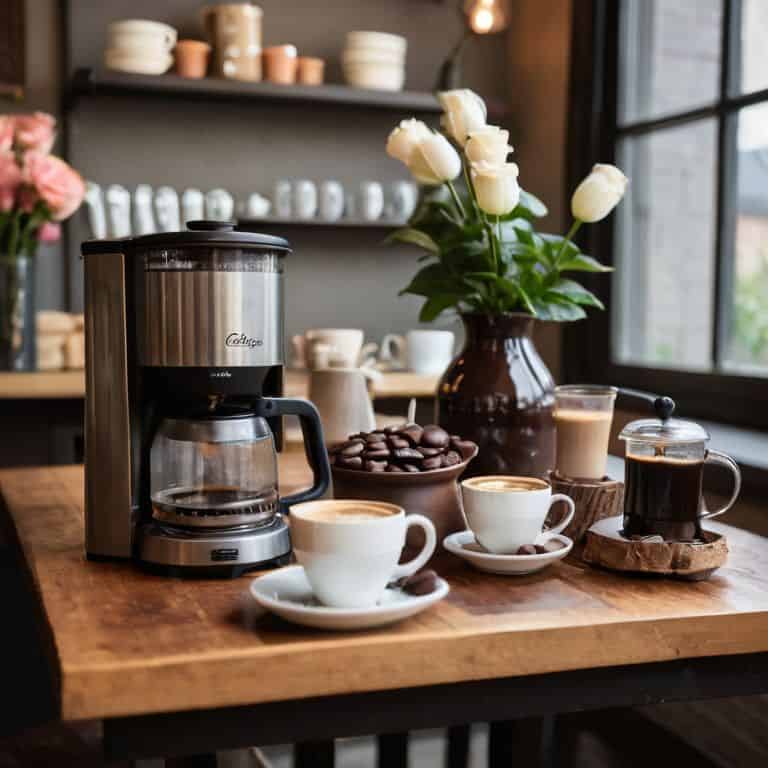
As I sit here, sipping my Japanese-style iced coffee, I’m reminded of the countless times I’ve been asked how to make japanese-style iced coffee that actually tastes like the real deal. The truth is, most of us have been misled into believing that it’s all about dumping hot coffee over ice, but that’s a recipe for disaster. The key to a truly exceptional cup lies in the nuances of the brewing process, and I’m excited to share my secrets with you.
In this article, I’ll guide you through the honest, no-fuss process of crafting Japanese-style iced coffee that will elevate your coffee game. You’ll learn the importance of ratio and temperature, and how to balance these elements to create a smooth, full-bodied flavor. By the end of this journey, you’ll be equipped with the knowledge to brew Japanese-style iced coffee like a pro, and I promise you, it’s worth the effort. So, let’s dive in and explore the art of creating this decadent coffee experience that will leave you wanting more.
Table of Contents
- Guide Overview: What You'll Need
- Step-by-Step Instructions
- Seduced by Japanese Iced Coffee
- Steeping in Sophistication: 5 Essential Tips for Crafting Japanese-Style Iced Coffee
- Elevating Your Brew: 3 Key Takeaways
- The Art of Japanese Iced Coffee
- Elevating Your Senses: A Japanese-Style Iced Coffee Journey
- Frequently Asked Questions
Guide Overview: What You'll Need

Total Time: 30 minutes
Estimated Cost: $10 – $20
Difficulty Level: Easy
Tools Required
- Coffee Grinder (for grinding coffee beans)
- French Press (or pour-over coffee maker)
- Measuring Cups (for measuring water and coffee)
- Spoons (for stirring and scooping)
- Glass (for serving iced coffee)
Supplies & Materials
- Japanese-Style Coffee Beans (or any light roast coffee beans)
- Water (cold and fresh)
- Ice Cubes (for chilling coffee)
- Sugar or Sweetener (optional)
- Milk or Creamer (optional)
Step-by-Step Instructions
- 1. First, let’s start with the essential equipment: you’ll need a Japanese-style iced coffee dripper, also known as a “Hario” or “Kyoto-style” dripper, which allows for a slow and precise drip of hot water over ground coffee beans. I just adore the ritual of setting up my dripper, it’s almost like preparing for a _sensory experience_.
- 2. Next, select your coffee beans with care, as the type and quality of the beans will greatly impact the flavor of your Japanese-style iced coffee. I personally prefer a light to medium roast, as it provides a _bright and refreshing_ taste that’s perfect for warm days.
- 3. Now, it’s time to grind your coffee beans to the perfect consistency. You’re aiming for a medium-coarse grind, similar to kosher salt. Be careful not to over-grind, as this can lead to a bitter taste. I like to use a burr grinder, as it provides a _consistent grind_ and helps to bring out the unique flavors of the coffee.
- 4. With your coffee beans ground, it’s time to prepare the dripper. Place a paper filter in the dripper, and rinse it with hot water to remove any paper taste. Then, add the ground coffee to the filter, making sure to level it out evenly. This is where the magic happens, and the anticipation starts to build.
- 5. Now, it’s time to heat the water to the perfect temperature. You’re aiming for a temperature between 195°F and 205°F, which is ideal for extracting the unique flavors of the coffee. I like to use a thermometer to ensure the perfect temperature, as it makes all the difference in the _final flavor_.
- 6. With the water heated, it’s time to start the drip. Slowly pour the hot water over the coffee grounds in a circular motion, making sure to saturate all of the grounds evenly. This is the most meditative part of the process, as you get to watch the coffee slowly drip into the pot.
- 7. As the coffee drips, you can start to prepare the serving glasses. I like to use tall, clear glasses to show off the _beautiful color_ of the coffee. Add ice to the glasses, and get ready to pour in the freshly brewed coffee. This is the moment you’ve been waiting for – the grand finale of your Japanese-style iced coffee journey.
Seduced by Japanese Iced Coffee
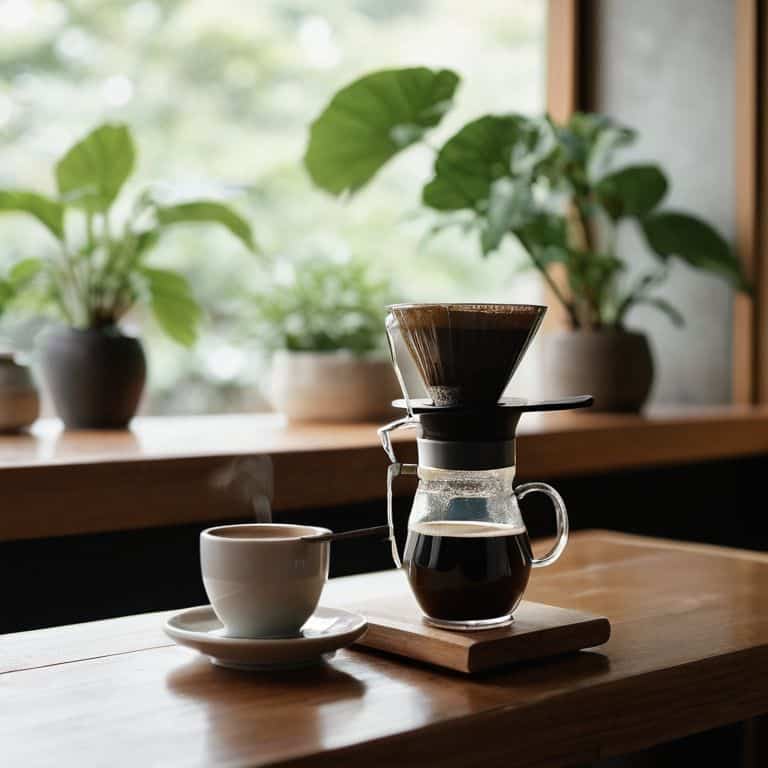
As I delve into the world of Japanese iced coffee, I’m reminded of the rich coffee culture that exists in this beautiful country. From the delicate pour-overs to the intricate coffee ceremonies, every aspect of Japanese coffee culture is a testament to the nation’s love for this beloved beverage. When it comes to iced coffee brewing methods, the Japanese have perfected the art of balancing flavors and textures.
One of the most critical factors in creating the perfect Japanese-style iced coffee is the coffee to water ratio. This ratio can make or break the flavor profile of your coffee, and it’s essential to get it just right. I’ve found that using a slightly higher coffee-to-water ratio than usual helps to bring out the bold flavors of the coffee, which is then balanced by the ice.
In the summer, there’s nothing quite like sipping on a refreshing cup of Japanese iced coffee. Unlike cold brew vs iced coffee, Japanese iced coffee offers a more nuanced and refreshing flavor profile that’s perfect for hot summer days. Whether you’re using a traditional Japanese iced coffee equipment or a more modern setup, the key is to experiment and find the perfect balance of flavors to suit your taste.
Mastering Iced Coffee Brewing Methods
As I delve into the world of Japanese iced coffee, I’m captivated by the nuances of brewing methods. From pour-over to cold brew, each technique unlocks a distinct flavor profile. To master the art of iced coffee, it’s essential to understand the subtleties of these methods. I’ve found that a well-balanced pour-over can bring out the bright, acidic notes, while cold brew yields a smoother, more full-bodied flavor.
By experimenting with different brewing techniques, I’ve discovered that the key to a perfect cup lies in the balance between coffee and water. Freshly ground espresso, in particular, adds a depth and richness that elevates Japanese iced coffee to new heights. Whether you prefer a strong and bold or a subtle and sweet flavor, mastering the brewing method is crucial to unlocking the ultimate iced coffee experience.
Unveiling Japanese Coffee Culture Secrets
As I delve deeper into the world of Japanese iced coffee, I’m fascinated by the nuances of their coffee culture. From the meticulous pouring techniques to the carefully selected coffee beans, every detail is a testament to the Japanese passion for perfection. I’ve had the privilege of visiting Tokyo’s hidden gems, where coffee connoisseurs gather to savor the rich flavors of expertly brewed coffee. The attention to detail, the reverence for tradition, and the innovative spirit of Japanese coffee culture have inspired me to experiment with unique flavor combinations and techniques.
In my own kitchen, I’ve begun to incorporate elements of Japanese coffee culture into my recipes, pairing delicate pour-overs with handcrafted desserts and artisanal chocolates. The result is a truly immersive experience that awakens the senses and transports me to the vibrant streets of Tokyo. With each sip and each bite, I feel like I’m uncovering a new secret, a new technique, or a new flavor that showcases the elegance and sophistication of Japanese coffee culture.
Steeping in Sophistication: 5 Essential Tips for Crafting Japanese-Style Iced Coffee
- Harmonize your coffee-to-water ratio to unlock the full, rich flavor of Japanese-style iced coffee, and don’t be afraid to experiment until you find your perfect balance
- Select a high-quality coffee bean that’s been roasted to perfection, as this will be the backbone of your iced coffee’s flavor profile and depth
- Invest in a beautiful, hand-crafted Japanese coffee dripper that not only brews exceptional coffee but also adds an air of elegance to your coffee-making ritual
- Chill your coffee in the refrigerator overnight to allow the flavors to mature and blend together in harmony, resulting in a smoother, more refined taste experience
- Pair your Japanese-style iced coffee with a complementary dessert, such as mochi or manju, and a shot of espresso made from a specially selected coffee origin to elevate the experience and delight your senses
Elevating Your Brew: 3 Key Takeaways
I’ve found that using freshly ground espresso is crucial for bringing out the full flavor potential of Japanese-style iced coffee, and I always recommend pairing it with a rich, full-bodied coffee origin like Sumatran or Brazilian
Mastering the coffee-to-water ratio is an art that requires patience and practice, but the perfect balance can elevate your iced coffee from ordinary to sublime, and I swear by a 1:15 ratio for the most indulgent results
Experimenting with unique ingredients and flavor combinations, such as infused simple syrups or delicate florals, can add a sophisticated twist to your Japanese-style iced coffee and make it a truly Instagram-worthy dessert-like treat
The Art of Japanese Iced Coffee
To craft Japanese-style iced coffee that’s nothing short of sublime, one must first understand that it’s not just about the ratio of coffee to water, but about orchestrating a delicate dance between flavor, temperature, and time.
Elena Petrova
Elevating Your Senses: A Japanese-Style Iced Coffee Journey
As we conclude our journey through the realm of Japanese-style iced coffee, let’s revisit the key elements that elevate this brew to an art form. From the precise coffee-to-water ratio to the nuances of Japanese coffee culture, each step is a testament to the country’s dedication to perfection. By mastering the techniques outlined in this guide, you’ll be well on your way to crafting Japanese-style iced coffee that not only tantalizes the taste buds but also satisfies the senses. Whether you’re a coffee aficionado or just beginning to explore the world of specialty coffee, this journey is sure to leave you inspired and eager to experiment with new flavors and techniques.
As you embark on your own Japanese-style iced coffee adventures, remember that the true beauty of this craft lies in its ability to transport us to another world. With each sip, you’re not just tasting coffee – you’re experiencing the culmination of tradition, innovation, and passion. So, go ahead, indulge in the ritual, and let the rich flavors and aromas of Japanese-style iced coffee become your own personal slice of heaven. With every cup, you’ll find yourself becoming a part of a timeless story, one that weaves together the threads of culture, community, and, of course, exquisite coffee.
Frequently Asked Questions
What type of coffee beans are best suited for Japanese-style iced coffee?
For Japanese-style iced coffee, I adore using high-quality, lightly roasted Arabica beans with notes of citrus and floral hints. The subtle acidity and delicate flavors perfectly complement the icy brew, creating a refreshing and sophisticated cup. My personal favorite? Ethiopian Yirgacheffe – its tea-like nuances and fruity undertones make it a stunning match for this style of coffee.
How do I adjust the brewing time to achieve the perfect balance of flavor and acidity?
To achieve that perfect harmony, adjust your brewing time based on the coarseness of your grind and the desired strength. For a smoother, low-acidity cup, brew for 12-15 minutes. For a brighter, more acidic taste, brew for 8-10 minutes. Experiment and find your sweet spot – and don’t forget to pair it with a rich, velvety espresso con panna for the ultimate indulgence.
Can I use a regular drip coffee maker to make Japanese-style iced coffee or do I need a specialized pour-over or dripper?
While you can use a drip coffee maker, the result won’t be the same as traditional Japanese-style iced coffee. For an authentic experience, I recommend investing in a pour-over or dripper, like a Hario V60 or Melitta, to bring out the nuances of the coffee. Trust me, the extra effort is worth it for that perfect cup.