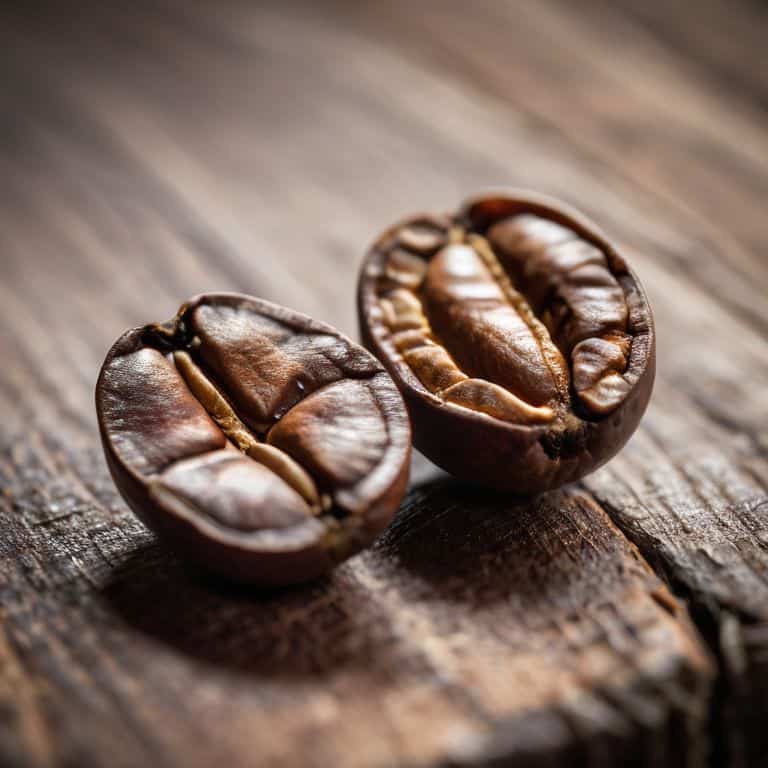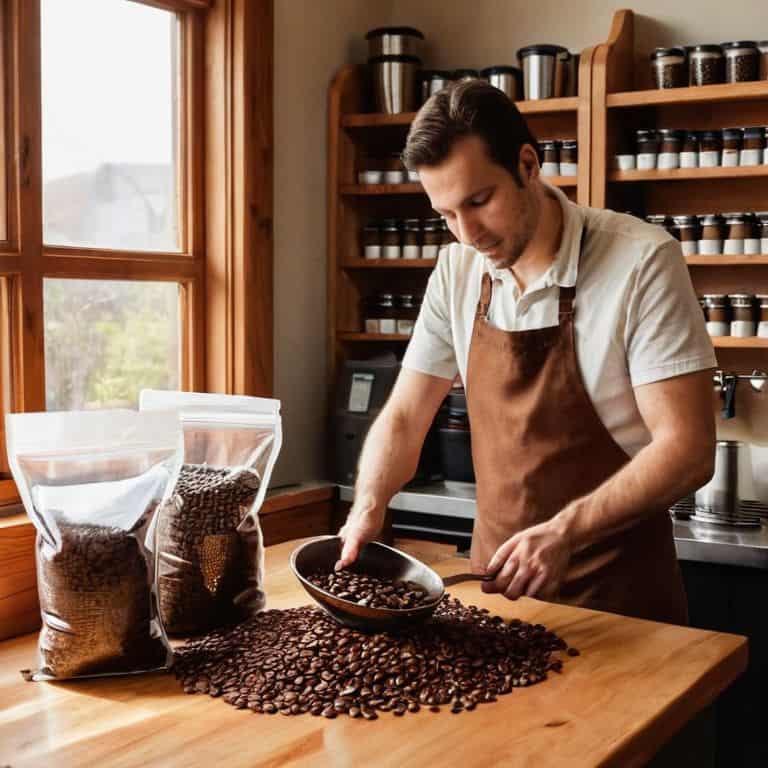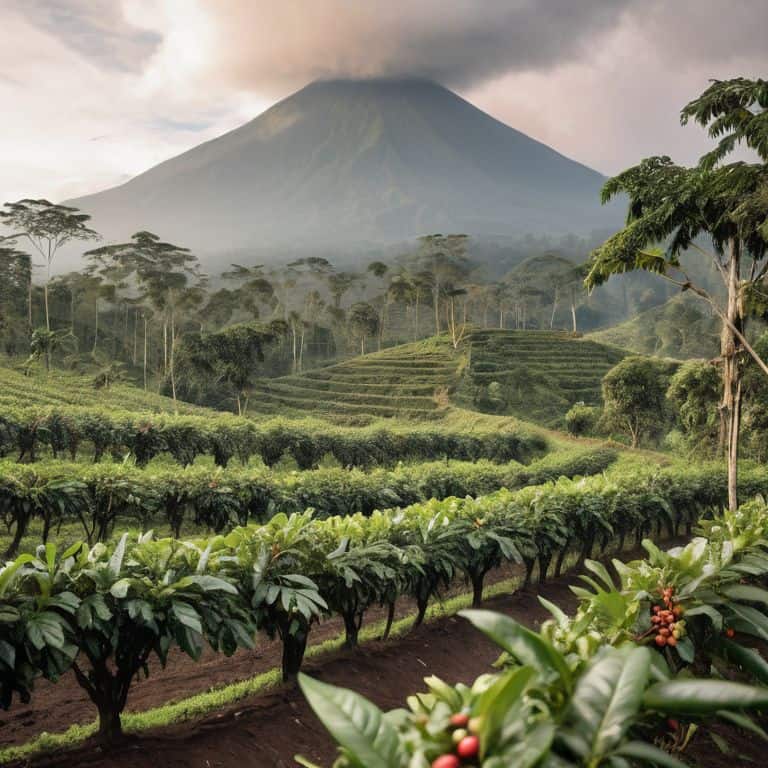
I still remember the first time I visited a coffee farm in Colombia, surrounded by the _rolling hills_ of the Zona Cafetera. The air was filled with the sweet aroma of ripe coffee cherries, and I knew right then that I was in for a treat. But what makes Colombian coffee so famous? Is it the high altitude, the rich soil, or the meticulous care of the farmers? As I delved deeper into the world of coffee, I realized that it’s not just one factor, but a combination of elements that come together to create the distinct flavor profile that Colombian coffee is known for. I’ve often found myself wondering, what makes Colombian coffee so famous, and my answer is always the same: it’s the _perfect blend_ of nature, nurture, and tradition.
As a head roaster and green coffee buyer, I’ve had the privilege of working with some of the best coffee farmers in Colombia, and I can tell you that their passion and dedication are unparalleled. In this article, I promise to take you on a journey to the heart of Colombian coffee, to share with you the stories of the people and the places that make this coffee so special. I’ll cut through the hype and give you the _straight truth_ about what makes Colombian coffee so famous, from the processing methods to the flavor notes. My goal is to help you appreciate the complexity and richness of Colombian coffee, and to inspire you to try new varieties and flavor profiles. So, let’s embark on this journey together, and discover the magic of Colombian coffee.
Table of Contents
Unraveling Colombian Coffee Fame

As I delve into the world of Colombian coffee, I’m reminded of the rich soil that nurtures these precious cherries. The country’s coffee growing conditions are a perfect blend of altitude, temperature, and rainfall, which contributes to the distinct flavor profile of Colombian coffee. From the Andean region to the coffee axis, each area boasts its unique characteristics, shaping the taste of the coffee.
My experiences with coffee farmers in Colombia have taught me that the coffee bean varieties grown in the country play a significant role in its fame. Varieties like Castillo, Caturra, and Typica are widely cultivated, and each brings its own set of flavors to the table. The careful selection and cultivation of these varieties are a testament to the dedication of Colombian coffee farmers. Whether it’s the coffee production process or the meticulous care taken during harvesting, every step is a labor of love.
As I reflect on my travels to Colombia, I’m struck by the sustainable farming practices adopted by many coffee farms. These practices not only ensure the long-term health of the soil and the environment but also contribute to the unique flavor profile of Colombian coffee. By supporting sustainable Colombian coffee farming, we’re not only getting a great cup of coffee, but we’re also helping to preserve the tradition and culture of coffee production in Colombia.
Colombian Coffee Growing Conditions
As I reflect on my visits to Colombian farms, I’m reminded of the crucial role that altitude plays in shaping the flavor profile of their coffee. The country’s coffee-growing regions, known as the Zona Cafetera, are nestled in the Andean mountains, where the high elevation and mild climate create an ideal environment for coffee production.
The combination of rich volcanic soil and ample rainfall also contributes to the distinct flavor notes found in Colombian coffee. I’ve seen firsthand how the unique terroir of each region, from the Caldas to the Quindío departments, imparts a subtle yet recognizable character to the coffee cherries, making each cup a true reflection of its origin.
Sustainable Farming Practices Revealed
As I reflect on my visits to Colombian farms, I’m reminded of the sustainable methods that have been woven into the fabric of their coffee production. From using natural pest control to implementing crop rotation, these farmers have developed a deep understanding of the land and its rhythms. This not only ensures the quality of their coffee but also helps preserve the environment for future generations.
The careful attention to detail in their farming practices is truly admirable, with many farms adopting organic composting to enrich the soil. This approach not only reduces their environmental footprint but also contributes to the distinct flavor profiles that Colombian coffee is known for.
What Makes Colombian Coffee Famous
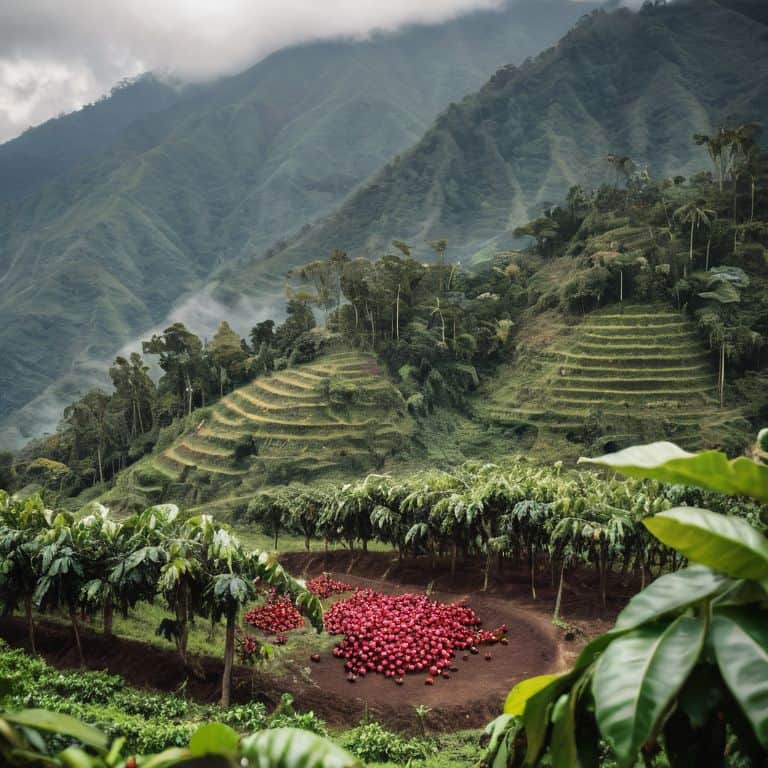
As I reflect on my journeys to Colombia, I’m reminded of the rich soil and lofty altitudes that contribute to the country’s distinct coffee flavor profile. The combination of these factors, along with the dedication of Colombian coffee farmers, has earned the country a reputation for producing some of the world’s best coffee. From the Andean region to the coffee-growing axis of Caldas, Quindío, and Risaralda, each area boasts its unique coffee bean varieties in Colombia, carefully cultivated to bring out the best flavors.
The colombian coffee production process is a labor of love, with many farms adhering to sustainable farming practices that not only ensure the quality of the coffee but also protect the environment. This commitment to sustainability has contributed to the growing popularity of Colombian coffee, with many consumers seeking out coffee that is not only delicious but also responsibly sourced. As a result, famous colombian coffee brands have emerged, showcasing the country’s coffee prowess to a global audience.
For coffee enthusiasts, visiting the colombian coffee region is a dream come true, offering a chance to experience the beauty of the coffee plantations and meet the farmers who work tirelessly to produce these exceptional beans. By supporting sustainable colombian coffee farming, consumers can play a role in preserving the country’s coffee heritage and ensuring that future generations can continue to enjoy the rich flavors of Colombian coffee.
Discovering Famous Colombian Coffee Brands
As I delve into the world of Colombian coffee, I find myself drawn to the rich history of its most famous brands. From the Andean region to the coffee shops of major cities, brands like Juan Valdez and Segafredo have become synonymous with Colombian coffee. These brands have not only elevated the reputation of Colombian coffee but have also played a significant role in promoting sustainable farming practices among local farmers.
The quality control measures implemented by these brands have been instrumental in maintaining the high standards of Colombian coffee. By working closely with local farmers and cooperatives, they ensure that every bean meets the highest standards of quality, resulting in a truly exceptional cup of coffee.
Exploring Coffee Bean Varieties in Colombia
As I delve into the world of Colombian coffee, I’m reminded of the incredible diversity of coffee bean varieties that thrive in this region. From the esteemed Castillo to the resilient Caturra, each variety brings its unique characteristics to the table. The Castillo, for instance, is known for its balanced acidity and sweet flavor profile, making it a favorite among coffee connoisseurs.
In my experience, the key to unlocking the true potential of Colombian coffee lies in understanding the terroir of each region. The Andean region, with its rich soil and mild climate, is particularly well-suited for growing a wide range of coffee varieties, including the beloved Bourbon and Typica. By exploring these different varieties, we can gain a deeper appreciation for the complexity and nuance of Colombian coffee.
Unlocking the Secrets: 5 Key Factors Behind Colombian Coffee's Fame
- Terroir Tales: Understanding how Colombia’s diverse regions, from the Andean mountains to the Amazonas, contribute to distinct flavor profiles
- Bean Variety Bonanza: Exploring the impact of Castillo, Caturra, and Typica varieties on the overall taste and aroma of Colombian coffee
- Farm-to-Cup Philosophy: Recognizing the crucial role of sustainable farming practices, fair trade, and direct trade in producing high-quality coffee
- Processing Methods Matter: Delving into the differences between washed and natural processing methods and their effects on the final product
- Human Touch: Appreciating the dedication, passion, and hard work of Colombian coffee farmers, whose labor of love results in the rich, complex flavors we adore
Key Takeaways from the Rich World of Colombian Coffee
Colombian coffee’s renowned flavor profile is deeply rooted in the country’s unique combination of rich soil, high altitudes, and meticulous farming practices, which together craft a distinct taste experience
The diversity of coffee bean varieties in Colombia, such as Castillo, Caturra, and Typica, contributes to the complexity and richness of its coffee, offering a wide range of flavors for coffee lovers to explore
From sustainable farming methods to the passion of its people, the story of Colombian coffee is one of dedication, resilience, and a profound connection to the land, making every cup a celebration of the country’s heritage and culture
The Essence of Colombian Coffee
Colombian coffee’s enduring fame is not just about the bean itself, but about the symphony of earthy notes, the rhythm of the Andean climate, and the harmony of the farmers’ dedication – it’s a flavor that resonates with the soul of the land and the people who cultivate it.
Samuel Jones
Embracing the Rich Legacy of Colombian Coffee

As I reflect on the journey of Colombian coffee, from the lush Zona Cafetera to the cups of coffee lovers worldwide, it’s clear that its fame stems from a combination of ideal growing conditions, meticulous farming practices, and a rich diversity of coffee bean varieties. The country’s commitment to sustainable farming, its emphasis on quality over quantity, and the dedication of its farmers have all contributed to the distinctive flavor profile that Colombian coffee is known for. Whether it’s the Caturra, Bourbon, or Typica varieties, each bean tells a story of the land, the people, and the passion that goes into its cultivation.
As we savor the complex flavors of a well-crafted Colombian coffee, let’s not forget the human touch that makes each cup possible. From the farmers who meticulously hand-pick the coffee cherries to the roasters who coax out the full potential of each bean, every step in the process is a testament to the power of dedication and craftsmanship. So let’s raise our cups to the people and the places that bring us this incredible coffee, and let’s appreciate the journey that each bean takes from the farm to our tables.
Frequently Asked Questions
What role do Colombia's unique regional microclimates play in shaping the distinct flavor profiles of its coffee?
Colombia’s regional microclimates are the unsung heroes of its coffee. From the Andean region’s mild temperatures to the Sierra Nevada’s distinct rainfall patterns, each microclimate imparts a unique flavor profile on the cherries. I’ve seen it firsthand – the same coffee variety can taste vastly different depending on the region, a true testament to the power of terroir.
How do traditional farming practices and modern technology combine to produce high-quality coffee in Colombia?
In Colombia, I’ve seen firsthand how traditional farming practices blend seamlessly with modern technology to produce exceptional coffee. Farmers leverage centuries-old techniques, like hand-picking and sun-drying, while also utilizing precision agriculture tools and advanced processing methods to enhance quality and efficiency, resulting in a truly unique and delicious cup.
Can the popularity of Colombian coffee be attributed to specific processing methods, such as washed or natural, and how do these methods impact the final flavor?
The processing method is where the magic happens, my friend. I firmly believe it’s the most crucial factor in shaping the flavor of Colombian coffee. Washed processing, for instance, brings out the coffee’s bright acidity and fruit notes, while natural processing coaxes out deeper, sweeter flavors. The choice between washed and natural can make a world of difference in the final cup.