I still remember the day I realized that a dirty coffee grinder was the culprit behind my subpar espresso shots. I was competing in the national Barista Championship, and my usual precision was nowhere to be found. It wasn’t until I took a closer look at my grinder that I discovered the problem – a buildup of old coffee oils and residue that was affecting the flavor of my shots. This experience taught me the importance of learning how to clean your coffee grinder. It’s a crucial step in maintaining the quality of your coffee, and it’s often overlooked.
As a barista trainer and coffee consultant, I’ve seen many home baristas struggle with this issue. They know that a clean grinder is essential, but they’re not sure where to start. In this article, I’ll share my expert advice on how to clean your coffee grinder effectively. You’ll learn the simple steps to remove old coffee residue, descale your grinder, and maintain its performance over time. By following these tips, you’ll be able to brew cafe-quality coffee in the comfort of your own home, and you’ll understand the science behind the perfect extraction. Whether you’re a coffee beginner or a seasoned enthusiast, this guide will help you take your coffee game to the next level.
Table of Contents
Guide Overview: What You'll Need

Total Time: 30 minutes to 1 hour
Estimated Cost: $0 – $10
Difficulty Level: Easy
Tools Required
- Small brush (for cleaning out grind chamber)
- Dry cloth (for wiping down exterior)
- Long-handled brush (for cleaning hard-to-reach areas)
- Screwdriver (for disassembling grinder if necessary)
Supplies & Materials
- Rice or grinder cleaning tablets (optional)
- Mild soap and warm water (for cleaning exterior and parts)
- Baking soda (for absorbing odors)
Step-by-Step Instructions
- 1. First, let’s get started by unplugging your coffee grinder to avoid any accidents or injuries. This is a crucial safety step that often gets overlooked, but trust me, you don’t want to risk any electrical shocks or damage to your equipment. Take a moment to ensure the grinder is completely cool to the touch as well, especially if you’ve been using it frequently.
- 2. Next, remove any visible debris or old coffee grounds from the grinder’s exterior and interior. This is an excellent opportunity to inspect your grinder’s condition and performance, taking note of any areas that might need extra attention or replacement parts. Use a soft-bristled brush or a dry cloth to gently sweep away any loose particles.
- 3. Now, it’s time to deep clean the burrs, which are the heart of your coffee grinder. Mix a solution of equal parts water and white vinegar in a small bowl. Dip a cotton swab or small brush into the solution and carefully apply it to the burrs, making sure to cover all surfaces evenly. This will help break down any old coffee oils and residue that might be affecting the flavor of your coffee.
- 4. Allow the vinegar solution to sit on the burrs for about 10-15 minutes, giving it time to penetrate and loosen any tough buildup. After the soaking time has passed, use a soft-bristled toothbrush or a small, dry brush to gently scrub away any remaining residue or old coffee particles from the burrs. Be careful not to scratch the surfaces.
- 5. Rinse the burrs thoroughly with warm water to remove any remaining vinegar solution and residue. Use a dry cloth to wipe down the burrs and remove any excess moisture. This precise cleaning process is essential for maintaining the quality and consistency of your coffee grinder.
- 6. Move on to cleaning the grinder’s hopper and container. Mix a small amount of mild dish soap with warm water, and use a soft sponge or cloth to wipe down the interior and exterior of these parts. Be sure to rinse them thoroughly with clean water to remove any soap residue, as this can affect the flavor of your coffee.
- 7. Once all parts are clean, use a dry cloth to wipe down the entire grinder, paying extra attention to any areas with crevices or small spaces where moisture might collect. This final step is vital for preventing bacterial growth and ensuring your coffee tastes fresh and clean. Reassemble your grinder, and you’re ready to grind your next batch of coffee beans.
Mastering Grinder Maintenance
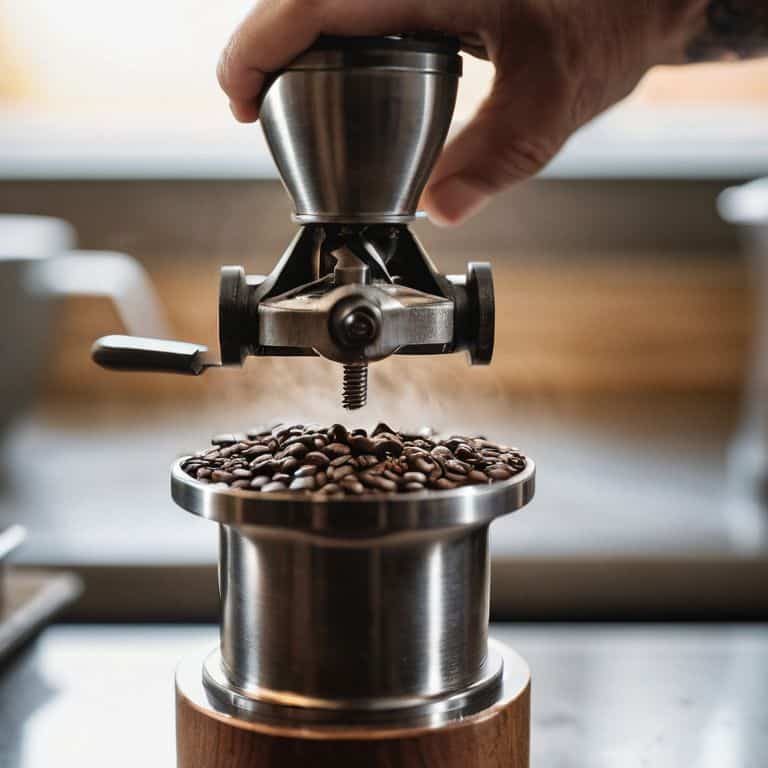
As I delve into the world of coffee grinder descaling, I realize that it’s not just about removing old coffee oils, but also about maintaining the perfect harmony between the grinder’s moving parts. To achieve this, I recommend establishing a grinder maintenance schedule, where you dedicate a few minutes each week to ensure your grinder is in top condition. This can be as simple as wiping down the exterior or checking the burrs for any blockages.
When it comes to cleaning coffee grinder burrs, I always stress the importance of using the right techniques and materials. A soft brush or a dedicated cleaning solution can work wonders in removing any residue or buildup. It’s also essential to understand the difference between a burr grinder vs blade grinder, as the former requires more attention and care to maintain its optimal performance.
By incorporating these habits into your daily routine, you’ll be able to unlock the full potential of your coffee grinder and enjoy a more refined brewing experience. Remember, a well-maintained grinder is the foundation of a perfect cup, and with the right approach, you can savor the nuances of flavor that your coffee has to offer. Whether you’re a seasoned barista or a home enthusiast, mastering grinder maintenance is an art that requires patience, dedication, and a passion for the craft.
Descaling for Optimal Flavor
As I delve deeper into the world of grinder maintenance, I want to stress the importance of descaling. This often-overlooked step is crucial for optimal flavor. You see, mineral buildup from water can affect the grind’s consistency, leading to an unbalanced extraction. I recommend descaling your grinder every 3-6 months, depending on usage.
To descale, mix equal parts water and white vinegar in the grinder’s hopper, then run it through a cycle. Repeat this process until the solution runs clean. This simple step will ensure your grinder remains in top condition, allowing you to focus on the art of crafting sublime extractions.
Purifying Burrs for Precision
To truly master grinder maintenance, it’s essential to purify the burrs, those critical components that dictate the grind size and consistency. I like to think of it as a mini-detox for your grinder – removing old coffee oils and residue that can affect the flavor. By soaking the burrs in a mixture of equal parts water and white vinegar, you’ll be able to break down any buildup and restore their original sharpness.
This simple step can make a significant difference in the quality of your grind, and subsequently, your brew. After soaking, rinse the burrs thoroughly and dry them with a soft cloth to prevent any water spots. Your grinder – and your taste buds – will thank you.
Elevate Your Grind: 5 Expert Tips for a Cleaner Coffee Grinder
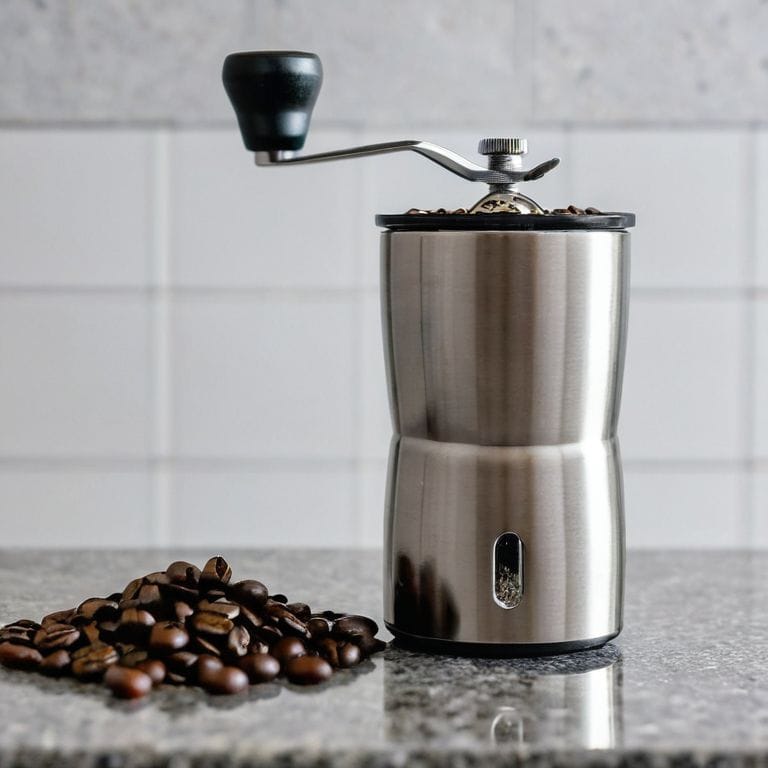
- Regularly cleaning your grinder’s exterior and interior with a soft brush and a dry cloth can prevent oil buildup and old coffee residue from affecting the flavor of your brew
- Use a mixture of equal parts water and white vinegar to descale your grinder every 3-6 months, ensuring the removal of any mineral deposits that can alter the taste of your coffee
- Purify your grinder’s burrs by running a small amount of uncooked rice through it, which will absorb any residual coffee oils and debris, allowing for a more precise grind
- Make it a habit to grind a small amount of coffee immediately after cleaning your grinder to remove any residual cleaning solution tastes and to re-season the burrs
- Store your coffee grinder in a dry, cool place, away from direct sunlight, and consider using a grinder cover to protect it from dust and other contaminants that can compromise the quality of your grind
Key Takeaways for a Pristine Grinder
Regular cleaning and descaling are crucial to prevent old coffee oils and mineral deposits from affecting the flavor of your freshly ground coffee
Purifying your grinder’s burrs is an often-overlooked step that can significantly impact the precision and consistency of your grind, leading to a more perfect extraction
By incorporating these maintenance habits into your coffee routine, you’ll be well on your way to unlocking the full potential of your coffee beans and brewing cafe-quality coffee in the comfort of your own home
The Grinder's Gateway to Greatness
A clean coffee grinder is not just a tool, it’s a canvas waiting for the brushstrokes of precision and passion – every speck of dust, every residue of yesterday’s brew, holds the power to either elevate or undermine the symphony of flavors you’re about to create.
Julian Vale
Conclusion: Elevating Your Brew
As we’ve journeyed through the process of cleaning your coffee grinder, it’s essential to reiterate the importance of regular maintenance. By following the steps outlined, from mastering grinder maintenance to descaling for optimal flavor and purifying burrs for precision, you’ve taken significant strides in ensuring your coffee grinder operates at its best. Remember, a clean grinder is the foundation of a perfect cup, and by committing to this ritual, you’re not just cleaning a machine – you’re elevating the entire coffee experience. This dedication to detail is what separates a good barista from a great one, and it’s this level of care that will make your brews truly stand out.
As you close this chapter on coffee grinder maintenance, I want to leave you with a final thought: the pursuit of the perfect cup is a journey, not a destination. It’s the culmination of precise measurements, a deep understanding of water chemistry, and yes, a meticulously clean coffee grinder. So, as you continue on your path to coffee mastery, remember that every detail, every decision, and every action is an opportunity to refine your craft. With this mindset, you’ll find that the art of brewing coffee transcends mere beverage preparation – it becomes an act of meditation, a celebration of the senses, and a testament to the human spirit’s capacity for precision, passion, and perfection.
Frequently Asked Questions
How often should I clean my coffee grinder to prevent old coffee oils from affecting the flavor of my brew?
For me, cleaning the grinder is a weekly ritual – every 7-10 days, depending on usage. This prevents old coffee oils from muddying the flavor of my brew. I recommend setting a reminder to ensure your grinder stays in top shape and your coffee remains vibrant and full of life.
Can I use the same cleaning solution for both my coffee grinder and espresso machine, or are there specific products I should use for each?
When it comes to cleaning solutions, I’m a firm believer in specificity. Don’t even think about using the same solution for both your grinder and espresso machine – it’s a recipe for flavor transfer and damage. Instead, opt for a food-safe grinder cleaner and a dedicated espresso machine descaler to ensure each device gets the tailored care it deserves.
What's the best way to dry my coffee grinder's burrs and other parts after cleaning to prevent rust and maintain optimal performance?
Drying is crucial to prevent rust. I use a soft, lint-free cloth to gently pat dry the burrs and other metal parts. For tighter spaces, a small, dry brush helps. Air drying is also an option, but I prefer a hairdryer on a low setting to speed up the process, ensuring my grinder is ready for its next use.