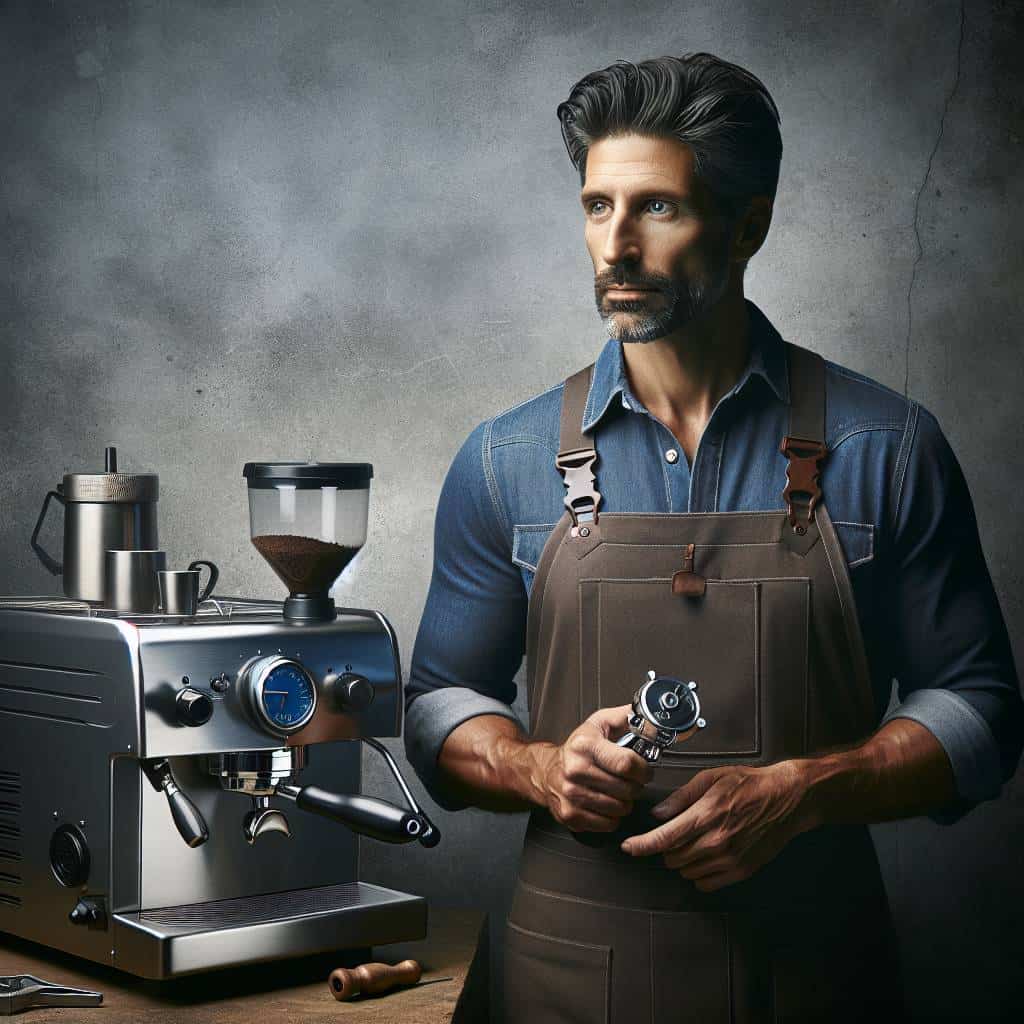
I still remember the day I set up my first home espresso bar – it was a game-changer for my daily coffee ritual. As a technician who’s spent years restoring and modifying high-end coffee equipment, I’ve seen my fair share of subpar setups. That’s why I’m excited to share my expertise with you in this guide to setting up an espresso bar at home. The truth is, most people think that creating an epic espresso experience is all about throwing money at fancy machines, but I’m here to tell you that’s just not the case.
In this article, I’ll cut through the hype and give you honest, practical advice on how to craft an espresso bar that’ll make your friends jealous. You’ll learn how to choose the right equipment, from grinders to brewers, and how to optimize your setup for the perfect shot every time. I’ll share my own experiences, including the mistakes I’ve made and the lessons I’ve learned, to help you avoid common pitfalls and create a truly exceptional home espresso bar. Whether you’re a coffee newbie or a seasoned aficionado, this guide to setting up an espresso bar at home will give you the tools and confidence you need to take your coffee game to the next level.
Table of Contents
Guide Overview: What You'll Need
Total Time: 2 hours 30 minutes
Estimated Cost: $100 – $300
Difficulty Level: Intermediate
Tools Required
- Coffee Machine (espresso or semi-automatic)
- Grinder (burr grinder recommended)
- Scale (for measuring coffee and water)
- Spoon and scoop (for handling coffee grounds)
- Milk frothing pitcher (stainless steel or glass)
- Thermometer (for monitoring water temperature)
- Water filter (optional, but recommended)
- Storage containers (for coffee beans, syrups, and other supplies)
Supplies & Materials
- Espresso beans (various flavors and roasts)
- Coffee syrups (optional, e.g., vanilla, hazelnut)
- Sugar and sweeteners (e.g., sugar, stevia, honey)
- Milk and creamers (dairy or non-dairy, e.g., almond milk)
- Cups and saucers (espresso-sized, approximately 2 ounces)
- Napkins and cleaning supplies (for spills and messes)
- Counter space (approximately 24 inches wide and 36 inches deep)
- Shelves or storage (for holding supplies and equipment, approximately 12 inches wide and 18 inches deep)
Step-by-Step Instructions
- 1. First, assess your space and determine the ideal location for your espresso bar. Consider the proximity to a water source, electrical outlets, and the overall flow of your kitchen or dining area. As a technician, I’ve seen many home espresso bars that are cramped or awkwardly laid out, which can make the entire experience more frustrating than enjoyable. Take your time, and think about how you want to interact with your equipment.
- 2. Next, evaluate your equipment needs and decide which machines and tools you require to achieve your desired level of coffee quality. This may include an espresso machine, grinder, scale, and brewing devices. As someone who’s passionate about build quality, I recommend investing in equipment that is not only functional but also durable and easy to maintain. Avoid cheap, flimsy machines that may save you money upfront but will ultimately lead to disappointment and waste.
- 3. Once you have your equipment, it’s time to optimize your grinder. I firmly believe that the grinder is the most critical component of any espresso setup, as it directly affects the flavor and quality of your coffee. Take the time to properly calibrate and adjust your grinder to ensure it’s producing the perfect grind for your espresso machine. This may involve experimenting with different grind settings, blade types, and cleaning schedules.
- 4. With your grinder dialed in, move on to configuring your espresso machine. This involves understanding the machine’s settings, such as temperature, pressure, and brewing time. Don’t be afraid to consult the manual or online resources to ensure you’re getting the most out of your machine. I’ve found that many people overlook the importance of properly priming and maintaining their espresso machine, which can lead to subpar performance and a shorter lifespan.
- 5. Now it’s time to set up your brewing station. This includes arranging your equipment in a logical and efficient manner, as well as investing in any additional tools or accessories you may need, such as a tamper, distribution tool, or knock box. Consider the ergonomics of your setup and how you can minimize wasted movement and effort. As someone who’s worked on countless espresso machines, I can attest to the importance of a well-designed brewing station in reducing stress and improving overall coffee quality.
- 6. As you begin to use your espresso bar, develop a maintenance routine to ensure your equipment continues to perform at its best. This includes regular cleaning, descaling, and lubrication of moving parts. I recommend setting aside time each week to perform these tasks, as well as scheduling more extensive maintenance sessions every few months. By staying on top of maintenance, you’ll be able to enjoy your espresso bar for years to come and avoid costly repairs or replacements.
- 7. Finally, experiment and refine your espresso bar setup over time. As you become more comfortable with your equipment and develop your skills, you may find that you need to make adjustments to your grinder, espresso machine, or brewing technique. Don’t be afraid to try new things and push the boundaries of what’s possible with your equipment. With patience, practice, and a commitment to quality, you’ll be well on your way to creating a truly exceptional home espresso bar.
A Guide to Setting Up
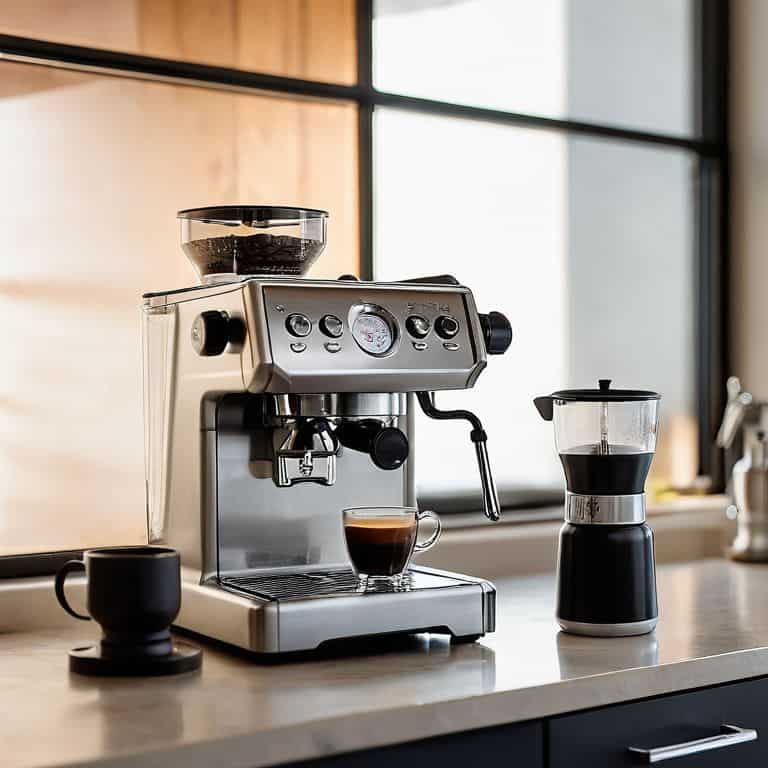
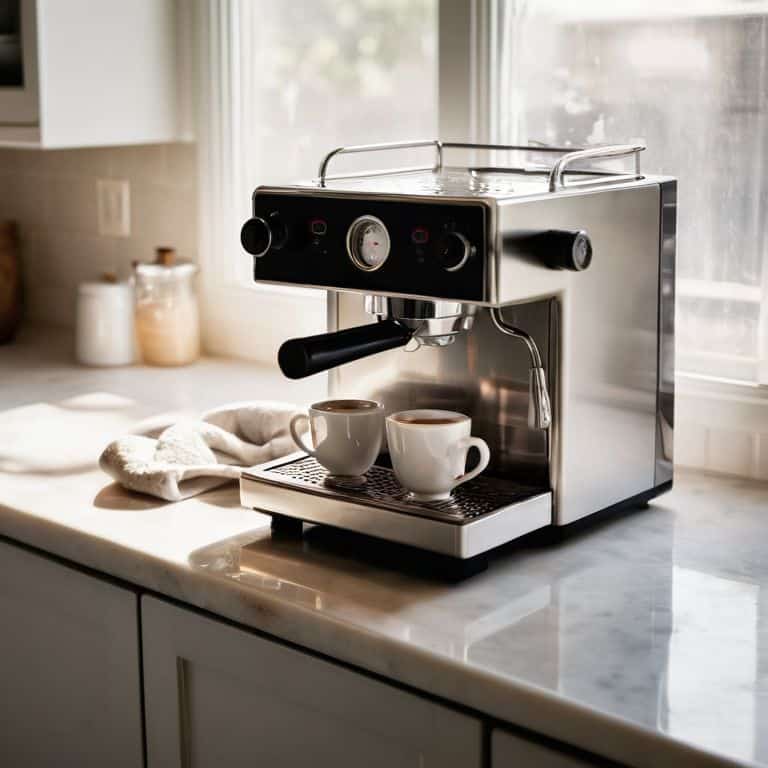
When it comes to creating a home espresso station, it’s essential to consider the layout and workflow of your space. I like to think of it as a well-orchestrated dance between your espresso machine, grinder, and other barista tools. To ensure a smooth operation, place your machine in a central location, with easy access to your grinder and coffee beans. This will help you develop a consistent routine and make the most of your equipment.
As you start to use your espresso machine, keep in mind the importance of espresso machine maintenance tips. Regular cleaning and descaling will help prevent any buildup and ensure your machine continues to perform at its best. I also recommend investing in a good coffee bean storage container to maintain coffee bean storage and freshness. This will help preserve the flavor and aroma of your beans, resulting in a better-tasting shot every time.
In terms of designing your space, consider the overall aesthetic you want to achieve with your small home coffee bar. Think about the materials, colors, and textures that will complement your equipment and create a warm, inviting atmosphere. With a little creativity, you can craft a space that’s not only functional but also beautiful, making your daily coffee ritual a true pleasure.
Creating a Home Espresso Station
When crafting your home espresso station, consider the workflow. I always say, a well-designed station is all about ergonomics and efficiency. Think about the path your beans will take from grinder to brew. For me, it’s all about creating a seamless experience that lets you focus on the craft of coffee-making. A good rule of thumb is to position your grinder, scale, and machine in a logical sequence, minimizing unnecessary movement.
I like to think of it as a culinary workstation, where every component has its place and purpose. By doing so, you’ll not only save time but also develop a deeper appreciation for the process. As someone who’s spent years restoring vintage grinders, I can tell you that the right setup can make all the difference in the world.
Designing a Small Home Coffee Bar
When designing a small home coffee bar, every inch counts. I always tell my clients to start by assessing the space they have available – consider the countertops, cabinets, and any obstacles like windows or doorways. Think about the workflow you want to create: where will you place your grinder, espresso machine, and brew station? For me, the key is to create a logical sequence of operations, with each component positioned to minimize clutter and maximize efficiency.
In my own workshop, I’ve seen how a well-designed coffee bar can elevate the entire coffee-making experience. By choosing compact, high-quality equipment and carefully planning the layout, you can create a coffee bar that’s both functional and beautiful, even in the smallest of spaces.
Crafting the Perfect Brew: 5 Tips for a Killer Home Espresso Bar
- Choose Your Grinder Wisely: I always say, a good grinder is more important than the espresso machine itself – invest in a high-quality burr grinder that will give you the perfect grind every time
- Select Equipment That’s Built to Last: As a technician, I’ve seen my fair share of flimsy, mass-produced machines – opt for equipment with high-quality materials and a reputation for durability
- Design with Ergonomics in Mind: Your home espresso bar should be a pleasure to use, not a frustrating experience – consider the workflow and layout to ensure a seamless brewing process
- Pay Attention to Scale and Proportion: A cluttered, cramped espresso bar is a recipe for disaster – make sure each component has its own dedicated space and the overall design feels balanced and harmonious
- Don’t Overlook the Importance of Maintenance: A well-maintained espresso bar is a happy espresso bar – regularly clean and descale your equipment, and don’t be afraid to get your hands dirty with repairs and upgrades
Key Takeaways for Your Home Espresso Bar
Invest in a high-quality grinder, as it’s the backbone of a great espresso setup – I always say, a good grinder is more important than the espresso machine itself
Choose equipment that’s built to last, with materials and engineering that can withstand the test of time – I look for machines that are easy to repair and maintain, a true sign of great design
Design your espresso bar with functionality and workflow in mind, considering the placement of each component to create a seamless and enjoyable brewing experience – think of it as a ritual, not just a routine
The Heart of the Matter
A true home espresso bar isn’t just about the machines, it’s about the marriage of form and function, where every component, every material, and every detail is a testament to the passion for the perfect cup.
Simon Adler
Crafting the Perfect Brew
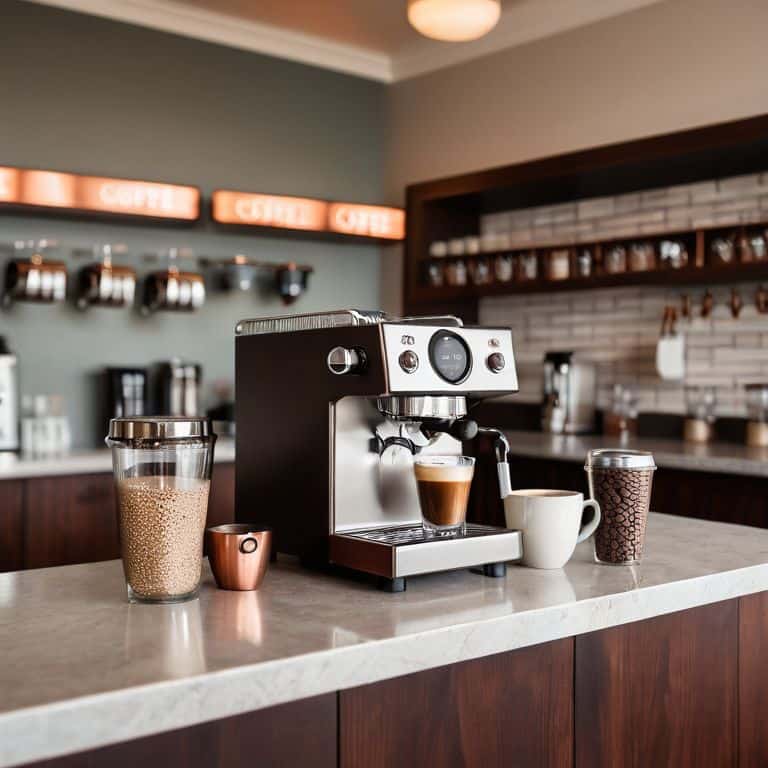
As we conclude this journey to setting up an espresso bar at home, let’s recap the essential elements that will elevate your coffee game. From designing a small home coffee bar that maximizes space and efficiency, to creating a home espresso station that’s both functional and aesthetically pleasing, every detail matters. It’s about striking a balance between form and function, ensuring that your equipment is not just beautiful but also built to last. By focusing on high-quality materials and intelligent design, you’ll be well on your way to crafting an exceptional coffee experience.
As you embark on this coffee journey, remember that the true magic happens when you combine passion and precision. Don’t be afraid to experiment, to try new roasts, and to tweak your techniques until you find the perfect brew. With patience, practice, and a deep appreciation for the art of coffee-making, you’ll be able to create a home espresso bar that’s not just a reflection of your personal style but also a testament to the power of great engineering. So go ahead, take the first sip, and savor the fruits of your labor – you’ve earned it.
Frequently Asked Questions
What are the essential machines and equipment I need to invest in for a basic home espresso bar?
For a basic home espresso bar, you’ll need an espresso machine, a grinder, and a scale. I always say the grinder is the most crucial piece – it sets the foundation for a great shot. Look for a machine with a solid build, like a heat exchanger or dual boiler, and a burr grinder that’s easy to calibrate and clean.
How do I optimize the layout and design of my home espresso bar to ensure a smooth and efficient workflow?
To optimize your home espresso bar’s layout, consider the workflow from bean to cup. Position your grinder near the entrance to minimize clutter, and place your espresso machine centrally for easy access. Group related tools, like tamping and steaming equipment, nearby to streamline your process. This thoughtful design will enhance your overall brewing experience.
What are some common mistakes to avoid when setting up a home espresso bar, and how can I troubleshoot common issues with my equipment?
When setting up your home espresso bar, beware of insufficient grinder maintenance and improper machine calibration. Common issues like channeling or over-extraction can often be traced back to these oversights. To troubleshoot, listen to your machine’s sounds – a well-tuned grinder and espresso machine should hum smoothly, not screech or stutter.