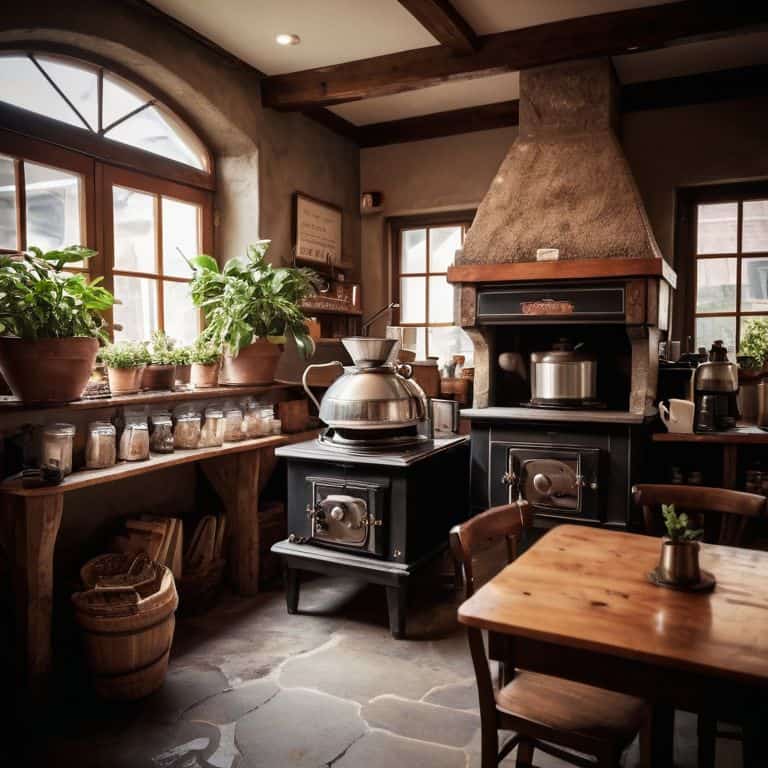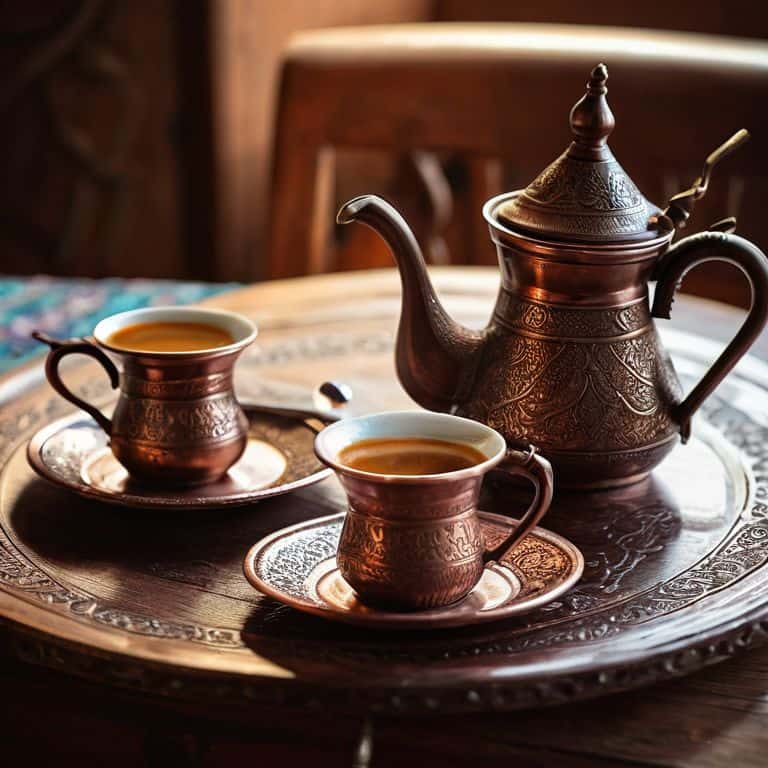
As I sat in the oldest coffee shop in Istanbul, surrounded by the whispers of centuries past, I couldn’t help but think about the common myths surrounding how to serve Turkish coffee correctly. So many of us have been led to believe that it’s all about the elaborate ceremony, the ornate equipment, and the precise measurements. But, as I’ve discovered through my research and personal experiences, the true essence of Turkish coffee lies not in the pomp and circumstance, but in the simple, intimate moments shared between friends and strangers alike.
In this article, I promise to guide you through the honest, no-frills process of serving Turkish coffee like a true native. You’ll learn the essential steps to prepare this beloved beverage, from the finest coffee beans to the perfect balance of sugar and spice. I’ll share with you my personal anecdotes, gathered from years of traveling and researching the rich history of Turkish coffee, to help you understand the cultural significance behind this ancient ritual. By the end of this journey, you’ll be equipped with the knowledge to serve Turkish coffee correctly, and to appreciate the beautiful, timeless tradition that it represents.
Table of Contents
Guide Overview: What You'll Need

Total Time: 15 minutes
Estimated Cost: $10 – $20
Difficulty Level: Easy
Tools Required
- Turkish Coffee Pot (also known as an ibrik or cezve)
- Coffee Grinder (for freshly grinding the coffee beans)
- Spoon (for measuring and stirring)
- Sugar Bowl (for serving sugar on the side)
- Small Cups (traditionally 2-3 ounces in size)
Supplies & Materials
- Turkish Coffee (finely ground coffee beans)
- Cold Water (for brewing the coffee)
- Sugar (optional, for serving)
- Cardamom (optional, for added flavor)
Step-by-Step Instructions
- 1. First, let’s start with the finest ingredients, as Turkish coffee is known for its rich flavor and aroma. You’ll need to select a high-quality coffee bean, preferably from a reputable roaster, and have it finely ground to a powder using a traditional Turkish coffee grinder or a spice grinder. I still remember the first time I smelled the aroma of freshly ground coffee in a small café in Istanbul – it was intoxicating.
- 2. Next, prepare your Turkish coffee pot, also known as an ibrik or cezve, by rinsing it with cold water to ensure it’s clean and free of any residual flavors. This step might seem trivial, but trust me, it’s essential for bringing out the full flavor of your coffee. As I always say, the devil is in the details, and when it comes to Turkish coffee, every step counts.
- 3. Now it’s time to measure out the right amount of coffee for your brew. Traditionally, Turkish coffee is made with one heaping teaspoon of coffee for every 3.5 ounces of water. So, for a standard 6-ounce serving, you’ll need about two heaping teaspoons of coffee. Don’t be afraid to experiment with ratios to find your perfect balance, but this is a good starting point.
- 4. With your coffee measured, add it to the Turkish coffee pot, followed by cold water. The water level should be below the neck of the pot, leaving about an inch at the top. Stir the mixture gently to combine, making sure all the coffee is saturated with water. As you wait for the coffee to brew, take a moment to appreciate the simple, yet elegant design of the Turkish coffee pot – a true testament to the craftsmanship of the Ottoman Empire.
- 5. Place the Turkish coffee pot over low to medium heat and wait for the coffee to start brewing. You’ll know it’s ready when it begins to foam and rise, which should take about 5-7 minutes. Be careful not to let it boil over, as this can result in a bitter taste. I recall a time when I was so caught up in conversation at a café that I forgot to monitor the heat, and my coffee ended up boiling over – it was a valuable lesson in multitasking.
- 6. Once the coffee has brewed, remove it from the heat source and let it sit for about 30 seconds to allow the grounds to settle at the bottom of the pot. This step is crucial, as it ensures a smooth, sediment-free coffee experience. As you wait, consider the rich history behind Turkish coffee and its significance in Ottoman culture – it’s a fascinating story that spans centuries.
- 7. Finally, pour the Turkish coffee into small cups, being careful not to disturb the grounds at the bottom of the pot. Traditionally, Turkish coffee is served in delicate, ornate cups, which add to the overall experience. As you take your first sip, remember that Turkish coffee is not just about the coffee itself, but about the warm, inviting atmosphere and the company you share it with – so take your time, and savor the moment.
Serving Turkish Coffee Correctly

As I sit in the historic cafes of Istanbul, I’ve noticed that traditional Turkish coffee serving methods are an art form in themselves. The delicate balance of coffee to water ratio is crucial, and I’ve found that the ideal blend is achieved when the coffee is finely ground, almost to a powder. This allows for the perfect extraction of flavors when the water is added. I recall a particular afternoon in a quaint cafe, where the barista carefully measured out the coffee, emphasizing the importance of using high-quality beans to bring out the distinct flavors of Turkish coffee.
When it comes to sweetening the coffee, I’ve observed that types of sugar used in Turkish coffee can vary greatly. Some prefer the traditional cube sugar, while others opt for a more modern alternative. However, it’s essential to note that the sugar should be added during the brewing process, not after, to allow the flavors to meld together harmoniously. As I watched the barista expertly brew the coffee, I couldn’t help but notice the Turkish coffee cup sizes and shapes, which are designed to enhance the overall experience.
In my travels, I’ve encountered several common mistakes when serving Turkish coffee, including using coarsely ground coffee or inadequate water temperature. To avoid these pitfalls, it’s essential to invest in a proper Turkish coffee grinder and to heat the water to the ideal temperature. By doing so, you’ll be able to unlock the full potential of this ancient brew, and as you sip your perfectly crafted Turkish coffee, you’ll understand why it’s a tradition that has been cherished for centuries. As I always say, the key to a great cup of coffee lies in the authentic Turkish coffee grinding techniques, which require patience, attention to detail, and a deep appreciation for the craft.
Authentic Grinding Techniques and Sugar
As I sit in Istanbul’s oldest coffee shops, I’ve watched the masters at work, their hands moving with precision as they grind the coffee beans. The grind, you see, is an art form – too fine and it’s like dust, too coarse and it’s like pebbles. The ideal grind is one that’s been perfected over centuries, a delicate balance that releases the full flavor of the coffee. And then, of course, there’s the sugar – or rather, the lack thereof. Traditional Turkish coffee is served without sugar, allowing the drinker to fully appreciate the rich, bold flavors of the coffee.
Unveiling Traditional Turkish Coffee Serving
As I sit in Istanbul’s oldest coffee shops, I’m transported to a world where tradition and hospitality entwine. Unveiling traditional Turkish coffee serving is an art form that requires attention to detail and a deep understanding of the culture. The delicate cups, adorned with intricate designs, are filled to the brim with the rich, dark brew, and served with a side of sugar cubes and a glass of water. It’s a ritual that’s been perfected over centuries, and one that I’ve had the privilege of experiencing firsthand.
In these historic cafes, I’ve witnessed the serving of Turkish coffee become a sensory experience, with the aroma of freshly ground beans and the soft clinking of cups against saucers creating a symphony of sounds and scents. As the coffee is poured, the host’s hands move with a deliberate slowness, as if savoring the moment, and inviting all to partake in the ancient ritual.
Steeping in Tradition: 5 Essential Tips for Serving Turkish Coffee
- Use finely ground coffee beans, freshly grind them in a traditional Turkish grinder to release the optimal amount of oils and flavor
- Heat the water to the perfect temperature, between 195°F and 205°F, to bring out the full richness of the coffee
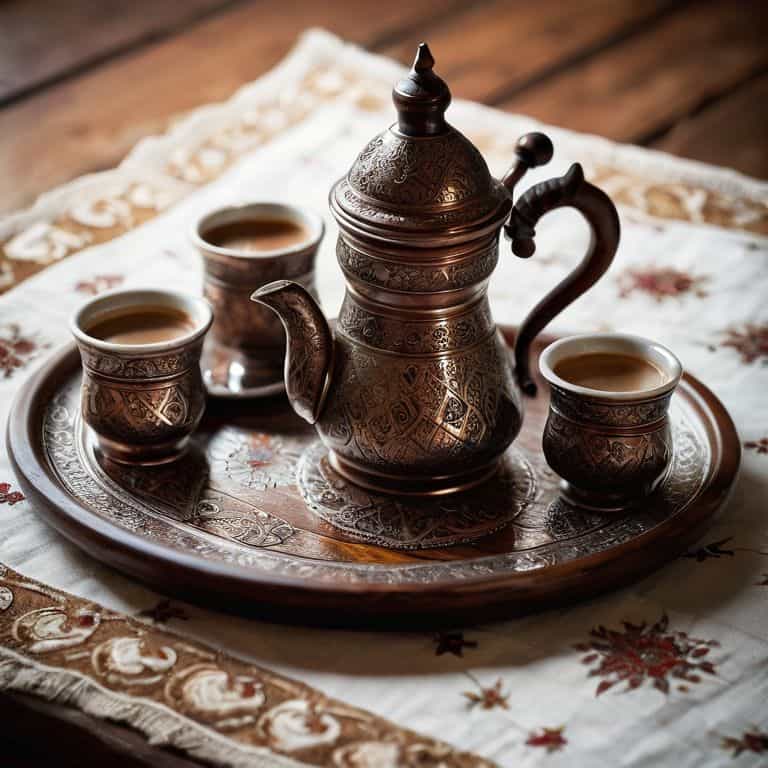
- Serve the coffee in small, delicate cups called demitasses, which are typically made of ceramic or copper, to enhance the sensory experience
- Offer a selection of traditional Turkish delights, such as baklava or lokum, to pair with the coffee and add an extra layer of cultural authenticity
- Take the time to engage with your guests, fostering conversation and community, as the true spirit of Turkish coffee lies not just in the brew, but in the connections it helps to create
Essential Insights for the Perfect Brew
As I sat in the historic cafes of Istanbul, I discovered that serving Turkish coffee is not just about the technicalities, but about creating an experience that awakens the senses and fosters meaningful connections
The traditional method of grinding and preparing Turkish coffee, as I’ve learned from the masters, involves a delicate balance of flavors and textures that can elevate the entire experience, from the aroma to the final sip
Whether you’re a seasoned coffee connoisseur or just beginning to explore the rich world of Turkish coffee, remembering that the beauty of this tradition lies in its ability to bring people together, one exquisite cup at a time, is essential to truly appreciating its significance
The Art of Serving Turkish Coffee
To serve Turkish coffee correctly is to weave a tale of tradition, community, and warmth, where every delicate cup is a testament to the beauty of slowing down and savoring the moment, just as the Istanbul natives have done for centuries in the cozy, historic cafes that line the Bosphorus.
Isabella Marino
A Cup of Tradition: Conclusion
As I reflect on the art of serving Turkish coffee correctly, I am reminded of the intricate details that make this tradition so rich and vibrant. From the finely ground coffee to the delicate balance of sugar, every step in the process is a testament to the cultural heritage of Turkey. By following the traditional methods of grinding, brewing, and serving, we can experience the authentic flavors and aromas of Turkish coffee, just as the locals do. Whether you’re a seasoned coffee connoisseur or just discovering the joys of Turkish coffee, I hope this guide has inspired you to explore the historical significance and cultural nuances behind this beloved beverage.
As you embark on your own journey to master the art of serving Turkish coffee, remember that it’s not just about the coffee itself, but about the human connection it fosters. The traditional Turkish coffeehouses, with their warm atmosphere and lively conversations, are a testament to the power of coffee to bring people together. So, the next time you brew a cup of Turkish coffee, take a moment to appreciate the timeless traditions and cultural heritage that go into every sip, and may it inspire you to create your own meaningful connections with others, one cup at a time.
Frequently Asked Questions
What is the ideal water temperature for brewing Turkish coffee?
The ideal water temperature for brewing Turkish coffee, my friend, is between 195°F and 205°F. I recall a charming encounter in Istanbul’s oldest coffee shop, where the barista swore by this precise range to bring out the delicate flavors and aromas of the finely ground beans.
How much sugar is traditionally added to Turkish coffee, and is it ever served unsweetened?
In traditional Turkish coffee, about one to two teaspoons of sugar are added per cup, but it’s not uncommon to see it served unsweetened, especially in more modern cafes. I recall a charming little shop in Istanbul where the owner would say, “Sugar is for the coffee, but the coffee is also for the soul” – a nod to the traditional approach of balancing sweetness with the bold, rich flavor.
Are there any specific rules or etiquette for serving and drinking Turkish coffee in a social setting?
In social settings, it’s customary to serve Turkish coffee in delicate cups, garnished with a sugar cube and a glass of water. As the host, I’d offer the coffee with the right hand, as a sign of respect. Guests should wait for the host to invite them to drink, and it’s polite to sip, not gulp, savoring the experience and the company.