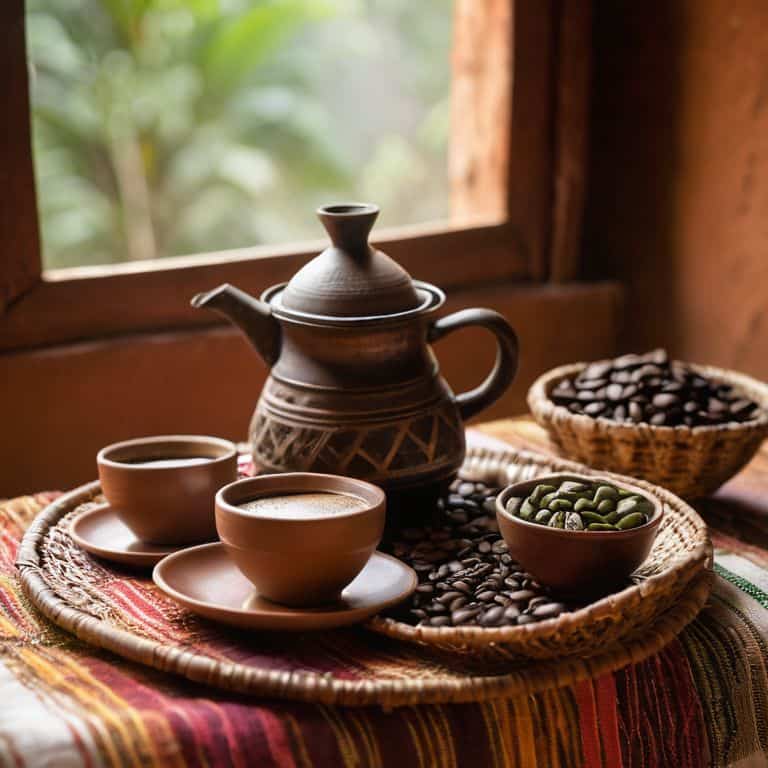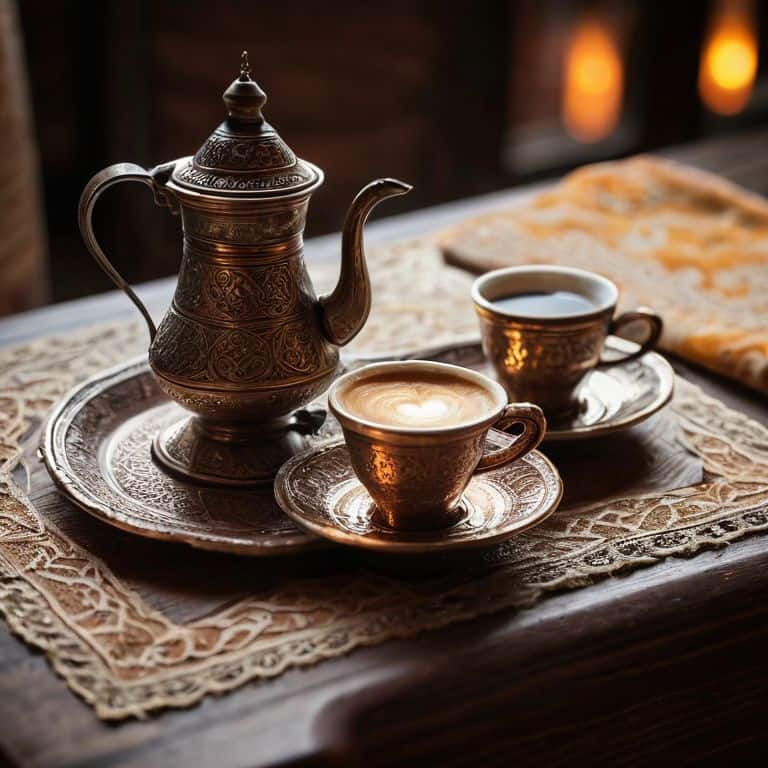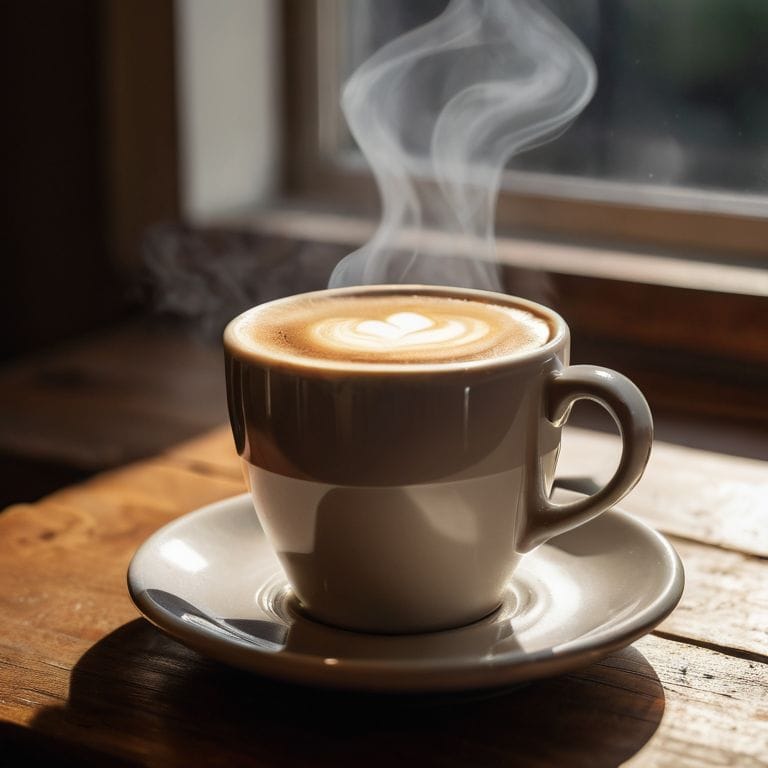
As I sit in this quaint, centuries-old Viennese coffeehouse, surrounded by the whispers of history and the aroma of expertly brewed coffee, I am reminded of the age-old struggle to put into words the essence of a perfect cup. Learning how to describe coffee flavor like a pro is not just about mastering a set of standardized vocabulary; it’s about capturing the nuances that make each sip a unique experience. I recall my early days as a food anthropologist, struggling to articulate the complexities of coffee flavors, only to realize that the true art lies not in the words, but in the sensations and memories they evoke.
In this guide, I promise to share with you the practical insights and personal anecdotes that have helped me and countless others to describe coffee flavor with precision and passion. You’ll learn how to move beyond generic terms and uncover the hidden notes in your cup, just as a connoisseur would. By the end of this journey, you’ll be equipped with the knowledge and confidence to eloquently express your coffee experiences, whether you’re a casual enthusiast or a seasoned aficionado. So, let’s embark on this sensory adventure together, and discover the rich world of coffee flavors that awaits us.
Table of Contents
- Guide Overview: What You'll Need
- Step-by-Step Instructions
- How to Describe Coffee Flavor Like a Pro
- Savoring the Flavors: 5 Tips to Describe Coffee Like a Connoisseur
- Key Takeaways: Unlocking the Flavors of Coffee
- The Art of Description
- Embracing the Art of Coffee Flavor Description
- Frequently Asked Questions
Guide Overview: What You'll Need
Total Time: 1 hour 15 minutes
Estimated Cost: $0 – $10
Difficulty Level: Easy
Tools Required
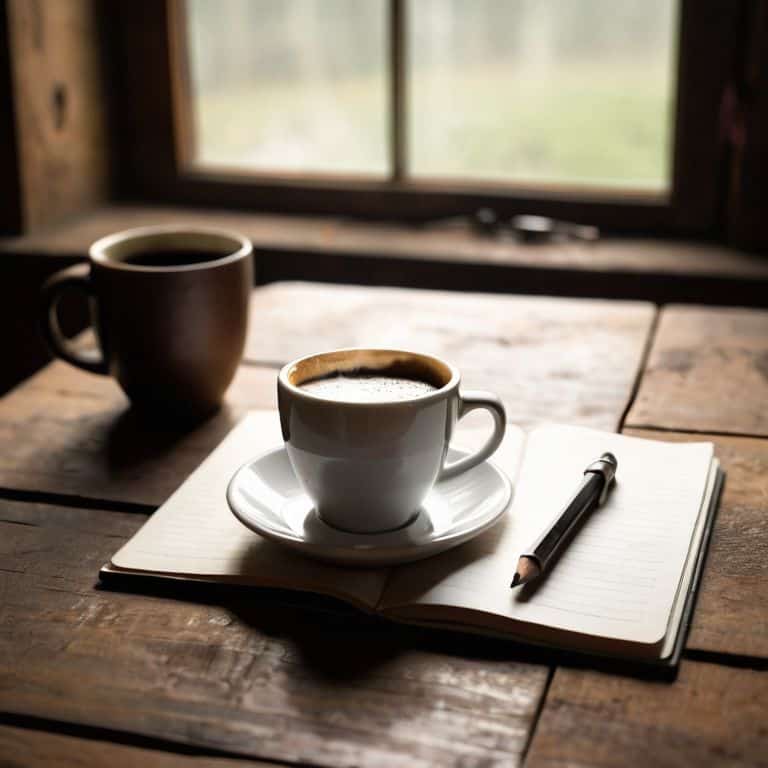
- Notebook (for taking notes)
- Pencil (for writing)
- Coffee Cup (for tasting coffee)
Supplies & Materials
- Coffee Samples (various flavors)
- Flavor Wheel (for reference)
- Water (for palate cleansing)
Step-by-Step Instructions
- 1. First, do this: start by slowing down and truly experiencing your coffee. Don’t just gulp it down; savor the aroma, the texture, and the flavors. As someone who’s spent years researching the social role of coffee in different cultures, I can tell you that the key to describing coffee flavor like a pro is to be fully present in the moment. Take a moment to appreciate the _rich history_ behind your cup, from the farmers who grew the beans to the roasters who coaxed out the unique flavors.
- 2. Next, train your senses by paying attention to the coffee’s aroma. Smell the coffee beans, the grounds, and the brewed coffee. Notice how the aroma changes at different stages. This will help you develop your sense of smell and improve your ability to describe the coffee’s flavor profile. I like to think of it as _uncovering the hidden notes_ in a great piece of music – you have to listen carefully to appreciate the full harmony.
- 3. Now, take a sip of your coffee and let it linger on your palate. Don’t swallow right away; instead, let the coffee sit in your mouth for a few seconds. This will allow the flavors to unfold and give you a chance to experience the coffee’s _body and texture_. Notice how the coffee feels in your mouth – is it smooth, silky, or perhaps a bit gritty?
- 4. As you sip your coffee, start to identify the flavor profiles. Are there notes of chocolate, caramel, or fruit? Does the coffee taste bright and acidic or smooth and balanced? Try to _pinpoint the flavors_ that you’re experiencing and think about how they work together to create the overall taste of the coffee. I find that it’s helpful to think of flavor profiles like _characters in a story_ – each one has its own unique personality and role to play.
- 5. Once you’ve identified the flavor profiles, consider the coffee’s acidity. Is it bright and snappy or smooth and mellow? Acidity can greatly impact the overall taste of the coffee, so it’s essential to _get a sense of the coffee’s balance_. Think of acidity like the _rhythm section_ in a band – it provides the foundation and helps to drive the music forward.
- 6. Next, think about the coffee’s finish. How long do the flavors last after you’ve swallowed? Does the coffee leave a pleasant aftertaste or a bitter linger? The finish can be a great indicator of the coffee’s _overall quality_ and can help you to _distinguish between different roasts_ and brewing methods. I like to think of the finish as the _final act_ in a play – it’s the last impression that the coffee leaves on your palate.
- 7. Finally, practice, practice, practice! The more you taste and describe coffee, the more comfortable you’ll become with the _flavor vocabulary_ and the better you’ll be at pinpointing the unique characteristics of each coffee. Don’t be afraid to _experiment with different brewing methods_ and roasts – it’s all part of the journey to becoming a coffee connoisseur. And remember, the goal is to _have fun and enjoy the process_ – after all, describing coffee flavor is like _telling a story_ that’s uniquely your own.
How to Describe Coffee Flavor Like a Pro
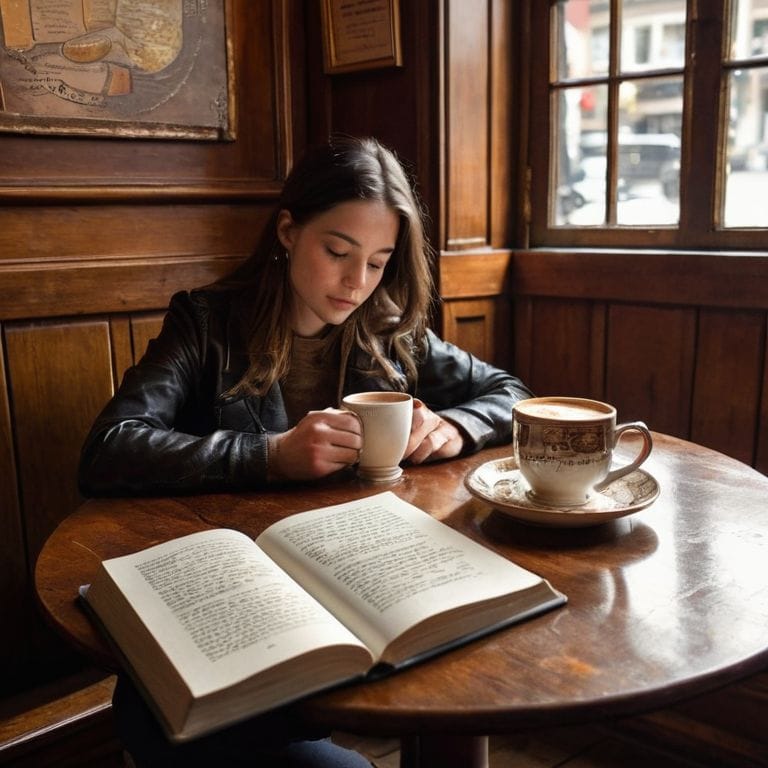
As I sit in my favorite historic cafe, surrounded by the whispers of centuries past, I am reminded that mastering the art of coffee flavor profiling requires patience and dedication. To truly uncover the nuances of a coffee’s flavor, one must be willing to explore the coffee flavor wheel, navigating its complex landscape of notes and hints. It’s a journey that requires attention to detail, a willingness to experiment, and a passion for the craft.
In my research, I’ve found that understanding coffee body and texture is essential to describing its flavor. The way a coffee feels in the mouth, its acidity scale, and its overall texture all contribute to its unique character. By developing a keen sense of these elements, one can begin to build a rich vocabulary of coffee aroma descriptors, from the bright, snappy notes of a Kenyan coffee to the deep, chocolatey tones of a Brazilian.
As I ponder the art of coffee flavor profiling, I am drawn to the idea that it’s not just about the coffee itself, but about the experience it evokes. The advanced coffee tasting methods I’ve learned over the years have allowed me to tap into the emotional resonance of a perfectly crafted cup, to capture the essence of a moment in time. And it’s this, I believe, that is the true key to describing coffee flavor like a connoisseur – not just noting the technical details, but conveying the sense of wonder and connection that a great cup of coffee can inspire.
Mastering Coffee Aroma Descriptors and Flavor Wheels
As I sit in my favorite café, surrounded by the aroma of freshly brewed coffee, I’m reminded of the importance of mastering coffee aroma descriptors. It’s a sensory experience that transports me to a world of rich flavors and textures. To describe coffee like a pro, one must develop a vocabulary that captures the nuances of aroma, from floral to chocolatey notes. I recall a particularly memorable cup in a small Vienna café, where the scent of toasted almonds wafted up, inviting me to take a sip.
By utilizing flavor wheels, we can pinpoint specific characteristics, such as fruity or nutty undertones, and elevate our descriptions from generic to captivating. As a food historian, I’ve found that these tools help to uncover the hidden notes in each cup, allowing us to appreciate the craftsmanship that goes into every brew.
Uncovering Coffee Flavor Profiling Techniques
Uncovering Coffee Flavor Profiling Techniques
As I sit in my favorite Viennese café, surrounded by the whispers of centuries past, I’m reminded that describing coffee flavor is an art that requires patience and practice. To truly capture the essence of a cup, one must develop a sensory vocabulary that transcends mere words. I recall my days as a graduate student, pouring over dusty tomes in the university library, uncovering the secrets of coffee’s rich history. The nuances of flavor, the subtleties of aroma – all waited to be deciphered, like the lines of a well-loved poem.
By slowing down and savoring each sip, we can begin to uncover the hidden notes that make a cup truly special. Whether it’s the bright acidity of an Ethiopian Yirgacheffe or the smooth, chocolatey undertones of a Brazilian Santos, each coffee has a story to tell – and it’s up to us to listen.
Savoring the Flavors: 5 Tips to Describe Coffee Like a Connoisseur
- Let the coffee come to you: allow the aromas to waft up and greet your senses before taking a sip, just as a perfumer would with a new fragrance
- Note the weight of the coffee on your palate: is it light and tea-like, or rich and velvety, like a warm summer evening?
- Pay homage to the flavor wheel: understand the nuances of acidity, sweetness, and bitterness, and how they dance together in perfect harmony
- Consider the finish: does the coffee linger on your palate like a gentle goodbye, or does it disappear like a fleeting whisper, leaving you wanting more?
- Practice, practice, practice: the more you taste and describe coffee, the more your senses will come alive, and the more you’ll uncover the hidden notes and subtleties that make each cup a unique experience
Key Takeaways: Unlocking the Flavors of Coffee
As we sip our coffee, we’re not just tasting the brew, we’re experiencing the culmination of centuries of tradition, cultural exchange, and human connection – and learning to describe it like a pro means tapping into that rich history
By mastering coffee aroma descriptors and flavor wheels, we can elevate our appreciation for the nuances of each cup, from the fruity notes of Ethiopian Yirgacheffe to the smoky depths of a Turkish roast, and share that passion with others
Ultimately, describing coffee flavor like a connoisseur is a journey of discovery – one that requires patience, practice, and a willingness to explore the hidden notes and stories that make every cup a unique and unforgettable experience
The Art of Description
To describe coffee flavor like a pro, one must first listen to the whispers of the bean, for in its nuances and complexities lies a world of stories waiting to be unveiled, much like the gentle unfolding of a lover’s letter.
Isabella Marino
Embracing the Art of Coffee Flavor Description

As we conclude our journey to describe coffee flavor like a pro, let’s recap the essential steps: mastering coffee aroma descriptors, utilizing flavor wheels, and embracing the nuances of each brew. By combining these techniques, you’ll be well on your way to elevating your coffee experience and appreciating the rich flavors that each cup has to offer. Whether you’re a casual coffee enthusiast or a seasoned connoisseur, the art of describing coffee flavor is a skill that takes time and practice to develop, but the rewards are well worth the effort.
As you continue to explore the world of coffee, remember that the true beauty of this beloved beverage lies not just in its flavor, but in the stories and connections it fosters. So, the next time you sip your favorite brew, take a moment to savor the experience, to appreciate the craftsmanship and passion that goes into creating each cup, and to cherish the memories and moments that coffee helps to create. In doing so, you’ll not only become a more discerning coffee lover, but also a part of the vibrant, global community that celebrates the joy and richness of coffee.
Frequently Asked Questions
What are some common mistakes to avoid when trying to describe the flavor of a coffee?
The pitfalls of describing coffee flavor. I’ve seen many a novice fall into the trap of using vague terms like “strong” or “bitter.” To truly capture the essence of a coffee, one must delve deeper, considering the nuances of acidity, body, and notes of fruit or chocolate. Avoid generic descriptors and instead, try to uncover the unique character of each brew.
How can I develop my sense of smell to better identify coffee aromas?
To develop your sense of smell, try incorporating sensory exercises into your daily routine, like identifying scents in nature or cooking. When it comes to coffee, start by smelling different beans, noting the nuances. As I always say, “the nose knows,” and with practice, you’ll become more attuned to the subtle aromas that make each cup unique.
Are there any universal flavor profiles that can be applied to all types of coffee, or does it vary by region and roast level?
While regional and roast-level variations exist, some universal flavor profiles do emerge. Notes of chocolate, caramel, and fruit are common across many coffee types, but nuances like earthy or floral hints often depend on the region and roast. As a food historian, I’ve found that understanding these subtleties can elevate your coffee appreciation.